Editorials


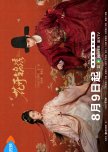
The Road to Splendor and The Prisoner of Beauty share a striking resemblance primarily because they are crafted by the exact same creative duo, director Deng Ke and screenwriter Nan Zhen, which gives both dramas an identical cinematic tone, grand visual style, and fast-paced narrative rhythm. Beyond production design, the two series perfectly mirror each other in character dynamics and tropes; both showcase a highly intelligent, strategic heroine who refuses to be a damsel in distress, paired with a rough, gray-shaded male lead—a battle-hardened general in one and a street-smart salt smuggler in the other. Ultimately, both stories thrive on high-stakes, forced survival alliances that beautifully develop into intense, 'us-against-the-world' power-couple romances."

IDK WHY, BUT THIS TWO MASTERPIECE IS LITERALLY ATE, THE FL IS VERY CUNNING AND BADDIES. (and I think the plot of both dramas indirectly feels almost same)
The Biggest Similarities
1. Enemies-to-Lovers
• Both stories begin with the protagonists on opposing sides of a political conflict.
• Neither fully trusts the other, creating constant tension and mind games.
2. Family Revenge
• In both stories, the male lead is driven by a long-standing family vendetta.
• Revenge is one of his primary motivations before love gradually changes his priorities.
3. Political Marriage / Alliance Vibes
• Both relationships are rooted in political circumstances rather than romance.
• Duty, alliances, and family interests bring the leads together before genuine love develops.
4. Strong Female Lead
• Murong Jun is intelligent, composed, and devoted to protecting the Great Ye dynasty.
• The heroine in *The Prisoner of Beauty* is likewise clever, politically astute, and capable of matching the male lead.
5. Power Couple
• Both leads are strategic thinkers who challenge and complement each other.
• Rather than one saving the other, they become stronger by working together toward a common goal.
6. Court Intrigue
• Both stories revolve around emperors, noble families, military power, succession struggles, political conspiracies, and shifting alliances.

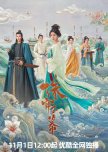
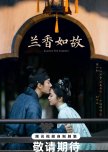
If you loved Against the Current for its wise, composed FL who navigates difficult situations through intelligence, diplomacy and understanding rather than power, I highly recommend The Prisoner of Beauty. The FL has that same rare kind of strength—she may be delicate, but she is never powerless. She observes, understands, adapts, and knows exactly when words can accomplish more than weapons. And the storytelling is just as satisfying. ??
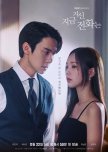
Similarities:
- arranged marriage
- leads "don't like" each other at first, but grow closer over time (show their feelings better)
- couple works as a team together to get over obstacles
- clever and scheming FL and ML
Differences:
- chinese vs korean
- modern vs historical
- vibe
Overall the 2 dramas vibe is different, but I think the couple relationship and dynamics are quite similar. Both is a very good watch, they are worth to get into. (Also, I found both very binge worthy.)
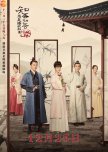
Feng Miao Jun, a princess of the fallen Anxia Kingdom, crosses paths with Yun Ya, a cruel master from Wei. Despite initial distrust, their fates intertwine. Together with Master Mo Ti Zhun and Saintess Han Yue, they become close allies in their battle against the Heavenly Demons. Through trials, love, and mutual support, they grow into powerful beings capable of facing all challenges.
- Enemies to lovers
- The FL and ML hate and distrust each other in the begining
- In Love and Crown FL is seeking revenge for what was done to her master
- In The Prisoner of Beauty ML is seeking revenge for what was done to his clan
- Both dramas are slow paced and you get to know characters gradually
- Lots of schemes and misunderstandings
- Strong and very intelligent FL
- Protective and emotionless ML that actually cares a lot