- Historical periods (1930s in GC, Joseon period in Kingdom)
- Rich ML hunted down on the verge of losing everything (Prince in Kingdom, rich socialite in GC)
- Strong FLs (physically strong in GC, emotionally strong in Kingdom)
- Dark and gritty
- Survival
- Investigation
- Supernatural (big monsters in GC, zombies in Kingdom)
- Similarities between how the monsters come to be
- Power struggles
- Rich ML hunted down on the verge of losing everything (Prince in Kingdom, rich socialite in GC)
- Strong FLs (physically strong in GC, emotionally strong in Kingdom)
- Dark and gritty
- Survival
- Investigation
- Supernatural (big monsters in GC, zombies in Kingdom)
- Similarities between how the monsters come to be
- Power struggles
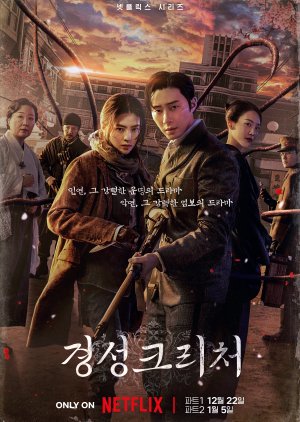
- Historical (1930s in GC, Ming Dynasty in TM)
- Survival and adventure
- Investigation
- Finding someone
- Cult vibes (literal cult in TM, culty vibes in GC)
- Military involvement in shady dealings
- Strong FLs who can fight
- Reluctant teaming up
- Humanoid monsters
- Horror themes
- Important parent-child relationship
- Survival and adventure
- Investigation
- Finding someone
- Cult vibes (literal cult in TM, culty vibes in GC)
- Military involvement in shady dealings
- Strong FLs who can fight
- Reluctant teaming up
- Humanoid monsters
- Horror themes
- Important parent-child relationship
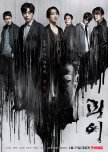
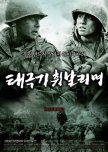
Both "Taegukgi" (2004) and "Gyeongseong Creature" (2023) are South Korean productions set against significant historical backdrops. "Taegukgi" is set during the Korean War and follows two brothers drafted into the conflict, highlighting their struggle for survival. Similarly, "Gyeongseong Creature" is set in 1945 during the Japanese occupation of Korea and features characters battling a supernatural creature born out of greed. Both stories are known for their emotional intensity, complex characters, and high-stakes action, capturing the characters' resilience and sacrifices amidst chaos and conflict.
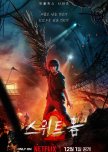
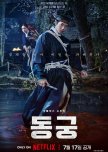
The East Palace and Gyeongseong Creature are both historical Korean dramas that combine supernatural horror with mystery, action, and emotional storytelling, but they explore those elements in different ways. Both series follow protagonists who confront terrifying, otherworldly threats while uncovering long-buried secrets that endanger many lives. They feature richly detailed historical settings, cinematic visuals, intense action sequences, and a blend of suspense with character-driven relationships. In both stories, the supernatural is more than just a source of scares—it serves as the catalyst for uncovering hidden truths and exposing the darkness lurking beneath society. However, their central conflicts differ significantly. The East Palace is rooted in Korean folklore and the spirit world, centering on a cursed royal palace, vengeful ghosts, and a spirit-catcher who teams up with a court lady who can hear the dead to unravel a decades-old royal curse. In contrast, Gyeongseong Creature is a historical creature thriller set during the Japanese occupation of Korea, where monstrous beings are created through horrific human experimentation, making its horror deeply connected to the brutality of history and human greed rather than ghosts or curses. While The East Palace leans into occult mystery and palace intrigue, Gyeongseong Creature emphasizes survival, conspiracy, and bio-horror against the backdrop of colonial oppression.
Both Gyeongseong Creature and Love on the Turquoise share a deep emotional core — love born in hardship, characters carrying wounds, and two souls from different worlds finding comfort in each other. Both dramas mix pain, healing, and beautifully atmospheric storytelling, leaving a bittersweet feeling that stays with you long after finishing.