










 1
1 2
2







 Kim Joong Hee: Squid Game VIP Actor's Real-Life Visuals Shock Fans
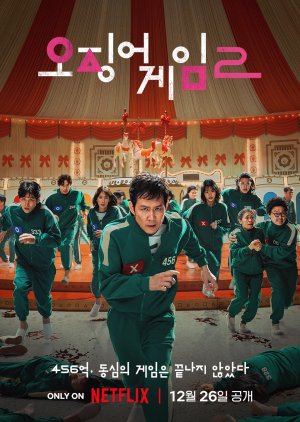
 Seong Gi Hun, a.k.a Player 456, has reentered the Squid Game after winning at the conclusion of the previous game. Now armed with the knowledge of what the game is really about, he seeks to save the lives of other players and end the game once and for all. But those good intentions may fall flat in the face of millions of won. (Source: Variety; TheWrap.com) Edit Translation
- English
- 中文(简体)
- ภาษาไทย
- עברית / עִבְרִית
Where to Watch Squid Game Season 2
Subscription (sub)
Cast & Credits
-
 Lee Jung Jae Main Role
 -
 Lee Byung Hun Main Role
 -
 Yim Si Wan Main Role
 -
 Kang Ha Neul Main Role
 -
 Wi Ha JoonHwang Jun HoMain Role
 -
 Park Gyu YoungKang No EulMain Role
Reviews

Blah games
The fundamental problem is that season two feels utterly unnecessary. It lacks any genuine creative spark, instead rehashing familiar elements with diminishing returns.Well.. we're here. So...
The core components that made Squid Game a global phenomenon—the brutal games, the exploration of class disparity, the desperate lengths people will go to for survival—are all present in season two, but they lack the same impact. The shock value of the games is gone; we’ve seen it all before. The social commentary feels diluted, less focused and more like window dressing. The desperation of the players feels less authentic, replaced by a sense of obligation to the plot. The few new additions introduced feel less like organic expansions of the narrative and more like tacked-on elements designed to justify the season’s existence. The introduction of a pink-clad soldier within the main cast and the exploration of the Front Man's backstory, while offering brief moments of intrigue, ultimately fail to provide sufficient narrative weight to justify an entire season. They’re simply not compelling enough to warrant this continuation.
The acting, a significant strength of the first season, takes a noticeable dip. While the returning actors do their best with the material they’re given, the new additions to the cast are largely forgettable. They embody thinly sketched archetypes, lacking the depth and complexity that made the characters of season one so compelling and emotionally resonant. The performances themselves are technically adequate, but the actors are hampered by a lack of substantive material. This is further exacerbated by the over-the-top acting from many of the guest performances, which shatters any remaining pretense of realism and often veers into unintentional parody. These exaggerated performances clash jarringly with the more grounded portrayals of the main cast, creating further tonal issues.
This brings us to perhaps the most egregious flaw of season two: its jarring and inconsistent tone. The pervasive tension and palpable sense of dread that defined season one, creating a truly unsettling and immersive experience, are replaced by a bizarre and often jarring mix of melodrama, forced humor, and over-the-top action sequences. It’s as if the creators fundamentally misunderstood what made the original so effective, mistaking its dark themes for mere spectacle. In prioritizing entertainment over substance, they’ve sacrificed the show’s emotional core. The result is a tonal inconsistency that severely undermines the narrative. This inconsistent tone makes it impossible to invest in the stakes of the games or connect with the characters on an emotional level. It becomes abundantly clear that the showrunners have lost sight of what made the original Squid Game so compelling.
Season two demonstrates the challenges of continuing a successful narrative. While it retains some elements of the original's visual style and explores the backstory of key characters, it struggles to recapture the thematic depth and emotional resonance of the first season. The narrative may feel repetitive, and the impact of social commentary may be less pronounced. Additionally, the introduction of new characters and storylines may not be as engaging as those in the original. The potential for a third season, hinted at throughout Season two, might leave some feeling that the narrative is being artificially extended
Pros:
• Nostalgia: Returns to familiar characters and offers some closure.
• High production values: Visually appealing with strong technical execution.
Cons:
• Repetitive narrative: Rehashes familiar elements without adding significant depth.
• Weak character development: New characters are forgettable, and performances lack nuance.
• Inconsistent tone: Shifts from dread to melodrama, undermining emotional impact.
• They made filler, feel like filler.
Was this review helpful to you?

a filler season to setup for season 3
would have worked better if none of the past characters were there. an entire new ensemble with new games would have been as exciting as the first season. this season felt like a filler/part one of two. they are probably leading up to the third season but this was boring for the most part. we spent so much time on the past characters, almost two whole episodes and good majority of other episodes on them we barely explored much of the new players. there were interesting new players but u could see the team trying to recreate some past characters. it was fun seeing t.o.p back on the screen.Was this review helpful to you?