

















 Winners & Nominees Of The 62nd Baeksang Arts Awards
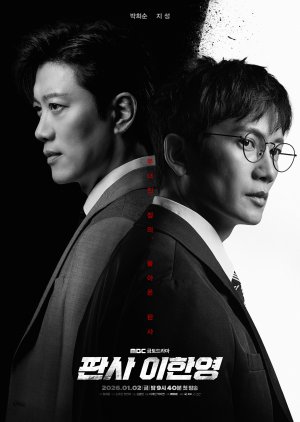
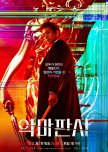
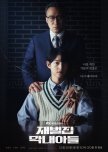
 Apesar de vir de uma família de baixa renda e ter estudado em uma universidade sem prestígio, Lee Han Yeong sempre sonhou em ascender na carreira jurídica. Ao se casar com a filha do CEO do escritório de advocacia Haenal, ele também passou a trabalhar em conjunto com o sogro, usando seu cargo de juiz em benefício da firma. Mas, com o passar dos anos, a culpa foi ficando cada vez mais pesada, até Han Yeong decidir desafiar as ordens que recebia e condenar um presidente corrupto à prisão perpétua, lhe custando a própria vida. Por um milagre, ele acorda e descobre que voltou dez anos no tempo, com todas as memórias intactas, e percebe que recebeu uma segunda chance para corrigir os seus erros. Com a ajuda da promotora Kim Jin A, Han Yeong luta para fazer justiça, mesmo nos momentos mais difíceis (Fonte: Viki) Editar Tradução
- Português (Brasil)
- 한국어
- Русский
- Українська
Onde assistir O Retorno do Juiz
Elenco e Créditos
-
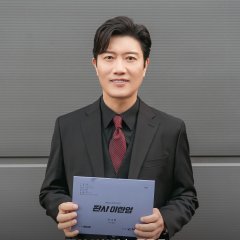
") Ji SungLee Han YeongPapel Principal
Ji SungLee Han YeongPapel Principal -
") Park Hee SoonKang Sin JinPapel Principal
Park Hee SoonKang Sin JinPapel Principal -
") Won Jin AhKim Jin APapel Principal
Won Jin AhKim Jin APapel Principal -
") Tae Won SeokSeok Jeong Ho [Dajul Cash CEO]Papel Secundário
Tae Won SeokSeok Jeong Ho [Dajul Cash CEO]Papel Secundário -
") Baek Jin HeeSong Na Yeon [Daejin Ilbo legal affairs reporter]Papel Secundário
Baek Jin HeeSong Na Yeon [Daejin Ilbo legal affairs reporter]Papel Secundário -
") Oh Se YoungYoo Se Hui [Seon Cheol's youngest daughter]Papel Secundário
Oh Se YoungYoo Se Hui [Seon Cheol's youngest daughter]Papel Secundário
Resenhas

Justiça sem inocência, mas com impacto
Em The Judge Returns, chama atenção como Ji Sung parece escolher projetos que raramente falham em impacto e recepção. Mais uma vez vestindo a toga de juiz, ele conduz um drama que combina construção narrativa sólida e tensão constante, ainda que se apoie, sem pudor, em ilegalidades estratégicas para enfrentar um sistema igualmente corrompido. O jogo entre justiça e pragmatismo moral é o motor da trama, especialmente nos conchavos e articulações entre magistratura, promotoria e imprensa, onde a linha entre herói e anti-herói se torna deliberadamente turva. E é justamente aí que a série ganha força, ao sugerir que, para derrubar o mal entranhado, talvez seja necessário operar fora das regras que o sustentam.O contraponto perfeito surge na atuação de Park Hee-soon, que constrói um vilão à altura do protagonista, sem jamais parecer inferior ao conflito central. A dinâmica entre os dois encontra seu ápice na cena final do tribunal, um duelo verbal que merece ser estudado como exercício de dramaturgia. Ali, texto e atuação se encontram num nível raro de precisão, elevando o confronto a algo maior do que simples embate jurídico, transformando-o numa disputa moral que reverbera para além da tela.
O encerramento, por sua vez, funciona em duas frentes. Pode ser lido como abertura para uma nova temporada ou como comentário pessimista e realista sobre o ciclo eterno de corrupção e poder, sempre restaurado por novos atores e interesses. Ao mesmo tempo, a cena final deixa claro que nem mesmo a ajuda dos aliados é totalmente altruísta, revelando interesses políticos ocultos por trás do apoio institucional. Ainda assim, permanece a ideia reconfortante de que sempre haverá alguém disposto a enfrentar o sistema novamente. O saldo é amplamente positivo, e a expectativa por uma continuação surge menos por gancho narrativo e mais pelo prazer genuíno de acompanhar esse universo.
Esta resenha foi útil para você?

Esta resenha pode conter spoilers
Sisyphus in a Suit
You stare at the screen and can’t help but think: Oh, humanity. Always longing for a restart because, predictably, we messed it up the first time."The Judge Returns." It’s 2026, and the world remains a damp cellar filled with greedy old men. At first glance, it feels like an echo of 2022’s "Again My Life". Has South Korea not moved on since then? (Looking at the current geopolitical landscape, neither has the rest of the world...)
The message is so sobering you’ll want to retreat into a dark room: Without magic, without some metaphysical glitch in the system, you can’t knock these corrupt fossils off the board. It takes a time-reset just to summon the courage for basic decency and integrity. What a pathetic indictment of our species. You take a few pieces off the board, but the Game itself just laughs. Corruption isn't a bug in the system; it is the system. An endless war, a tiny victory—but in the end, does everything stay grey?
Then there’s Ji Sung. He carries that unshakable face of his through every frame. As a judge on his second attempt, he seizes his chance with absolute consequence. For a moment, it feels good to believe that something could actually move.
The Verdict?
• 10/10 for Ji Sung (honestly, just watching him is enough).
• 3/10 for Hope (which, as we know, is merely a lack of information).
But it’s not just about his face. It’s about what that face embodies.
(And thankfully, he isn’t entirely alone in this.)
Amidst the mire, there are these delicate moments where the series actually reflects on the Law. This KDrama (based on the webnovel Pansa Lee Han-young) bows before the Idea of Law. Not because it’s perfect—heaven knows it’s as full of holes as Swiss cheese—but because it’s the only thing standing between us and total whimsy. It is Sisyphus’ work: rolling the stone of the rule of law up the mountain every day, only for it to roll back onto our feet. But that doesn't mean the work is meaningless.
The Koreans have a beautiful term for this: Cheon-myeong (천명). Literally: The Mandate of Heaven.
Embracing the burden of destiny as a call to action, however bleak the odds.
So, would I recommend watching it? Yes. Even if—or especially if—those lying men in suits are increasingly getting on your nerves. It’s an act of defiance to watch someone tirelessly roll that stone up the hill, if only for those few episodes. (I think anyways.)
Esta resenha foi útil para você?