- Português (Brasil)
- Arabic
- Русский
- English
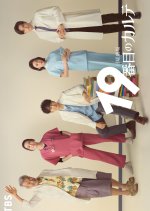
- Título original: 19番目のカルテ
- Também conhecido como: 19 Banme no Karte , 19 Banme no Karte: Tokushige Akira no Monshin
- Roteirista: Tsubota Fumi
- Diretor: Aoyama Takahiro, Tanazawa Takayoshi, Izumi Masahide
- Gêneros: Drama, Médico


Elenco e Créditos
-
") Matsumoto JunTokushige AkiraPapel Principal
Matsumoto JunTokushige AkiraPapel Principal -
") Koshiba FukaTakino MizukiPapel Secundário
Koshiba FukaTakino MizukiPapel Secundário -
") MackenyuTogo KojiroPapel Secundário
MackenyuTogo KojiroPapel Secundário -
") Kimura YoshinoArimatsu ShioriPapel Secundário
Kimura YoshinoArimatsu ShioriPapel Secundário -
") Tanaka MinAkaike NoboruPapel Secundário
Tanaka MinAkaike NoboruPapel Secundário -
") Shimizu HiroyaKayama KeitaPapel Secundário
Shimizu HiroyaKayama KeitaPapel Secundário










Resenhas

Quando ouvir vira o verdadeiro tratamento
Assistir Conversas que Curam para mim foi quase como sentar num consultório diferente, daqueles onde a pressa fica do lado de fora e alguém realmente presta atenção no que a pessoa está vivendo.O drama gira em torno da medicina, claro, hospitais, diagnósticos, pacientes chegando com problemas. Mas o que me chamou atenção logo de cara é que ele não foca só na doença. O foco mesmo está nas histórias por trás dela.
Eu gosto muito quando um drama médico lembra que gente não é só exame, número ou prontuário. Cada paciente chega carregando vida, medo, esperança, confusão, às vezes coisas que nem ele mesmo sabe explicar direito. E aí entra aquele tipo de médico raro, o que escuta de verdade.
O clima da série é mais humano do que frenético. Não é aquele hospital correndo a mil por hora o tempo todo. Aqui muitas vezes a virada acontece numa conversa, numa pergunta bem feita, num silêncio que deixa alguém finalmente falar.
Confesso que esse tipo de história sempre me pega, porque lembra uma coisa simples e poderosa, às vezes o que mais cura não é só o remédio, é alguém que olha pra você e realmente entende o que está acontecendo.
É um drama tranquilo de assistir, sensível, daqueles que a gente termina o episódio com uma pequena reflexão martelando na cabeça.
E eu gosto disso.
Impressão final, drama médico mais humano do que técnico, cheio de histórias de gente real, daqueles que lembram uma verdade antiga da vida, escutar bem ainda é uma das formas mais poderosas de cuidar.
Esta resenha foi útil para você?

What if doctors treated us like people rather than maladies?
This drama touches the heart in many ways while challenging the medical field to see people as a whole. What if doctors spoke to us rather than at us? What if they took the time to find out about our habits and lifestyles instead of focusing on a single area to treat and dismiss? How would the sharing of ideas and abilities between specialties change things in diagnosing and treating the cause of ailment rather than singling out symptoms to treat and calling it a day? Does the value to society outweigh the cost for healing those who do not fit conveniently in a specialist box? The doctors in this series have their set biases based on their abilities and experience. This drama makes them question how they see patients and to set aside their specialties to see how they can discover the root causes of undiagnosed cases. How much effort to extend to those who fall between the cracks and do not conveniently fit in a specific category with established treatments to prescribe and send home. The entire cast did a wonderful job of making these cases come to life. They gave us slices of life to appreciate the patient and hospital staff. To see their struggles and the need to get passed egos to see to the needs of the patient. It gave hope for a future brand of doctors that wanted to see more than a given specialty, with a desire to get input from other specialists to accurately asses what the real problem is, and provide a course of action that would provide the patient relief if not a cure. I loved this drama showing out of the box thinking in creating better quality of life situations for brushed aside patients. I would love to see this type of medicine in action and not just in a drama. But til that day comes, this drama lets us ponder these questions and gives us hope that it might become reality some day. This drama covers serious issues of healthcare while giving respect and dignity to the patients and families dealing with them. We see the conflicts of specialists vs general practitioners and hints of how that bridge can be gapped if true discussion is on the table. It shows the family like relationships of medical professionals and how this both helps and hinders their dealing with patients. When doctors become patients, does their attitudes and mindsets change about how they practice medicine? It makes us wonder what advances we can make working together rather than focusing on competition to become the top in a specific field with no other goals. This gentle speaking doctor caused a lot of fuss in the hospital, but he calmly and steadfastly believed in the importance of people’s stories, and that unwavering effort was eventually rewarded with growing understanding from his colleagues. This is very well done as you laugh and cry with them through these life experiences.Esta resenha foi útil para você?