K-Drama

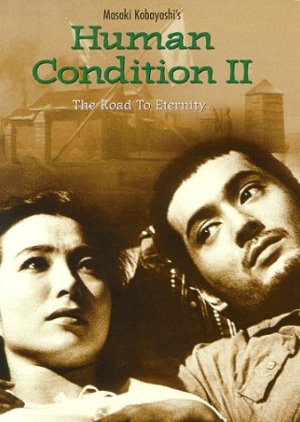
Kaji lost his exemption from military service by protecting Chinese prisoners from unjust punishment, has now been conscripted into the Japanese Kwantung Army. Under suspicion of leftist sympathies, Kaji is assigned the toughest duties in his military recruiting class despite his excellent marksmanship and strong barracks discipline. [wikipedia] Edit Translation
- English
- magyar / magyar nyelv
- dansk
- Norsk
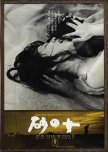
- Native Title: 人間の條件・第三・第四部
- Also Known As: Guerra e Humanidade II - Estrada Para a Eternidade , Ningen no Joken
- Screenwriter & Director: Kobayashi Masaki
- Screenwriter: Matsuyama Zenzo
- Genres: Historical, Psychological, Life, War
Cast & Credits
-
 Nakadai TatsuyaKajiMain Role
 -
 Sato KeiShinjoSupport Role
 -
 Iwasaki KanekoNurse TokunagaSupport Role
 -
 Oki ShojiNakaiSupport Role
 -
 Ebata TakashiKanamoriSupport Role
 -
 Uchida RyoheiHashitaniSupport Role






Photos
Reviews

"He who shouts the loudest isn't always the bravest"
The Human Condition II: Road to Eternity picked up not long after the end of the first installment with humanist thinker Kaji in basic training further away from his beloved Michiko. The frigid Manchukuo winter was the least dangerous enemy Kaji faced during the waning years of WWII.Now in basic training, Kaji tries to keep to himself, follow the rules, and lead an exemplary military career. He is on a “Red” blacklist and constantly surveilled. Shinjo is another free thinker who is always assigned guard duty as punishment and refused promotion. Enlisted with more time in, use any opportunity to beat the new recruits, with the humiliation and pain driving two soldiers to take drastic action. When Kaji’s squad is moved to the front, he runs into an old friend who tries to help him by putting him in charge of a rifle squad and new recruits. Kaji is able to run his barracks the way he envisions which means he chooses to suffer the blows the veterans would normally dish out to the new recruits. When the Russians invade, the soldiers find out how absurdly unprepared they are for the assault.
After attempting to help Chinese workers and POWs in the first film, Kaji concentrated his views of equality and humanity on his fellow recruits and later on the new recruits under him. Unlike other soldiers who believed Japan could not be beaten even after devastating losses in the Pacific and the Allies victory in Europe, Kaji saw the writing on the wall. Despite hating the army he was a disciplined soldier and an excellent marksman, but his ultimate goal was to survive and make it home to Michiko and for his men to see their mothers and loved ones.
Being a humanist in a savage military atmosphere tested Kaji regularly. I had read how drill instructors and higher ranking enlisted brutalized new recruits as the war went on, especially college kids. Fourteen years after the war, this film showed the civilian population a taste of the cruelty their young men experienced at the hands of their own people. In order to raise morale, Kaji attempted to inject a modicum of kindness and respect into the men he trained. By giving his recruits real reasons to live, he hoped to motivate them to train hard and survive. As the wartime situation deteriorated, rifles and ammunition fell into short supply. Adequate fire power was absent in the face of the Soviet Union’s tanks and cannons. The Japanese soldiers were all but using popguns and Roman candles against their enemy. Commanders needlessly sacrificed their men. “To die here, is to die a dog’s death.”
As this film was more a psychological study of Kaji and the violent, dehumanizing military culture, the battles were rarely shown. The final battle did involve tanks and their cannons, but even then the focus was largely on Kaji and the soldiers’ reactions in their foxholes. After the tanks left Kaji and two other survivors struggling in a charred landscape, Kaji was once again forced over an ethical invisible line within himself.
Kaji’s determination to treat all men as men and with respect was harshly challenged and he paid the price repeatedly. As in the first film, he made mistakes and used violence when he felt the situation called for it. Wins for Kaji were not measured by the tide of the war or on the battlefield, but in the small moments when his actions protected his men from the army and helped them live a more fully human life in the face of fear and death.
25 February 2026
Trigger warning: During the battle scene a person was blown up with body parts flying. Many brutal beatings. Suicide.
Was this review helpful to you?

Recent Discussions
Be the first to create a discussion for The Human Condition II: Road to Eternity