Grand scenes, immaculate performances, and a rich and heavy plot — Swords into Plowshares has seen its buzz climb higher and higher in times when short-form series are in vogue.
As the drama airs to strong popularity in China, director Yang Lei sat for an exclusive interview with Cover News, giving insights into the story and characters.
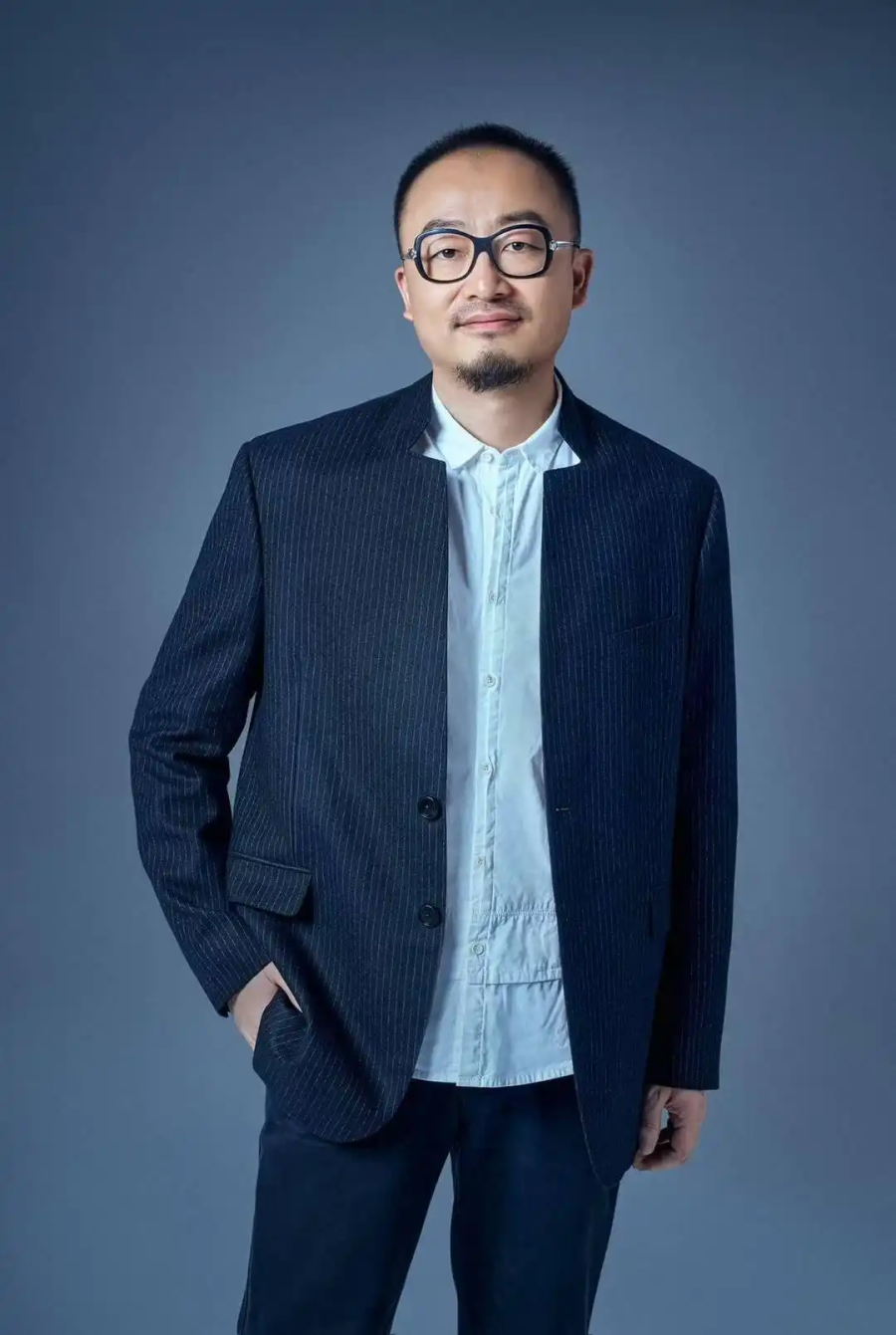
Cover News: You're an exceptionally meticulous director — something that was already clear from your work on Three-Body. Whenever you direct a project, you're always very serious and detail-oriented. Could you share where that [meticulousness] is most evident?
Yang Lei: First, you have to find the core underlying tone [the fundamental creative color/texture] of a work. Although Three-Body is a sci-fi TV drama, what we insisted on from the very beginning was creating this sci-fi project in a realistic way. That was also the core base tone when we were making Swords into Plowshares.
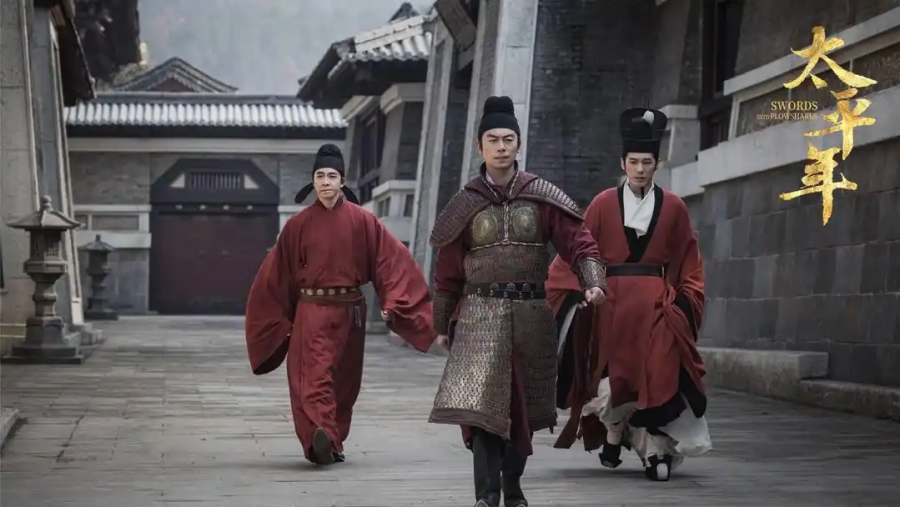
The foundation of creating with realism is to strive for authenticity — to strive to give viewers the strongest possible sense of realism. And where that immersion comes from is research. The crew visited many museums, as well as the real-life locations where the story takes place; checked out a lot of books; and also studied together historical architecture and clothing.
Beyond the character stories written in the script, we also had to find the characters' stories in actual history from a sea of materials to find the basis for the performances. And on that basis, arrange the art direction, props, habits, and customs. We hoped to make every detail solid, and through these details coming together, built a sense of realism and strived to make every character feel like a real person.
Another thing is to find the atmosphere each scene should have. During preparation, we summarized what each scene in the script needed to convey. How can we express the meaning of that scene accurately? Beyond costumes, makeup, and props, it's the lighting and atmosphere. We designed the lighting and atmosphere for every scene in advance and then used cinematic language to convey the situation and mood that scene needed to express.
Many scenes were scrutinized and refined again and again. Throughout the entire creative process, we had to keep insisting on anchoring all kinds of details. At the core, it was about respecting historical authenticity — grounding it in every tiny point — so that every scene could hold up within historical logic.
Cover News: Some viewers have said this is a work with a "high threshold for watching" [i.e., it's not easy to jump into / it demands more from the viewer]. How do you view that assessment? When you were creating it, did you ever get caught in the dilemma of whether to lower this threshold or stick to the level of historical factual density the series ought to have?
Yang Lei: First of all, I think we shouldn't underestimate the audience. After the show airs, there will be many viewers who can go even further in interpreting what our drama expresses. From another angle, that also shows that audiences actually crave this kind of content.
When I first read the script, I also had to look things up and study to fill in the gaps in my understanding of this period of history. And I also hope that many viewers can gain more intellectual nourishment through research and study, just like I did when I first read the script. I felt deeply fulfilled throughout the entire creative process, and it was thoroughly exhilarating.
Also, the audiences understand history not by memorizing events; they understand it by empathizing with the plight of "If it were me, what would I do?" Serious subject matter and watchability aren't conflicting. I think they can be naturally integrated through human-centered storytelling.
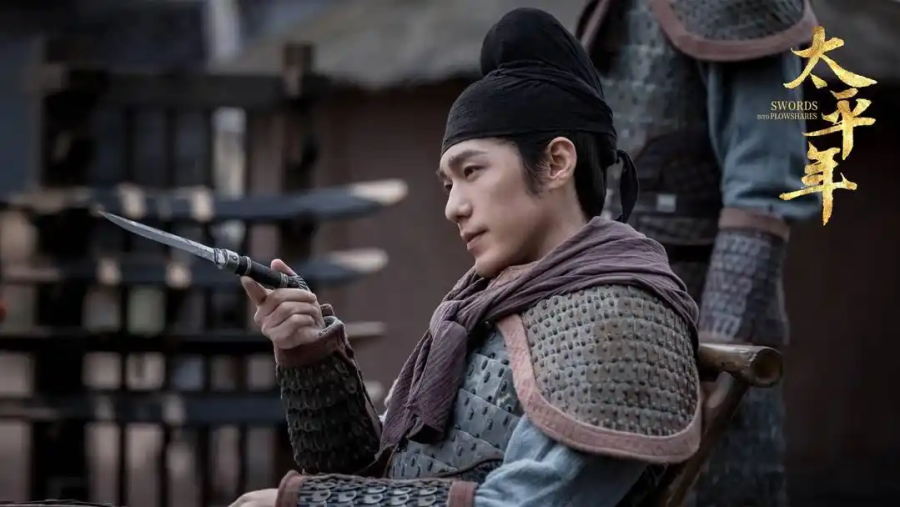
We strictly follow the principle of "not falsifying major events." Characters' actions must align with the era's circumstances and logic of interests. Watchability depends on "the authenticity of emotion." Through Qian Hong Chu's perspective, we let the audience first "become" him, feel the cruelty of chaotic times, and the preciousness of peace. All the complex historical tensions are transformed into the painful yet real choices a specific person makes within a specific situation.
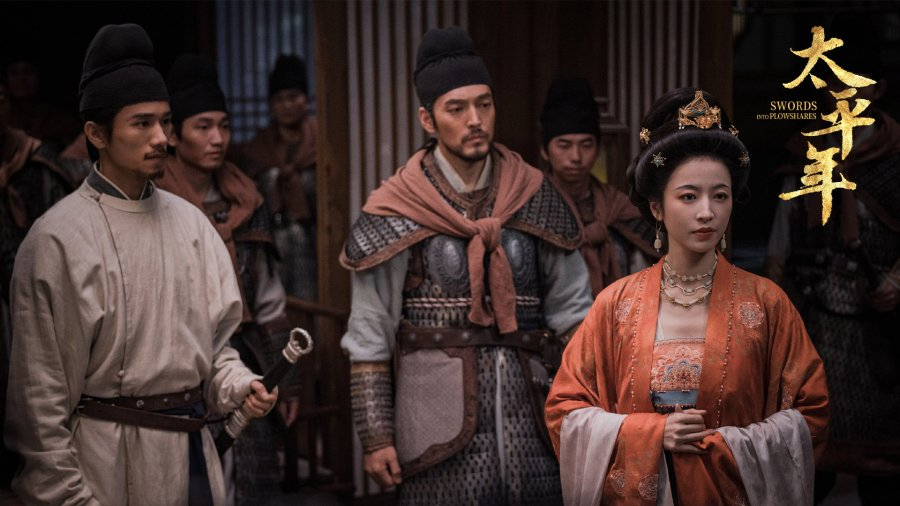
Cover News: What did you consider in terms of the work's creative style? Some viewers feel that, behind the show's distinctive poetic quality, they can also sense the oppression of that era while watching.
Yang Lei: What we want to explore is this: At a crossroads of history, what constitutes higher political wisdom? Is it a steadfastness [in one's commitments] that leads to mutual destruction? Or is it the courage to sacrifice oneself to bring about the greater purpose of "peace"?
The drama weaves three narratives — "war, the court, and the people's livelihood." People’s livelihood is the foundation; it’s the underlying tone that runs continuously. The court is the main axis: every major court assembly is a clash of values.
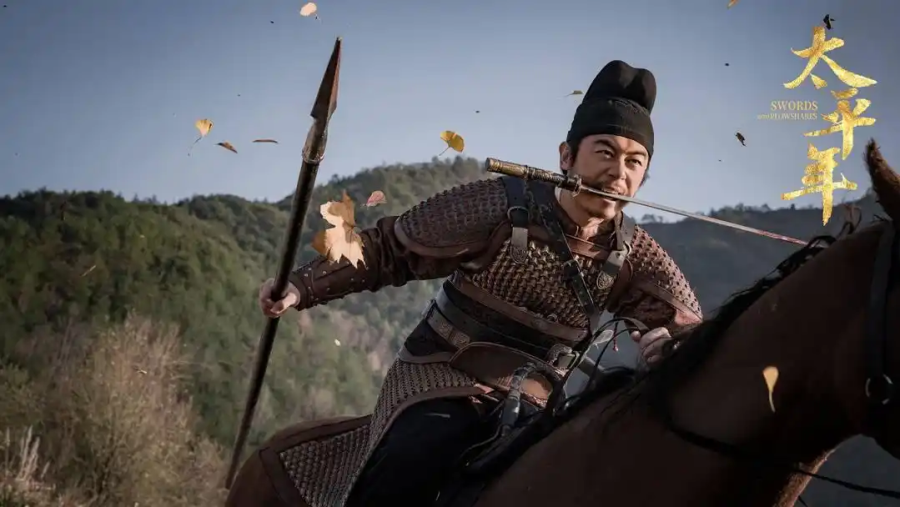
War isn't shown extensively, but we strived for refinement — showing the necessary battlefield imagery without going deep into long, drawn-out slaughter scenes. We hope that, through this restrained storytelling, audiences can feel both the weight of history and the warmth of humanity.
Cover News: From Three-Body to Swords into Plowshares, you seem to always push yourself into difficult challenges. What type of work or directorial [challenges] do you want to take on next?
Yang Lei: I do enjoy putting myself up against that kind of difficulty and challenge. Three-Body let me see the limitless possibilities of science fiction, and Swords into Plowshares gave me a deeper understanding of how history and human nature intertwine. Our team has had a motto over the past years: do what's right and meaningful. I hope that through my works, I can convey positive values that are meaningful to people and to society. That's the underlying tone and core we hold to in our works. In the future, I hope to continue telling Chinese stories well through film and television.
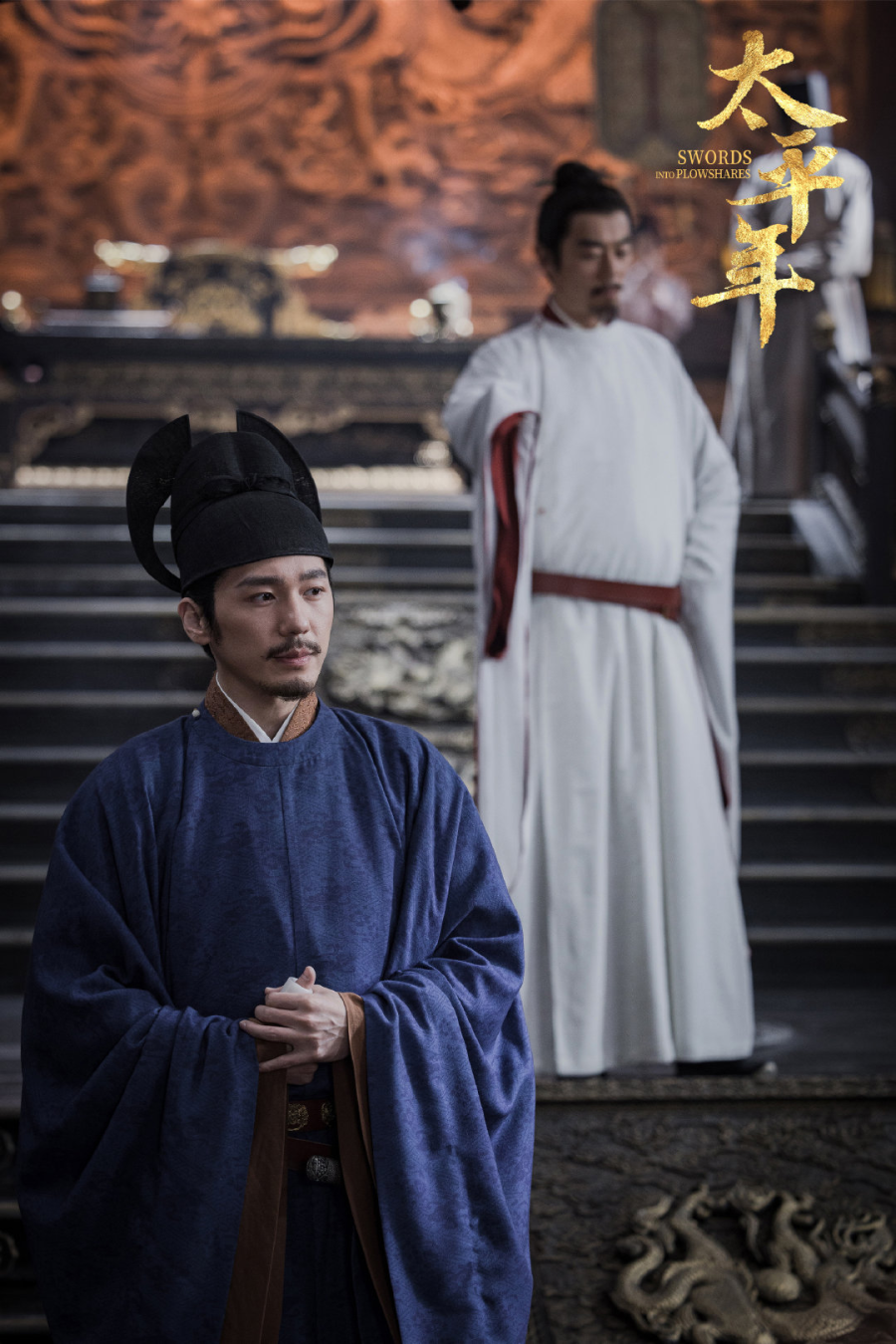
Swords into Plowshares tells the story of Qian Hong Chu, ruler of the Wuyue Kingdom, and his journey of growth through the Five Dynasties and Ten Kingdoms period — a time marked by ruin, strife, and turmoil — into the early Northern Song dynasty.
Shouldering the responsibility for all on the land, he eliminates treacherous ministers at home and resists powerful enemies, cares for the common people, safeguards the realm, and brings peace to its people. And in the third year of the Taiping Xingguo era of the Northern Song, he offers his territory and submits to the Song Dynasty, helping to bring about peace throughout the land.