

 4
4 1
1


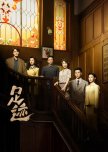
A captivating trilogy on "living in interesting times" as a wronged woman and individual
Three stories, the 1st set in the late Republican period, the 2nd in an early Communist period and the 3rd in "roaring 90s", in the same city (Shanghai), all stories greatly "witnessed" by the same house, which was a family home (later a hospital/working place) of the first female protagonist, a working and living place of the second and the third FL: three women of different generations sharing a mutual family bond and leaving their "footprints", their life stories, romances, spirits and strenghts for each new generation to come, symbolically conveyed to the audience with passing the pocket watch (gifted to the first FL by her husband) on to the next generation .
The setting of all three stories is historically and visually impeccable in every detail, object, costume and prop, helping a viewer to fully immerse in the time treated in each arc. Visual aesthetics of the first two stories are furtherly accentuated by framed chiaro-scuro shots under porches and arcades, looking like paintings or precious old photos. This clear and sophisticated retro vibe is replaced by "modern antiques" bursting colours in the third story. The artistic department covering three different period of times and the camerawork are perfect, 10/10. The choice of classical music and Chinese folk tunes serves well particularly in the 2nd story, where it is almost part of the script: FL and ML get closer thanks to their love for fine arts in general (FL is a designer and a painter), it helps them to understand each other.
But the overall tune of the three stories is different, each fitting the time and type of storytelling. The first story is a pure narrative, told by the 2nd FL (an elderly lady at the moment of storytelling) to the 3rd FL (her grandaughter) in the lowest moment in life of the latter (it isn't clear if she tempted a suicide or collapsed due to a shock of being unintentionally involved in a fraud and money embezzlement). That's the reason why the first story flows so well, scenes and episodes follow the memories and story telling of an old woman who is an artist herself, who deeply loved and respected her aunt (1st FL), a doctor who studied abroad, coped with difficult family issues, challenged societal norms and had a beautiful love story with her uncle. Excellent dialogues, acting and directing fully delivered that story.
Having a terrible father and a weak mother, this aunt was the only person YiYi (2nd FL) could count on. She was her polar star and a rolemodel to follow even when they've lost contact and she ought to face even greater challenges. Two actresses who impersonated the 2nd FL did an amazing job. Great story, great acting, aesthetics and subtle use of arts are the reasons why there was no drop in the overall quality as it happened in the War of Faith when the story turned from the (opulent) Republican to (poor) Communist era in Shanghai.
The plot and dialogues, although simplified and sometimes overdramatised to fit into the format of 10 eps per arc, are credible and sufficient both to characterise persons involved and realistically depict the time and the environment. Probably, the story in the 2nd arc is closest to real historical setting I've seen of this period in any Chinese drama (also because it avoided to deepen certain events and purges in the first 5 years of Communist takeover, while how the Cultural Revolution impacted the story was only hinted and not particularly deepened). An incredibly credible story, which feels both realistic and poetic.
After these two dramatic stories, full of turbulences, the third felt... anticlimatic. Again, the environment was faithfully represented, the actors did their job etc., but the story was not captivating enough. It has its good aspects (politics, business and relations are actually interesting as they were in previous arcs), but, imo, it fails to explain the characters as they were explained in the the 1st and the 2nd. The 3rd FL is emotionally volatile, maybe even unstable (that's why I've thought she tried a suicide), domineering towards her boyfriend for no reason. Having such a great grandma, she shouldn't be like that... The always upright 3rd ML doesn't shine either and the chemistry between the leading actors is not particularly credible. Maybe, we should take their story as a passage obligé to hand down the pocket watch to some future descendant who will live in more demanding times. Despite these flows regarding mainly the 3rd story, I strongly recommend you to watch this well-written, well-crafted and performed drama.
The setting of all three stories is historically and visually impeccable in every detail, object, costume and prop, helping a viewer to fully immerse in the time treated in each arc. Visual aesthetics of the first two stories are furtherly accentuated by framed chiaro-scuro shots under porches and arcades, looking like paintings or precious old photos. This clear and sophisticated retro vibe is replaced by "modern antiques" bursting colours in the third story. The artistic department covering three different period of times and the camerawork are perfect, 10/10. The choice of classical music and Chinese folk tunes serves well particularly in the 2nd story, where it is almost part of the script: FL and ML get closer thanks to their love for fine arts in general (FL is a designer and a painter), it helps them to understand each other.
But the overall tune of the three stories is different, each fitting the time and type of storytelling. The first story is a pure narrative, told by the 2nd FL (an elderly lady at the moment of storytelling) to the 3rd FL (her grandaughter) in the lowest moment in life of the latter (it isn't clear if she tempted a suicide or collapsed due to a shock of being unintentionally involved in a fraud and money embezzlement). That's the reason why the first story flows so well, scenes and episodes follow the memories and story telling of an old woman who is an artist herself, who deeply loved and respected her aunt (1st FL), a doctor who studied abroad, coped with difficult family issues, challenged societal norms and had a beautiful love story with her uncle. Excellent dialogues, acting and directing fully delivered that story.
Having a terrible father and a weak mother, this aunt was the only person YiYi (2nd FL) could count on. She was her polar star and a rolemodel to follow even when they've lost contact and she ought to face even greater challenges. Two actresses who impersonated the 2nd FL did an amazing job. Great story, great acting, aesthetics and subtle use of arts are the reasons why there was no drop in the overall quality as it happened in the War of Faith when the story turned from the (opulent) Republican to (poor) Communist era in Shanghai.
The plot and dialogues, although simplified and sometimes overdramatised to fit into the format of 10 eps per arc, are credible and sufficient both to characterise persons involved and realistically depict the time and the environment. Probably, the story in the 2nd arc is closest to real historical setting I've seen of this period in any Chinese drama (also because it avoided to deepen certain events and purges in the first 5 years of Communist takeover, while how the Cultural Revolution impacted the story was only hinted and not particularly deepened). An incredibly credible story, which feels both realistic and poetic.
After these two dramatic stories, full of turbulences, the third felt... anticlimatic. Again, the environment was faithfully represented, the actors did their job etc., but the story was not captivating enough. It has its good aspects (politics, business and relations are actually interesting as they were in previous arcs), but, imo, it fails to explain the characters as they were explained in the the 1st and the 2nd. The 3rd FL is emotionally volatile, maybe even unstable (that's why I've thought she tried a suicide), domineering towards her boyfriend for no reason. Having such a great grandma, she shouldn't be like that... The always upright 3rd ML doesn't shine either and the chemistry between the leading actors is not particularly credible. Maybe, we should take their story as a passage obligé to hand down the pocket watch to some future descendant who will live in more demanding times. Despite these flows regarding mainly the 3rd story, I strongly recommend you to watch this well-written, well-crafted and performed drama.
Was this review helpful to you?


