



This review may contain spoilers
When Two Wounded Hearts Heal Each Other
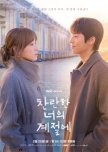
In Your Radiant Season is, in my opinion, a drama that successfully delivers a warm and emotional healing romance. The story does not focus solely on the romantic relationship between Sunwoo Chan and Ha Ran, but also explores past wounds, loss, guilt, family, and how someone tries to rediscover happiness after going through painful experiences. For me, the drama’s greatest strength lies in the emotional development of its two main characters and how they gradually influence each other’s lives.
One of the things I liked most is Sunwoo Chan’s characterization. At first, Chan is a quiet person because of the pressure from his father, who prevents him from pursuing the dream he truly wants. However, after surviving an explosion and losing part of his memory, Chan becomes a much more cheerful person. His cheerful personality is actually his way of leaving the past behind and trying to forget the painful events he experienced. Because of this, the more we learn about Chan, the more we realize that his smile does not mean he is free from pain. Rather, it is one of the ways he chooses to cope with his wounds.
Meanwhile, Ha Ran also has an interesting character development. At first, she becomes cheerful again after regaining her sense of happiness through her conversations with Sunwoo Chan, whom she believes is Heyokchan. However, as the story progresses, Ha Ran becomes depressed again because she begins to believe that whenever she feels happy, that happiness will eventually disappear. I think this is one of the more emotional aspects of the drama because it shows how experiences of loss can change the way someone views happiness. Ha Ran is not simply a character who is sad because she lost someone; she is someone who has become afraid of being happy because she believes happiness will always be followed by loss.
The relationship between Chan and Ha Ran becomes even more interesting because they gradually heal each other. Chan manages to bring Ha Ran’s happiness back and helps her experience the joy she had once become afraid of. This moment feels important because it shows how their relationship develops. Chan is not simply Ha Ran’s romantic partner, but also someone who helps her change the way she views happiness and her own life.
Towards the end, their relationship faces another conflict when Chan still has not fully regained his memories and continues to believe that Heyokchan’s death happened because of him. His guilt leads him to distance himself from Ha Ran. In my opinion, this decision makes sense given Chan’s emotional state. He is not simply running away from Ha Ran, but also trying to escape from his past and the guilt he has not yet been able to confront.
What I liked is that the drama does not end with Chan simply leaving. Ha Ran’s determination eventually brings them back together. If Chan was previously the one who helped Ha Ran rediscover her happiness, this time Ha Ran is the one who refuses to give up on Chan when he is at his lowest point. This makes the healing theme of the drama feel even stronger. Their relationship is not simply about one character saving the other, but about two wounded people gradually learning to face their pain together.
Aside from the main couple, the supporting characters are also one of the drama’s strengths. One character I particularly liked is Hayeong. She always tries to remain strong within her family and continues to hold herself together whenever problems arise. However, when she is alone, we can see that Hayeong is actually quite vulnerable as well. She may appear strong in front of her family, but she still becomes tired and needs someone to lean on when no one else is watching. This contrast makes Hayeong feel very human. I like how the drama shows that someone who appears to be the strongest person in a family may not actually be doing okay.
The other supporting characters also have their own stories that are quite interesting. Some of their relationships are even very entertaining and provide variety amid the emotional main storyline. Their presence prevents the drama from revolving entirely around Chan and Ha Ran, while also showing that every character has their own wounds and struggles.
Visually, In Your Radiant Season is also very well done. The cinematography is soft and beautiful, with the atmosphere and changing seasons being used effectively to reflect the characters’ emotional development. The visuals fit the healing concept of the drama very well. The music also supports the overall atmosphere, particularly during emotional scenes, although I would say it is not as prominent as the acting and cinematography.
Speaking of the acting, Lee Sung Kyung and Chae Jong Hyeop are among the biggest reasons why the drama remains engaging. They manage to make Chan and Ha Ran’s relationship feel natural. Their emotional transitions are also portrayed convincingly, particularly when they have to shift from warm and lighthearted scenes to more emotional moments. In my opinion, the chemistry between the two leads is one of the best aspects of the drama.
That said, I still feel that there are some parts of the drama that could have been stronger. Some developments and conflicts do not have quite as much impact as their potential suggests. There are also moments where the emotional aspect feels stronger than the plot itself. However, I can still accept these shortcomings because the drama places greater emphasis on emotional journeys and character development rather than presenting an extremely complex plot.
Overall, I enjoyed In Your Radiant Season because of its acting, chemistry between the leads, characterization, supporting characters, visuals, and healing theme. The drama may not be perfect in every aspect, but it succeeds in delivering many warm and emotional moments. What I especially liked was how Chan and Ha Ran’s relationship developed from two people carrying their own wounds into two people who gradually helped each other rediscover happiness. Characters like Hayeong also reinforce the idea that facing life does not always mean having to appear strong all the time.
I give this drama 8.5/10. For me, In Your Radiant Season is suitable for viewers who enjoy romance with emotional storytelling, strong character development, and themes of loss and rediscovering happiness. It is not a perfect drama, but the emotional journey of Chan and Ha Ran, combined with the strong supporting characters, makes it a memorable drama to watch.
One of the things I liked most is Sunwoo Chan’s characterization. At first, Chan is a quiet person because of the pressure from his father, who prevents him from pursuing the dream he truly wants. However, after surviving an explosion and losing part of his memory, Chan becomes a much more cheerful person. His cheerful personality is actually his way of leaving the past behind and trying to forget the painful events he experienced. Because of this, the more we learn about Chan, the more we realize that his smile does not mean he is free from pain. Rather, it is one of the ways he chooses to cope with his wounds.
Meanwhile, Ha Ran also has an interesting character development. At first, she becomes cheerful again after regaining her sense of happiness through her conversations with Sunwoo Chan, whom she believes is Heyokchan. However, as the story progresses, Ha Ran becomes depressed again because she begins to believe that whenever she feels happy, that happiness will eventually disappear. I think this is one of the more emotional aspects of the drama because it shows how experiences of loss can change the way someone views happiness. Ha Ran is not simply a character who is sad because she lost someone; she is someone who has become afraid of being happy because she believes happiness will always be followed by loss.
The relationship between Chan and Ha Ran becomes even more interesting because they gradually heal each other. Chan manages to bring Ha Ran’s happiness back and helps her experience the joy she had once become afraid of. This moment feels important because it shows how their relationship develops. Chan is not simply Ha Ran’s romantic partner, but also someone who helps her change the way she views happiness and her own life.
Towards the end, their relationship faces another conflict when Chan still has not fully regained his memories and continues to believe that Heyokchan’s death happened because of him. His guilt leads him to distance himself from Ha Ran. In my opinion, this decision makes sense given Chan’s emotional state. He is not simply running away from Ha Ran, but also trying to escape from his past and the guilt he has not yet been able to confront.
What I liked is that the drama does not end with Chan simply leaving. Ha Ran’s determination eventually brings them back together. If Chan was previously the one who helped Ha Ran rediscover her happiness, this time Ha Ran is the one who refuses to give up on Chan when he is at his lowest point. This makes the healing theme of the drama feel even stronger. Their relationship is not simply about one character saving the other, but about two wounded people gradually learning to face their pain together.
Aside from the main couple, the supporting characters are also one of the drama’s strengths. One character I particularly liked is Hayeong. She always tries to remain strong within her family and continues to hold herself together whenever problems arise. However, when she is alone, we can see that Hayeong is actually quite vulnerable as well. She may appear strong in front of her family, but she still becomes tired and needs someone to lean on when no one else is watching. This contrast makes Hayeong feel very human. I like how the drama shows that someone who appears to be the strongest person in a family may not actually be doing okay.
The other supporting characters also have their own stories that are quite interesting. Some of their relationships are even very entertaining and provide variety amid the emotional main storyline. Their presence prevents the drama from revolving entirely around Chan and Ha Ran, while also showing that every character has their own wounds and struggles.
Visually, In Your Radiant Season is also very well done. The cinematography is soft and beautiful, with the atmosphere and changing seasons being used effectively to reflect the characters’ emotional development. The visuals fit the healing concept of the drama very well. The music also supports the overall atmosphere, particularly during emotional scenes, although I would say it is not as prominent as the acting and cinematography.
Speaking of the acting, Lee Sung Kyung and Chae Jong Hyeop are among the biggest reasons why the drama remains engaging. They manage to make Chan and Ha Ran’s relationship feel natural. Their emotional transitions are also portrayed convincingly, particularly when they have to shift from warm and lighthearted scenes to more emotional moments. In my opinion, the chemistry between the two leads is one of the best aspects of the drama.
That said, I still feel that there are some parts of the drama that could have been stronger. Some developments and conflicts do not have quite as much impact as their potential suggests. There are also moments where the emotional aspect feels stronger than the plot itself. However, I can still accept these shortcomings because the drama places greater emphasis on emotional journeys and character development rather than presenting an extremely complex plot.
Overall, I enjoyed In Your Radiant Season because of its acting, chemistry between the leads, characterization, supporting characters, visuals, and healing theme. The drama may not be perfect in every aspect, but it succeeds in delivering many warm and emotional moments. What I especially liked was how Chan and Ha Ran’s relationship developed from two people carrying their own wounds into two people who gradually helped each other rediscover happiness. Characters like Hayeong also reinforce the idea that facing life does not always mean having to appear strong all the time.
I give this drama 8.5/10. For me, In Your Radiant Season is suitable for viewers who enjoy romance with emotional storytelling, strong character development, and themes of loss and rediscovering happiness. It is not a perfect drama, but the emotional journey of Chan and Ha Ran, combined with the strong supporting characters, makes it a memorable drama to watch.
Was this review helpful to you?


