

 1
1



This review may contain spoilers
I’ve never loved being heartbroken this much
If you’re looking for a drama that will break your heart in the most beautiful way possible, One and Only is it. Bai Lu and Allen Ren deliver performances so powerful, so deeply emotional, that you can’t help but be completely drawn into their tragic yet breathtaking love story.
Set in a world of political intrigue and duty, the drama follows Zhou Shengchen (Allen Ren), a loyal and honorable general, and Cui Shiyi (Bai Lu), his devoted disciple. From the start, their love is restrained by obligations and circumstances, yet it shines through in the smallest gestures — a lingering glance, an unspoken promise, the way they sacrifice for each other without hesitation. Their bond is profound, not just in romance but in mutual respect and unwavering loyalty.
Zhou Shengchen is a man shaped by war, bound by duty, and driven by an unshakable sense of responsibility. He was raised to be a protector, not a lover — to defend his people, to stand unwavering in the face of danger. And yet, when he meets Cui Shiyi, love becomes his quiet rebellion, the one thing he allows himself to cherish even as he denies it.
He is not a man who expresses love in words, nor does he allow himself the indulgence of longing openly. Instead, his love is in the way he shields her from harm, in the way his eyes soften when she speaks, in the rare moments when his control slips and emotion flickers through. It’s in his unspoken promise to always keep her safe, even if it means staying at a distance.
What drives him? Duty. Honor. The weight of protecting a country that sees him as a warrior first, a person second. What he fears most is that his love will bring Shiyi harm. That in choosing him, she will be condemned to the same burdens he carries. That she will suffer because of him. Yet, he does love her, with everything he has — silently, fiercely, and without asking for anything in return.
And when fate is cruel, when choices are taken from them, his sorrow is unbearable — not because he weeps, but because he does not. Because he endures it, because he swallows his pain as he has done all his life, and because, in the end, his love for Shiyi is the one battle he could never win.
Cui Shiyi is born into nobility, but she has never been truly free. From the moment she is betrothed to a man she does not know, her life is dictated by duty. Yet the moment she steps into Zhou Shengchen’s world, she finds something she never expected — a place where she belongs. She may have been sent to his manor to learn, but in truth, she was always there to love him.
Devotion drives her. The quiet, unwavering kind that expects nothing in return. She doesn't love Zhou Shengchen for his titles or his victories but for the man he is — the one who treats her not as a political pawn but as someone with a mind and heart of her own. What she fears most is losing him. Not to war, not to duty, but to the silence between them. To the love they both feel but cannot speak aloud.
She loves him gently, selflessly, with a patience that makes her love all the more devastating. She waits for him, even when she knows there may be no future. She watches over him, even when he does not realize it. She holds onto his every word, his every kindness, as if they are the only things keeping her heart beating.
Her love is not loud, but it is unshakable. She does not cry out when she suffers, does not demand more than he can give. But in the moments when her voice breaks, when she speaks his name like a prayer, when she looks at him as if he is her entire world — you feel it. You feel the depth of what she carries inside her, the love she would have spent a lifetime giving him if only fate had been kinder.
Beyond the love story, One and Only is also a tale of family — not one bound by blood, but by loyalty, shared hardships, and unspoken understanding. Around Zhou Shengchen and Cui Shiyi stands a family of disciples, a wise and compassionate monk, and a trusted military advisor. They are more than just followers or subordinates; they are the people who fill Zhou Shengchen’s world with warmth in a life that would otherwise be lonely.
Each of the ten disciples carries their own story, their own devotion to their master, and their own silent love for the family they’ve built. They look up to Zhou Shengchen not just as a general but as a mentor, a father figure, a man they would follow to the ends of the earth. And within this circle, Cui Shiyi becomes one of them — not a noble lady to be served, but a cherished sister, someone they protect not out of obligation, but because they love her as much as he does.
The monk is the guiding presence, the voice of wisdom who understands the depths of the love between Zhou Shengchen and Cui Shiyi, even when they do not speak of it. The military advisor, ever loyal, sees the burdens his master carries and shoulders them alongside him, never letting him stand alone. Together, they are not just warriors, not just scholars—they are a family, built from the quiet moments, the laughter between training sessions, the shared meals, the unspoken knowledge that they would give their lives for one another.
And when tragedy looms, when sacrifice comes knocking, it is this bond that makes it all the more devastating. Because One and Only is not just about the love between two people — it is about a home that was built, a family that was cherished, and a loss that is felt by every single soul who called that place home.
Allen Ren’s portrayal of Zhou Shengchen is one of quiet strength and heartbreaking restraint. He embodies a man who carries the weight of his responsibilities, never once faltering, even when it costs him everything. Every emotion — his longing, his pride, his sorrow — is in his eyes, in the way he holds himself, in the slight tremor of his voice during those gut-wrenching moments.
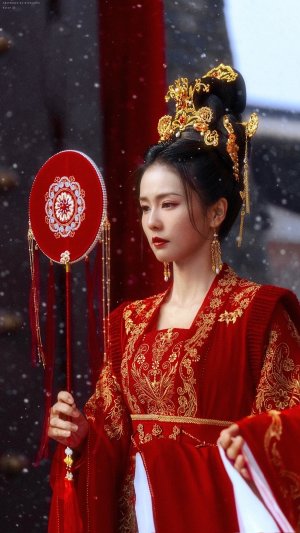
Bai Lu gives us a Cui Shiyi who is both gentle and resilient, her love for Zhou Shengchen so pure yet so painful. She doesn’t need grand declarations — her expressions, her tears, the way her voice breaks when she calls his name — it’s enough to shatter you. And perhaps one of the most striking aspects of her performance is how she embodies Shiyi’s silence.
She arrives at Zhou Shengchen’s manor unable to speak, her voice locked away by years of repression and the weight of her circumstances. Yet, through love, through trust, through the quiet safety he provides, she slowly finds it again — learning to speak, to laugh, to call his name. It’s a testament to how deeply he becomes her anchor, the person who gives her the courage to exist as more than just a noble lady bound by duty.
And then, when the fateful moment comes — when her world is ripped apart, when she loses the very person who gave her voice back — her silence returns, more deafening than ever. Watching her revert to muteness is utterly heartbreaking, because it isn’t just the absence of sound — it is the absence of life, the loss of the one thing that had made her feel whole. Bai Lu plays these moments with such devastating grace that it leaves you breathless, as if you too, have lost the ability to speak.
Despite its sorrow, One and Only is a drama of stunning beauty. The cinematography, the poetic dialogues, the soft yet haunting soundtrack — it all adds to the atmosphere of a love story that is as doomed as it is unforgettable. Every moment of happiness is fleeting, every tender interaction tinged with the knowledge of inevitable loss. And yet, you can’t look away.
I’ve never loved being heartbroken this much. There’s a rare kind of beauty in a story that makes you ache so deeply, and One and Only delivers that flawlessly. It’s not just a tragic love story — it’s an experience, one that lingers long after the final scene fades.
Set in a world of political intrigue and duty, the drama follows Zhou Shengchen (Allen Ren), a loyal and honorable general, and Cui Shiyi (Bai Lu), his devoted disciple. From the start, their love is restrained by obligations and circumstances, yet it shines through in the smallest gestures — a lingering glance, an unspoken promise, the way they sacrifice for each other without hesitation. Their bond is profound, not just in romance but in mutual respect and unwavering loyalty.
Zhou Shengchen is a man shaped by war, bound by duty, and driven by an unshakable sense of responsibility. He was raised to be a protector, not a lover — to defend his people, to stand unwavering in the face of danger. And yet, when he meets Cui Shiyi, love becomes his quiet rebellion, the one thing he allows himself to cherish even as he denies it.
He is not a man who expresses love in words, nor does he allow himself the indulgence of longing openly. Instead, his love is in the way he shields her from harm, in the way his eyes soften when she speaks, in the rare moments when his control slips and emotion flickers through. It’s in his unspoken promise to always keep her safe, even if it means staying at a distance.
What drives him? Duty. Honor. The weight of protecting a country that sees him as a warrior first, a person second. What he fears most is that his love will bring Shiyi harm. That in choosing him, she will be condemned to the same burdens he carries. That she will suffer because of him. Yet, he does love her, with everything he has — silently, fiercely, and without asking for anything in return.
And when fate is cruel, when choices are taken from them, his sorrow is unbearable — not because he weeps, but because he does not. Because he endures it, because he swallows his pain as he has done all his life, and because, in the end, his love for Shiyi is the one battle he could never win.
Cui Shiyi is born into nobility, but she has never been truly free. From the moment she is betrothed to a man she does not know, her life is dictated by duty. Yet the moment she steps into Zhou Shengchen’s world, she finds something she never expected — a place where she belongs. She may have been sent to his manor to learn, but in truth, she was always there to love him.
Devotion drives her. The quiet, unwavering kind that expects nothing in return. She doesn't love Zhou Shengchen for his titles or his victories but for the man he is — the one who treats her not as a political pawn but as someone with a mind and heart of her own. What she fears most is losing him. Not to war, not to duty, but to the silence between them. To the love they both feel but cannot speak aloud.
She loves him gently, selflessly, with a patience that makes her love all the more devastating. She waits for him, even when she knows there may be no future. She watches over him, even when he does not realize it. She holds onto his every word, his every kindness, as if they are the only things keeping her heart beating.
Her love is not loud, but it is unshakable. She does not cry out when she suffers, does not demand more than he can give. But in the moments when her voice breaks, when she speaks his name like a prayer, when she looks at him as if he is her entire world — you feel it. You feel the depth of what she carries inside her, the love she would have spent a lifetime giving him if only fate had been kinder.
Beyond the love story, One and Only is also a tale of family — not one bound by blood, but by loyalty, shared hardships, and unspoken understanding. Around Zhou Shengchen and Cui Shiyi stands a family of disciples, a wise and compassionate monk, and a trusted military advisor. They are more than just followers or subordinates; they are the people who fill Zhou Shengchen’s world with warmth in a life that would otherwise be lonely.
Each of the ten disciples carries their own story, their own devotion to their master, and their own silent love for the family they’ve built. They look up to Zhou Shengchen not just as a general but as a mentor, a father figure, a man they would follow to the ends of the earth. And within this circle, Cui Shiyi becomes one of them — not a noble lady to be served, but a cherished sister, someone they protect not out of obligation, but because they love her as much as he does.
The monk is the guiding presence, the voice of wisdom who understands the depths of the love between Zhou Shengchen and Cui Shiyi, even when they do not speak of it. The military advisor, ever loyal, sees the burdens his master carries and shoulders them alongside him, never letting him stand alone. Together, they are not just warriors, not just scholars—they are a family, built from the quiet moments, the laughter between training sessions, the shared meals, the unspoken knowledge that they would give their lives for one another.
And when tragedy looms, when sacrifice comes knocking, it is this bond that makes it all the more devastating. Because One and Only is not just about the love between two people — it is about a home that was built, a family that was cherished, and a loss that is felt by every single soul who called that place home.
Allen Ren’s portrayal of Zhou Shengchen is one of quiet strength and heartbreaking restraint. He embodies a man who carries the weight of his responsibilities, never once faltering, even when it costs him everything. Every emotion — his longing, his pride, his sorrow — is in his eyes, in the way he holds himself, in the slight tremor of his voice during those gut-wrenching moments.
Bai Lu gives us a Cui Shiyi who is both gentle and resilient, her love for Zhou Shengchen so pure yet so painful. She doesn’t need grand declarations — her expressions, her tears, the way her voice breaks when she calls his name — it’s enough to shatter you. And perhaps one of the most striking aspects of her performance is how she embodies Shiyi’s silence.
She arrives at Zhou Shengchen’s manor unable to speak, her voice locked away by years of repression and the weight of her circumstances. Yet, through love, through trust, through the quiet safety he provides, she slowly finds it again — learning to speak, to laugh, to call his name. It’s a testament to how deeply he becomes her anchor, the person who gives her the courage to exist as more than just a noble lady bound by duty.
And then, when the fateful moment comes — when her world is ripped apart, when she loses the very person who gave her voice back — her silence returns, more deafening than ever. Watching her revert to muteness is utterly heartbreaking, because it isn’t just the absence of sound — it is the absence of life, the loss of the one thing that had made her feel whole. Bai Lu plays these moments with such devastating grace that it leaves you breathless, as if you too, have lost the ability to speak.
Despite its sorrow, One and Only is a drama of stunning beauty. The cinematography, the poetic dialogues, the soft yet haunting soundtrack — it all adds to the atmosphere of a love story that is as doomed as it is unforgettable. Every moment of happiness is fleeting, every tender interaction tinged with the knowledge of inevitable loss. And yet, you can’t look away.
I’ve never loved being heartbroken this much. There’s a rare kind of beauty in a story that makes you ache so deeply, and One and Only delivers that flawlessly. It’s not just a tragic love story — it’s an experience, one that lingers long after the final scene fades.
Was this review helpful to you?


