
 News
News 

 4
4 6
6 1
1 1
1 3
3 1
1


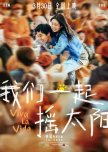
A Heartbreaking Journey Through Love and Survival
Viva La Vida wastes no time immersing viewers in its emotional core, opening on an incredibly heavy and heartbreaking note. From the very beginning, the film introduces Ling Min and the harsh reality of her life as a 24-year-old woman suffering from kidney failure. Through scenes documenting her daily struggles, hospital visits, and emotional exhaustion, the audience quickly understands the severity of her condition. Ling Min records a video out of desperation, hoping her story can help her find a solution and ultimately allow her to live a normal life free from constant suffering.
One of the film’s strongest aspects is how it contrasts Ling Min’s pain with the seemingly ordinary lives of those around her. A particularly impactful moment features a mother and son repeating the phrase, “We live in a beautiful city. We have a perfect life. We should be thankful and grateful for our daily life.” This scene beautifully reinforces one of the film’s central themes: you never truly know what struggles another person may be facing behind closed doors. While the world continues moving normally around them, people suffering silently are often forced to put on a façade and pretend everything is okay.
The introduction of Lü Tu brings a refreshing comedic energy that helps balance the film’s otherwise heavy emotional tone. His personality sharply contrasts with Ling Min’s, and the film uses this difference intentionally to highlight their opposing outlooks on life. Their interactions feel natural and meaningful, showing how two completely different people can still form a deep emotional connection under unusual circumstances.
What makes their relationship especially compelling is how gradually and beautifully it develops throughout the story. The film carefully portrays the growing closeness between Ling Min and Lü Tu, emphasizing their care and devotion toward one another in subtle but heartfelt ways. Much of this emotional warmth comes from Lü Tu, whose affection and sincerity are consistently touching. Given Ling Min’s circumstances and emotional burdens, it makes perfect sense that she takes longer to fully open her heart, which ultimately makes the emotional payoff even more satisfying and impactful.
The film also delivers a raw and painfully honest portrayal of the emotional toll that comes with waiting for an organ donor match. It captures the fear, uncertainty, heartbreak, and emotional exhaustion experienced not only by patients, but also by the people who love them. Even routine treatments are presented with a sense of emotional weight, making every moment feel significant. The journey both characters endure after falling in love, while simultaneously wanting what is best for one another, is handled with great care and emotional maturity.
The performances from both leads are excellent, bringing authenticity and vulnerability to their roles. Their chemistry feels genuine, allowing the emotional moments to resonate even more deeply. Combined with strong writing, the film successfully delivers its themes about love, sacrifice, illness, and the fragility of life.
As expected, the cinematography is stunning. Chinese cinema continues to excel at capturing emotion through visual storytelling, and Viva La Vida is no exception. The film uses beautifully composed shots, meaningful visual symbolism, and well-written dialogue to strengthen its emotional impact. The soundtrack is equally impressive, enhancing both the heartbreaking and tender moments throughout the story without ever feeling overwhelming.
Overall, Viva La Vida is a beautifully heartbreaking film about illness, emotional struggle, human connection, and discovering love in the midst of pain.
One of the film’s strongest aspects is how it contrasts Ling Min’s pain with the seemingly ordinary lives of those around her. A particularly impactful moment features a mother and son repeating the phrase, “We live in a beautiful city. We have a perfect life. We should be thankful and grateful for our daily life.” This scene beautifully reinforces one of the film’s central themes: you never truly know what struggles another person may be facing behind closed doors. While the world continues moving normally around them, people suffering silently are often forced to put on a façade and pretend everything is okay.
The introduction of Lü Tu brings a refreshing comedic energy that helps balance the film’s otherwise heavy emotional tone. His personality sharply contrasts with Ling Min’s, and the film uses this difference intentionally to highlight their opposing outlooks on life. Their interactions feel natural and meaningful, showing how two completely different people can still form a deep emotional connection under unusual circumstances.
What makes their relationship especially compelling is how gradually and beautifully it develops throughout the story. The film carefully portrays the growing closeness between Ling Min and Lü Tu, emphasizing their care and devotion toward one another in subtle but heartfelt ways. Much of this emotional warmth comes from Lü Tu, whose affection and sincerity are consistently touching. Given Ling Min’s circumstances and emotional burdens, it makes perfect sense that she takes longer to fully open her heart, which ultimately makes the emotional payoff even more satisfying and impactful.
The film also delivers a raw and painfully honest portrayal of the emotional toll that comes with waiting for an organ donor match. It captures the fear, uncertainty, heartbreak, and emotional exhaustion experienced not only by patients, but also by the people who love them. Even routine treatments are presented with a sense of emotional weight, making every moment feel significant. The journey both characters endure after falling in love, while simultaneously wanting what is best for one another, is handled with great care and emotional maturity.
The performances from both leads are excellent, bringing authenticity and vulnerability to their roles. Their chemistry feels genuine, allowing the emotional moments to resonate even more deeply. Combined with strong writing, the film successfully delivers its themes about love, sacrifice, illness, and the fragility of life.
As expected, the cinematography is stunning. Chinese cinema continues to excel at capturing emotion through visual storytelling, and Viva La Vida is no exception. The film uses beautifully composed shots, meaningful visual symbolism, and well-written dialogue to strengthen its emotional impact. The soundtrack is equally impressive, enhancing both the heartbreaking and tender moments throughout the story without ever feeling overwhelming.
Overall, Viva La Vida is a beautifully heartbreaking film about illness, emotional struggle, human connection, and discovering love in the midst of pain.
Was this review helpful to you?


