
 K-Drama




This review may contain spoilers
Great Series Despite some Flaws
My rating is 9/10
Review
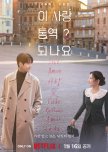
Can This Love Be Translated? is a very good romance with a unique twist on a mental health aspect. It is well acted, tugs at your emotions, and has a satisfying end. There is a lot of chemistry between the leads, and the pace of the love story is believable. Many other reviewer also highlighted the natural, strong chemistry between Kim Seon-ho and Go Youn-jung as one of the show’s biggest strengths, noting how it elevates the emotional core. I would recommend this one, might watch it again in the future, and do not think there are any major flaws that would lessen enjoyment. The performances, especially Go Youn-jung’s dual work, and the overall emotional payoff keep it highly rewatchable for fans of thoughtful, heartfelt romances.
For a series about translating, it was pretty amazing when there were whole scenes of dialogue between Joo Ho-jin (main guy) and Cha Mu-hee (main girl) where their conversation did not lead to the conclusion they drew. Like they had this discussion at one point and it was like “oh we’re together now,” and I was like how did they get that out of what they just said?And there was a time he broke up with her because of something she said, but myself and my daughter watching with me had no idea what she had said that upset him so much. And it wasn't just he didn't get that damaged side of her it was really just the words they said to each other did not add up to what they both took away from it. Some other viewers have also noted the frequent misunderstandings and “lost in translation” moments as both a thematic strength and occasional source of frustration in the pacing.
This is definitely a “she fell first but he fell hard” story. Mu-hee was lazer focused on Ho-jin from very early on. Even when he was somewhat mean to her to drive her away. But, once Joo Ho-jin understood Cha Mu-hee and decided he liked her, he was completely all in.
The other thing I really did not like was the 2nd romance. It made absolutely no sense. The first time we really see them together it was as if they had interacted before, so their sudden liking of each other was confusing. It didn't help that I never liked that 2nd female character (Shin Ji-seon). The way she played the two brothers’ hearts. The way she rejected the older brother because of what seemed like one conversation she didn’t like where he did not seem that excited about the wedding. I thought her relationship with Cha Mu-hee (main girl)’s manager (Kim Yong-woo) was way too soon. He was essentially a rebound relationship. And what did he see in her? I never understood it. A number of other reviewers have similarly found the secondary couple underdeveloped or sudden, with some feeling it lacked organic buildup compared to the main pairing, while a few appreciated it as a lighter contrast. But me and my daughter who watched with me - just did not have any positive feeling for that 2nd couple. I felt irritated every time they got screen time.
Speaking of Kim Yong-woo, he was surprisingly unmanager-like. He basically left Cha Mu-hee (main girl) to her own devices most of the time. He was a parachute hire—basically got the position because he was part of the family that owned the management company. So he wasn't a seasoned manager but even just by observing other managers around him (like Hiro Kurosawa’s manager), he should have been more hands-on.
It was a huge surprise that this wound up being a little about multiple personality disorder (I know they don’t call it that anymore, but that is what I learned when I had my psychology training). But I seriously did not like it when that character wound up being her mother. Who supposedly looked identical to her. It made more sense it was something she created to deal with the trauma. Since the other personalities are typically versions of the person with the disorder they would naturally envision versions of themself. It did not have to be some osutside character. And why have her parents live? That was a weird writing choice. They lived but her father never wanted to see her and her mother went somewhere and the father knows despite the fact she tried to kill him. And then Cha Mu-hee (main girl) goes and sees her. Why? Who would go see a mother who tried to poison them? And we don’t even get to know what happened in that interaction—she is just back. Many reviewers have mixed feelings on the Do Ra-mi reveal and the trauma backstory. Some praised Go Youn-jung’s powerful dual performance and the mental-health exploration as a clever, accessible device, while others found the late pivot to some weird connection with her mother illogal. I found it jarring, abrupt, and tonally inconsistent with how that character was built earlier on. That said, Cha Mu-hee (main girl) showed huge growth. Integrating her second personality on her own was impressive—something that usually takes intense psychological help from someone experienced with dissociative disorders.
The Aunt and Uncle were just horrible, and I was glad Joo Ho-jin (main guy) called them out for their treatment of her. It was like all the blame for the incident was placed on the innocent child. The parents just went off and did their thing and the child was treated like she had done something wrong.
I liked Hiro Kurosawa. In the beginning he was just straight-up mean—the balloon thing was a cruel trick, and she hadn’t done anything to him to deserve it. Of all the characters, he seemed to have the most emotional growth. I would have been okay if Cha Mu-hee (main girl) wound up with him, although it made sense she wound up with Joo Ho-jin (main guy). Joo Ho-jin (main guy) knew all about her and accepted her anyway. But Hiro was part of what gave Mu-hee more confidence.
I like the way Ho-jin talked to Do Ra-mi like a separate person after he figured out what was going on. He credited Do Ra-mi with helping him understand Mu-hee to the extent he said “since we are going to break up anyway.” But, because of that, it made the seperation trope disappointing and the fact that there wasn’t something more permanent for them in the end.
I liked that Mu-hee was the bridge between Ho-jin and his mother. It reflected how much she loved and understood him that she was able to mend that relationship.
But what was it in this show with older women and younger men? His mother with the younger guy and then the 2nd romance was an older woman and a younger guy. Were they trying to scratch some cougar itch fantasy? I think age-gap romances in that direction rarely work. I think it is hard for most women not to see younger men as son-like. I don’t know. You just don’t see it a lot but it was a lot in this series. It felt really unnecessary and the fact that it was two couples in the show was a bit strange. Like they were trying to make a point.
I loved the Do Ra-mi character. The zombie movie she was in looked like a show that would be an enjoyable watch. Loved that Hiro Kurosawa nicknamed her zombie. It was like he saw that part of her that was Do Ra-mi. His ego was definitely taken down some notches and he became more likable from his interactings with Do Ra-mi blended with Mu-hee. That is what was interesting. Usually around him she was a blend and never fully one or the other.
Loved that it seems Hiro and Mu-hee remained friends. And thought that was really cute. Because he fell in love with her despite the language barrier. Other reviewers have also frequently praised Do Ra-mi as a standout—calling Go Youn-jung’s portrayal electric, chaotic, and scene-stealing—and appreciated Hiro’s growth into a genuine friend rather than just a rival.
One thing that felt underdeveloped was the reality show they were filming. It didn’t act a whole lot like either of them were big stars, even though they both were. I also felt we didn’t get any real emotional payout regarding her career. Did the reality show elevate Cha Mu-hee (main girl)’s career? Did it help break the zombie stereotype and open up other roles for her? We see Hiro Kurosawa extending into an action role, but nothing really about her progression.
Even with these flaws it remains, overall, a strong, emotionally rich watch that sticks with you. It gave me serious "Heal Me, Kill Me" vibes and I loved that show too.
Review
Can This Love Be Translated? is a very good romance with a unique twist on a mental health aspect. It is well acted, tugs at your emotions, and has a satisfying end. There is a lot of chemistry between the leads, and the pace of the love story is believable. Many other reviewer also highlighted the natural, strong chemistry between Kim Seon-ho and Go Youn-jung as one of the show’s biggest strengths, noting how it elevates the emotional core. I would recommend this one, might watch it again in the future, and do not think there are any major flaws that would lessen enjoyment. The performances, especially Go Youn-jung’s dual work, and the overall emotional payoff keep it highly rewatchable for fans of thoughtful, heartfelt romances.
For a series about translating, it was pretty amazing when there were whole scenes of dialogue between Joo Ho-jin (main guy) and Cha Mu-hee (main girl) where their conversation did not lead to the conclusion they drew. Like they had this discussion at one point and it was like “oh we’re together now,” and I was like how did they get that out of what they just said?And there was a time he broke up with her because of something she said, but myself and my daughter watching with me had no idea what she had said that upset him so much. And it wasn't just he didn't get that damaged side of her it was really just the words they said to each other did not add up to what they both took away from it. Some other viewers have also noted the frequent misunderstandings and “lost in translation” moments as both a thematic strength and occasional source of frustration in the pacing.
This is definitely a “she fell first but he fell hard” story. Mu-hee was lazer focused on Ho-jin from very early on. Even when he was somewhat mean to her to drive her away. But, once Joo Ho-jin understood Cha Mu-hee and decided he liked her, he was completely all in.
The other thing I really did not like was the 2nd romance. It made absolutely no sense. The first time we really see them together it was as if they had interacted before, so their sudden liking of each other was confusing. It didn't help that I never liked that 2nd female character (Shin Ji-seon). The way she played the two brothers’ hearts. The way she rejected the older brother because of what seemed like one conversation she didn’t like where he did not seem that excited about the wedding. I thought her relationship with Cha Mu-hee (main girl)’s manager (Kim Yong-woo) was way too soon. He was essentially a rebound relationship. And what did he see in her? I never understood it. A number of other reviewers have similarly found the secondary couple underdeveloped or sudden, with some feeling it lacked organic buildup compared to the main pairing, while a few appreciated it as a lighter contrast. But me and my daughter who watched with me - just did not have any positive feeling for that 2nd couple. I felt irritated every time they got screen time.
Speaking of Kim Yong-woo, he was surprisingly unmanager-like. He basically left Cha Mu-hee (main girl) to her own devices most of the time. He was a parachute hire—basically got the position because he was part of the family that owned the management company. So he wasn't a seasoned manager but even just by observing other managers around him (like Hiro Kurosawa’s manager), he should have been more hands-on.
It was a huge surprise that this wound up being a little about multiple personality disorder (I know they don’t call it that anymore, but that is what I learned when I had my psychology training). But I seriously did not like it when that character wound up being her mother. Who supposedly looked identical to her. It made more sense it was something she created to deal with the trauma. Since the other personalities are typically versions of the person with the disorder they would naturally envision versions of themself. It did not have to be some osutside character. And why have her parents live? That was a weird writing choice. They lived but her father never wanted to see her and her mother went somewhere and the father knows despite the fact she tried to kill him. And then Cha Mu-hee (main girl) goes and sees her. Why? Who would go see a mother who tried to poison them? And we don’t even get to know what happened in that interaction—she is just back. Many reviewers have mixed feelings on the Do Ra-mi reveal and the trauma backstory. Some praised Go Youn-jung’s powerful dual performance and the mental-health exploration as a clever, accessible device, while others found the late pivot to some weird connection with her mother illogal. I found it jarring, abrupt, and tonally inconsistent with how that character was built earlier on. That said, Cha Mu-hee (main girl) showed huge growth. Integrating her second personality on her own was impressive—something that usually takes intense psychological help from someone experienced with dissociative disorders.
The Aunt and Uncle were just horrible, and I was glad Joo Ho-jin (main guy) called them out for their treatment of her. It was like all the blame for the incident was placed on the innocent child. The parents just went off and did their thing and the child was treated like she had done something wrong.
I liked Hiro Kurosawa. In the beginning he was just straight-up mean—the balloon thing was a cruel trick, and she hadn’t done anything to him to deserve it. Of all the characters, he seemed to have the most emotional growth. I would have been okay if Cha Mu-hee (main girl) wound up with him, although it made sense she wound up with Joo Ho-jin (main guy). Joo Ho-jin (main guy) knew all about her and accepted her anyway. But Hiro was part of what gave Mu-hee more confidence.
I like the way Ho-jin talked to Do Ra-mi like a separate person after he figured out what was going on. He credited Do Ra-mi with helping him understand Mu-hee to the extent he said “since we are going to break up anyway.” But, because of that, it made the seperation trope disappointing and the fact that there wasn’t something more permanent for them in the end.
I liked that Mu-hee was the bridge between Ho-jin and his mother. It reflected how much she loved and understood him that she was able to mend that relationship.
But what was it in this show with older women and younger men? His mother with the younger guy and then the 2nd romance was an older woman and a younger guy. Were they trying to scratch some cougar itch fantasy? I think age-gap romances in that direction rarely work. I think it is hard for most women not to see younger men as son-like. I don’t know. You just don’t see it a lot but it was a lot in this series. It felt really unnecessary and the fact that it was two couples in the show was a bit strange. Like they were trying to make a point.
I loved the Do Ra-mi character. The zombie movie she was in looked like a show that would be an enjoyable watch. Loved that Hiro Kurosawa nicknamed her zombie. It was like he saw that part of her that was Do Ra-mi. His ego was definitely taken down some notches and he became more likable from his interactings with Do Ra-mi blended with Mu-hee. That is what was interesting. Usually around him she was a blend and never fully one or the other.
Loved that it seems Hiro and Mu-hee remained friends. And thought that was really cute. Because he fell in love with her despite the language barrier. Other reviewers have also frequently praised Do Ra-mi as a standout—calling Go Youn-jung’s portrayal electric, chaotic, and scene-stealing—and appreciated Hiro’s growth into a genuine friend rather than just a rival.
One thing that felt underdeveloped was the reality show they were filming. It didn’t act a whole lot like either of them were big stars, even though they both were. I also felt we didn’t get any real emotional payout regarding her career. Did the reality show elevate Cha Mu-hee (main girl)’s career? Did it help break the zombie stereotype and open up other roles for her? We see Hiro Kurosawa extending into an action role, but nothing really about her progression.
Even with these flaws it remains, overall, a strong, emotionally rich watch that sticks with you. It gave me serious "Heal Me, Kill Me" vibes and I loved that show too.
Was this review helpful to you?


