

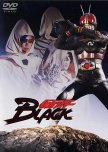
-Kotaro is a really likeable protagonist.
-This show is the closest thing to a Kamen Rider show actually retaining the atmosphere/tone of the first arc of the 1971 show for the entire season.
-Shadow Moon is a great villain.
-One of the best final arcs in the franchise.
-Consistently great action and direction.
-The show does a great job at making Gorgom feel like menacing villains with its cases of the week.
-Great villains and characters of the week for the most part.
Everything the show did bad:
-Other than Shadow Moon the main villains are pretty generic most part. The High Priests aren't really interesting until the final arc. Bilgenia is slightly more interesting than them but he isn't that remarkable of a rival.
-The show's sidecast: Katsumi and Kyoko, take too much of backseat throughout most of the show and mostly serve to take care of the characters of the week rather than actually developing as characters. This alongside the villain problem really drag the show down prior the final arc.
Reasons for the show's strengths:
Despite the show changing producers during its pre-production, the rest of the show's production went really smoothly for the most part. The show trying to be a soft reboot that returns to form but also tries thing a really different way, and having learned from the other time they tried to reboot the franchise with Skyrider, resulted in a show with a darker tone a really unique aesthetics. The staff went all out on the show's first episode taking a whole month to film, which really set the show's atmosphere and how it would be from that point onward.
Reasons for the show's problems:
Due to the staff wanting to keep Kotaro's identity secret + having the characters of the week be the main focus of the episodes in order to show how much a menace Gorgom was resulted in the sidecast getting shafted. Also main writer Shozo Uehara not writing that many episodes resulted in the villains not being as interesting.
Overall:
I feel most people would give this show an 8 due to the show's atmosphere and action being amazing. But the issue with everyone in the cast not being that interesting besides the protagonist Kotaro until the final arc made me lower it down. Still this is a great show and has one of the best final arcs in the franchise so I recommend this show of you're a Tokusatsu fan.
Was this review helpful to you?
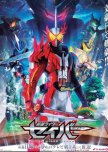
-By the end of the show every main character besides Sabella and Durandal is likeable.
-From the second quarter onward the show has consistently amazing battle choreography. The show really gives each character a really distinct and nuanced swordsmanship.
-One of the best final arcs/quarters of the franchise.
-The final main antagonist is entertaining and the reasoning behind his actions make sense.
-Really great lore and world-building.
-Slightly better acting than usual Rider shows.
-The bubbles aesthetic the show uses to portray the fantasy setting looks great.
-The show's exceeds at slice of life/human drama elements which really make you care for the cast and results in really emotional moments.
-Really great fantasy soundtrack.
Everything the show did bad:
-One of the worst first arcs/quarters in the franchise. The beginning tries to do too much for its runtime, which is made worse because the episodes has less content than an usual rider show due to having: an ending theme, stock transformations and longer recaps. This makes the show feel cluttered and it affects the action as it occasionally cuts earlier. Other aspect that makes the action worse during this arc is that the protagonist who gets most of the screentime mostly relies on bad-looking CGI magic rather than actual swordsmanship like the other riders.
On top of all of these issues said arc is incomplete due to not being able to film properly thanks to covid, so in order to get the full picture of the show, one must watch the Swordsmen Chronicles spin-off alongside the arc to enjoy the show better. Because if one doesn't watch the spin-off: Kento's actions seems dumber, one won't understand Buster and Slash relationship, why Slash wasn't being able to fight goes unexplained, Rintaro's character's inconsistent in the first arc, Rintaro would be the only one of the main quartet who doesn't have any relation to books and Rintaro actions later in the show lack weight.
The only consistent good thing in the first arc are its slice of life elements which are really well done and make pretty much every major character likeable in the beginning with the exception of Touma who's really generic and Ren who remains a jerk.
However after episode 15 the show improves drastically as it starts having better pacing, Touma starts getting an actual character and gets tons of development, Yuri who's one of the show's best characters gets introduced and Touma goes trough a training arc and learns how to use proper swordsmanship which does wonders for the choreography.
-Ren remains unlikeable until the final arc because we aren't told his backstory until then. However it felt like there wasn't any actual reason to withhold his backstory for so long.
-Sabella and Durandal remain kinda unlikeable for the whole show (which is weird considering they are really likeable in all of the show's spin-offs and specials, some of which aired during the show).
-A lot of times it feels like the cast forgets that Sophia exists which feels out of character.
-While all the main villains are entertaining, it feels like a lot of them die just when they were getting interesting.
-The monster of the week aspect in the first half is kinda hit or miss.
-Episodes 34~38 where the movie villain Falchion gets introduced into the show, return to the hectic pacing and weird editing of the first arc. (If you're worried about watching the short movie, it's just a fight and Bacht's backstory isn't actually explained, you can go into this show without watching and the show summarizes it pretty well anyway).
-It felt like the show could have further explored Ren, Yuri and Bacht backstories.
-The mix and match power mechanics are underutilized.
-Despite the final main antagonist being entetaing, having a cool fighting style and their whole rationale making sense. It's extremely difficult to take him seriously due to the actor overplaying his villain voice in the final arc.
Reasons for the show strenghts:
Producer Kazuhiro Takahashi is great at coming up with unique concepts. Main writer Fukuda is excellent at writing human drama and making you care for the characters, he's also a really great lorist. A lot of episodes are written by Keiichi Hasegawa who knows who to up the stakes and make characters likeable. The Reiwa strategy to storyboard fights continues to do wonders for the action.
Reasons for the show flaws:
The show originally had a darker, more interesting premise where Touma was vagabond who trained by himself to be a swordsman ever since he was a kid in order to save Luna, as he opposes both Sword of Logos and the megido but ultimately learns how to work alongside the organization, with a tone closer to Kamen Rider Kabuto. However due to Covid, Toei requested that shows of the super hero time segment of that year to be more light in order to cheer people up.
Covid made it so that the show couldn't have characters of the week in the beginning so to compensate the producer made Kamen Rider Kenzan, Buster and Slash appear earlier, how the show still needs to shill toys so he replaced what would have been Saber's alternate weapons with their transformation devices. This meant that the characters would be introduced earlier making the show feel bloated while also not being able to do a proper introduction since they need to add a new form for Saber the same episode they are introduced.
Since it was possible that Saber could enter a hiatus like Zero-One, the producer impromptuly came up with the character Tassel, a narrator that would do longer recaps so that people don't feel lost in the plot. Originally the v.a. who voiced the transformation device was supposed to be the narrator.
The producer shoehorned a combo mechanic and a dragon motif instead of being just books/arthurian legend like it was initially supposed to due to OOO and Agito's anniversary respectively.
The producer barely allowed main writer Fukuda to actually write episodes and he basically mostly served as the show's lorist and the writer for the Kento and Ren focus episodes. This wasn't that bad since secondary writer Hasegawa is great, but Fukuda writing more episodes could have resulted in the show feeling more unique.
Overall:
If you care more about a show being consistent then this show will probably be a 6/10, if you value acting, writing and direction overall then it would probably be a 7. This show definitely does more good than bad and after the initial bad arc improves drastically and ends up with one of the best final arcs in Kamen Rider. However having to stomach the first 15 episodes + having to watch the Swordman Chronicles alongside it is a big turn-off, especially since it's not like the show's perfect after episode 15 as it has quite a lot of nitpicks plus episodes 34~38 have a similar feel to the first arc. But at the very least it's mostly an enjoyable time, personally really like the themes and characters which is why I'm giving it an 8 and as of 2024 it's the Reiwa rider show with the best plot so far.
Was this review helpful to you?
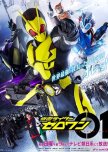
-Most of the cast is consistently likeable.
-The action is consistently amazing and some of the franchise's best.
-The case of the week each focusing on a different humagear helps the world-building and makes it feel more a alive and concise.
-The concept behind the main antagonist is really interesting and of the franchise most unique, which also leads to one of the most 'different' final arcs in this franchise.
-First quarter of the show is consistently really great.
-Amazing soundtrack.
-Izu is one of the best main girls the franchise ever had.
-Interesting depiction of A.I. when compared to other attempts in media.
-One of the best final fights in the franchise.
Everything the show did bad:
-The show's second arc is kind of mediocre. While the humagears are mostly still enjoyable and everything relating to the character Fuwa is well done and really interesting, the arc's main antagonist Gai Amatsu is really bad and the new monster of the week introduced the raiders are very hit or miss.
Essentially the show tries to play off Gai as this evil mastermind but barely any of his plans are actually intelligent and generally makes the cast feels dumber than they actually are. The raiders are mostly made to be completely unlikeable which feels like a step down from the first arc. Also the show shifts from cases of the week to two-parters which would work if they were actually doing something interesting with this format, but for the most part it just slows down the pacing for the worse since it's mostly doing this for the raiders.
-The one time a humagear of the week is seemingly legitimately evil (which also happens in the second arc) it's barely actually explained or acknowledged by the hero cast which comes of as weird and hypocritical to the show's message.
-Gai Amatsu's main goal is pretty boring.
-There's a character redemption during the third arc that feels really cheap, especially because it happens the episode after we're shown the character is even more irredeemable than it originally seemed.
-Yua Yaiba not having backstory hurts her character and makes here less interesting than most of the cast despite not being a bad character overall.
-The show lacks slice of life scenes to further the cast relationships and show more of their interactions.
-Plot points like Aruto's father and grandfather, while not overly necessary for the plot, they are relegated to the movie Reiwa First Generation. And even then, it doesn't properly explains some of his grandpa's actions. (Highly recommend watching the movie if you liked the show, it's really great).
-Characters like Naki, Raiden and Jun get heavily shafted. Granted this was mostly due to covid reducing the episode count.
-The show has a lot of dropped plot-points due to the covid rewrite. This forces one to watch the Project Thouser special in order to get all the answers, which makes the show feel incomplete, at least one can watch them after the show with little issue without breaking the show's pacing.
-Despite the pretty amazing final arc and final fight, the finale kind of turns Aruto into an hypocrite and makes the hunagears feel more negative than positive which makes it feel like the show ended on a whimper. The sequel movie RealxTime kind of fixes this but it sucks that one has to watch a movie in order to get a proper emotional closure for the show.
-After Fuwa's character arc is resolved in the second arc, he kind of gets relegated to comedy character that doesn't have much to do with the actual plot. I personally didn't mind this because he remained enjoyable from start to finish and kept having cool moments, plus I didn't feel these moments erased all his character development. But I've seem some people finding issue with this so felt like pointing it out.
Reasons for the show strenghts:
In order to differentiate the Reiwa era from Heisei, from this point onward the franchise decided to storyboard its fights which did wonders for the action. Producer Omori wanted to make a more unique world which led to the idea of the Humagears. Main writer Yuya Takahashi excels and making a fast paced show which led to an amazing first quarter. Due to covid-19 causing a hiatus and reducing the episode count, main producer Omori gave main writer Yuya Takahashi complete creative freedom for the final arc, which resulted in one of the most interesting and different ones of the franchise and made the main antagonist more unique.
Reasons for the show flaws:
Due to this being a milestone show, Omori decided to take fan feedback in order to make the show better but this pretty much caused most of the show's issues. First Metsubojinrai was only supposed to have 2 members but since a lot of people theorized that it had 4, he forced the creation of new two members, this really helped Fuwa's character arc.
The second change was that since the humagear of the week had such a positive feedback, he came up with the idea to delay the 'Hiden Manufacture' plot-line which would have been the start of the second arc and make it happen in the third arc. This was so that the show wouldn't have such a massive change of status quo so quickly, in order to realize this he came with the idea of a job competition arc and have new humagears appear alongside the raiders, however but him and Takahashi struggled to make this idea interesting which led to the problems with the second arc.
After said arc there was a lot of negative feedback for one of the show's villains, this resulted in Omori requesting a redemption however for some reason the staff decided to keep most of his evil deeds in the third arc which made this redemption make less sense, also the redemption itself was sloppily written. This redemption was originally supposed to have negative connotations, however covid-19 ended up reducing the episode count which led to the final arc being rewritten and said plot point being dropped which made the redemption feel even cheaper. The rewritten final arc only focused on the most important characters which led to the two members of Metsubojinrai being shafted and also leaving bunch of plot points open and forcing a rewrite for the part two of Project Thouser in order to close them. The hypocritical ending apparently was always planned from. The beginning for some reason, so the virus delaying RealxTime actually helped the movie be even better. Also Yua Yaiba backstory was cut for unspecified reasons, I assume for pacing reasons it was moved from the 3rd arc to the final but then was removed when the covid rewrite. I've seen some people argue that it was because it was too dark, but even post-earthquake OOO was darker so I doubt that, either way her backstory ended up being included in the Zero-One Others spin-off.
Also just a general flaw of Takahashi's writing is that he tends to run out of ideas for the secondary rider and due to his breakneck-paced style of writing his characters don't get enough downtime to have proper slice of life moments.
Overall:
The show is an enjoyable show overall but very heavily flawed. While the first and last quarter are mostly amazing, the show's middle drags a lot, the ending does a lot of harm to the main protagonist character and the show overall feels incomplete due to Project Thouser being necessary to close off the plot points and RealxTime to get proper emotional closure. That said the show has ton of interesting ideas and a mostly likeable cast which leads to most of the show being fun. Also Project Thouser, Reiwa First Generation and RealxTime are good specials so if you liked the characters and concepts it's pretty much a must-watch and builds upon the show's ideas. Just, under no circumstances, watch the Zero-One Others duology, as it ruins the RealxTime ending, has surprisingly poor direction and action and the AIMS one is generally considered to be one of the worst movies in the franchise. The show probably deserves a lower rating like 6 but I liked its concepts enough to give it a 7.
Was this review helpful to you?
This review may contain spoilers
Mild spoilers ahead:
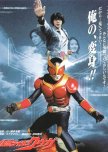
Everything the show did well:-Every character in the hero cast is likeable and useful.
-Villains are menacing and feel like a real threat.
-Consistently amazing action and stunts.
-Properly ups the stakes with each following arc.
-Solid world-building.
-Great balance between a light cop J-Drama, slice of life, tokusatsu action and horror from lovecraftian-like serial killers.
-One of the best final fights in the franchise.
-One of the best power systems in the franchise. Godai has all his powers from the beginning but doesn't know how to use them due to getting them with no context, having him to practice his powers and his friends to decipher glyphs explaining the lore and the powers of the arcle to properly know how to use them
-The world has a more 'real' feel than other rider shows.
-The cops manage to continously feel useful and keep up with Kuuga despite him being the only one with transformation powers.
-The cop partner relationship of Ichijou and Godai is really well done.
-Has good re-watch value due to the main villains having a different language.
-Better acting than most rider shows.
Everything the show did bad:
Honestly most of these are nitpicks.
-Due to wanting to make a lovecraftian villain that the viewer cannot properly understand, the main villain feels kind of plain as most of the destruction he causes happens off-screen and doesn't get a proper character. But despite this flaws he feels properly menacing.
-The shift from normal J-drama stuff to hardcore murder done by tribal monsters can be jarring at times. Especially in the Jean/Enokida episodes.
-The CGI feels really dated, but it is used sparingly and honestly CGI pretty much always looks bad on Toei's mainline toku with the exception of Hibiki, kinda King-Ohger and seemingly the upcoming rider show Gavv?
-The show being shot differently from any Toei toku which can feel alienating for toku fans but it's not really a bad thing just different.
-Having multiple scenes where you don't know what the characters are saying can be tiring for some viewers.
Reasons for the show strenghts:
Kamen Rider creator before passing on wanted to make this show unlike any that preceded it. Ishinomori production recommended producer Shigenori Takatera to do so as well. This along a bunch of other factors resulted in this unique setting. Takatera and director Ishida really wanted actor Joe Odagiri to be Kuuga, and went with a more J-drama approach to its direction since it was what he preferred. Producer Takatera ideas often clashed with Takeyuki Suzuki's ideas but they ultimately managed to have a good balance of both. There's more factors but it would be to many to list, but overall Kuuga had a way different approach to previous shows and slightly more budget than usual which lead to the show being as great as it was.
Reasons for the show flaws:
The main writer Arakawa wanted to keep the details of the main antagonist vague in order to make him creepier, he succeeded in making him menacing but makes him a more boring antagonist when compared to other villains in the franchise.
Overall:
While not my personal favorite, I feel that this is objectively the closest to a perfect rider show. It just doesn't have any big issues. I would recommend the show to pretty much any Toku fan or even a cop drama fan that has never watched tokusatsu, since it's pretty much a cop drama with superpowers. I could only see people not enjoying this show if they really despise a genki-type protagonist and the flow of a cop dramas.
Was this review helpful to you?
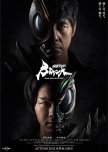
-Really cool action overall that feels very 'raw'.
-Prior the final episode, the majority of the cast is entertaining.
-Pretty good plot and setting overall.
-The rivalry between Kotaro and Nobuhiko is entertaining overall.
-Really cool world-building.
-With the exclusion of the final episode, the show manages to be consistently entertaining.
Everything the show did bad:
-One of the worst finales this franchise has ever had. The last 10 minutes of the show somehow manages to ruin most of the cast, especially Aoi and ruins most of the set-up the show had done up to that point. The finale comes off as the characters just being really dumb and out of character suddenly to make the finally unnecessarily bleak. This personally made the show feel like a waste of time in spite of me really enjoying the show prior those last 10 minutes or so.
-The character played by the ex-rapper of ALI Jua feels really out place despite being a kinda likeable character overall. His overall personality feels like it doesn't fit with the show's tone and his actions don't really make much sense considering his backstory.
-Some of the political elements of the show feel kind of out of place at times and kind of disconnected from the show's messages.
-Some characters feel unnecessarily scummy at times due to their lack of backstory.
-While the cast is indeed likeable overall prior to the finale, they really aren't anything that amazing or stand-out.
There isn't enough info on the production to know why the show ended this way. There's rumors that Amazon Prime, the platform on which this show was released, requested the political elements in the show and that the weird ending was done as a sequel hook. But all of this info is unconfirmed and currently there's no way to know.
Overall:
I could see people giving this show a 6 or even a 7 due to the show being enjoyable for the most part but I just don't feel right recommending this show due its horrible finale, especially when there are far better tokusatsu and action horror shows out there. I can only recommend this if you're really starving for an action horror show since that aspect is done particularly well in this show or if you're a Kamen Rider completionist, just be prepared for an awful finale.
Was this review helpful to you?
This review may contain spoilers
Mild spoilers ahead:
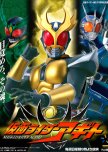
Everything the show did well:-Really entertaining cast all around.
-One of the most interesting main antagonists in the franchise.
-The main trio of riders all feel like they're the main protagonists respectively. Shifting perspectives between the three helps keep the show interesting from beginning to end + explore different philosophies as to what would happen if humanity was given superpowers.
-Each Rider has a really distinct fighting style + looks very visually distinct of each other while feeling that they are from the same show.
-One of the most unique stories in the franchise
-Lots of cool stunts.
-The majority of the non-transformable characters feel really useful, especially the main girl Mana and Ozawa.
-The show's mysteries are legitimately intriguing.
-The concept behind the Akatsuki passangers are legimetely interesting.
-This show's villains 'The Lords' feel really menacing.
Everything the show did bad:
-It feels like the only purpose of Taichi (the kid that lives with the main cast) is to stall the answers to the mysteries by being a brat, which feels like cheap writing.
-The mini-arc focused on Aki Sakaki (15-21, 25). She might be the biggest harlot/slut in the franchise. She just comes off as generally unlikeable, the show expects to believe she's in love with Ryo which is almost impossible to believe considering her actions. Her arc introduces the only seemingly dropped plot-point in the show, as it seemed like it was setting up an explanation as to why Taichi doesn't have a mom which is never explained by the end. It just feels like to whole reason she existed was to be a cheap way to create conflict between Shoichi and Ryo.
-The 5-parter finale of the show is kind of bad. It introduces a new side character for each of the main trio, introducing 3 new characters in the last 5 episodes of the show makes it almost impossible to care for them. During these 5 episodes the Agito side is the only good perspective, as it's the only that actually closes a remaining plot-point/mystery and manages to make you care for Kana Okamura. The Gills side is just more suffering for him which felt unnecessary by this point. The G3 side was the worst of the 3, the new character from that perspective, Naozumi Shirakawa sucks even if he's played by the fantastic actor Yutaka Hirose, this 5-parter also ruins Hojo's and Omuro's characters. On top of that, the main antagonist final plan is unnecessarily conveluted and feels out of character when compared to his past actions.
-The titular rider Agito has one of the most boring powersets that a protagonist has had in this franchise.
-If you've watched Kuuga, do NOT expect the cops in this show to be anything similar.
Reasons for the show's strengths:
Producer Shirakura knows how to make the most use of Toshiki Inoue's writing style, they compliment each other extremely well. Shirakura wanted to allow Inoue creative freedom for the most part, so he allowed Inoue to not properly make a sequel to Kuuga. While this might be disappointing to some, this allowed the show to be an original story that allows Kuuga's great ending go untouched and ultimately allowed future entries in the franchise to be completely standalone like Super Sentai which allowed for the franchise to be really experimental and create some of the most unique and best Tokusatsu.
Reasons for the show's problems:
The show got extended for 5 more episodes, however Toshiki Inoue had already written the finale, this resulted in the script of episode 46 to be slightly reworked to not close all the plot-points but ultimately being the best fight in the show and feeling more like a final fight than the actual final one. Inoue had to impromptuly write theseast 5 episodes which resulted in them not having the same polish that the rest of the show did.
Inoue is also a really weird writer and likes telenovela-like plotlines which resulted in the Aki Sakaki plotline.
Overall:
The show is definitely weirder than most Rider shows which might not make it for everybody. But this season has the best mystery that I've seen in this franchise, plus the protagonist trio is really great and the shift between their perspectives help make the show feel fresh. This is also among the franchise's most unique. The biggest issue is the 5-part finale, and even then the actual ending of the show is good so it's not that big of a deal outside the character assassinations of Hojo and Omuro. Also don't go into the show excepting it to be like Kuuga because of the designs as it's very different. Overall I would definitely recommend this show if you're into mystery or want to see a really weird tokusatsu but not recommend it if you're really into continuity between other seasons.
Was this review helpful to you?
This review may contain spoilers
Mild spoilers ahead:
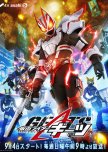
Everything the show did well:-Really likeable cast overall.
-Consistently amazing action and battle choreography, arguably the franchise's best.
-Great jazzy soundtrack.
-Really interesting twists and plot developments.
-Most the side Riders that only last one arc manage to be memorable and likeable.
-Aside from the main antagonist, while not really impressive the villains in the show all manage to be pretty memorable and likeable.
-Great final episode.
-The show has a lot of style to its direction.
-The gimmick of having the Riders participate in games makes every two-parter and battle really memorable and different from other tokusatsu.
-Extremely good use of form changes.
Everything the show did bad:
-Girori and Ace's characters and acting feel kind of inconsistent at times.
-The show's writing quality drops in the second half. In the third quarter Keiwa barely gets to do anything and Neon does some really dumb decisions. In the last quarter the conclusion to both characters' arcs start and finish there, while their arcs make sense and were properly set up and foreshadowed in the first half, they happen so fast which makes their emotional weight lacking. The second half is also lacking due to the show having one of the most generic and forgettable main antagonist in the franchise.
-Despite the rest of the villains being individually likeable, there's too many of them around simultaneously to be properly developed.
-While Michinaga is a likeable character overall, the show tries to paint him as an anti-hero which doesn't really work since there was no way for him to know the truth behind his actions.
-The cast barely critizes Neon for her actions in the second quarter which makes a lot of the aspects of said arc feel like filler.
-The show feels overly critical of Keiwa's way of thinking. While he's extreme and naive, due to the nature of the deaths of the people he wants to revive it feels like there's hardly anything wrong with his goal, it's just his actions in the second half that's a problem. Yet even prior Keiwa's wrongdoings the show treats him like a punching bag and as if his goal is too naive despite making sense which makes Ace feels like an hypocrite at times.
-Hallelujah Win feels heavily sidelined.
-The world of the supporters/sponsors doesn't get explored enough and it's mostly just left to the 4 Aces movie.
-While not strictly necessary for the plot, a considerable amount of Hallelujah Win's and Niram's character development and world-building is left to the Kamen Rider PunkJack special.
-Tsumuri feels underdeveloped.
-The Riders motif feel pretty boring and basic compared to other seasons.
-The show has artificial humans as a plot point, which isn't a bad thing but since the 3 Takahashi Rider shows aired so close to each other it makes this plot point feel repetitive if you're watching the seasons in order.
Reasons for the show strenghts:
Main writer Yuya Takahashi learned from his past mistakes and actually did think the secondary rider character arc and gave the characters downtime for them to interact while still keeping his fast-paced style of writing. He made a really interesting setting.
Reasons for the show flaws:
Takahashi wanted to make too many villains simultaneously which made it so the villain cast isn't properly developed.
The staff didn't properly tell Ace and Girori's actors how their characters were supposed to be because they were afraid they would spoils plot points, so their characters are kind of inconsistent.
The show's toy manufacturer Bandai changed the show's second half for the worse due to delaying the cast upgrades. This resulted in Keiwa and Neon not getting much to do in the third quarter and their arcs concluding really fast without having proper weight. This also resulted in Hallelujah Win not being able to transform into Punkjack since they repainted his suit for Neon's arc but said repaint ultimately ended up being used in the final quarter rather than the third, making it so they weren't able to repaint it back on time. This rewrite also force them to change who the main antagonist was supposed to be, which resulted in the impromptu boring antagonist Suel.
Overall:
The show is the most 7/10 show in the franchise which makes it an excellent show for a beginner to Kamen Rider I guess. It's just great and interesting enough to get you watching but it has enough flaws to keep it from being a really great show so it will get you excited for other shows in the franchise. Overall pretty great show but not really a stand-out one.
Was this review helpful to you?
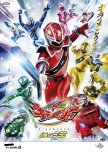
-Extremely likeable team and sidecast.
-Besides the main antagonist and kinda Yodonna, the villains in this show are consistently really great.
-The monsters of the week are really entertaining.
-Cool stylish fights on ground and decent mecha fights.
-The team tends to find pretty creative solutions to most problems.
-It feels like the show got the most use out of the team's powers.
-The rivalry between Juuru and Garza is well done.
-Great soundtrack that sounds pretty different from other tokus.
-The dynamic of the team having to balance being heroes and their professional life is really well done.
-Show gets the core of what Sentai is right, where the biggest obstacles should be resolved by learning how to be proper team.
-The progression of the team relationship feels natural.
-The focus of the team feels pretty balanced. The red ranger Juuru definitely has a bit more focus than the rest and blue a bit less than the rest, but for the most part every member, including the extra sixth ranger, gets proper development and no member feels like it was super shafted.
-The show manages to be pretty funny while having proper stakes.
-Slightly better acting than usual sentai.
Everything the show did bad:
-The show is a 'safe' Sentai show if that make sense. It doesn't do anything THAT unique, but it does enough as to not feel generic.
-Main antagonist, while it has an interesting backstory, feels properly powerful/menacing and has a cool final fight, ends up feeling kind of boring overall and gets heavily overshadowed by Garza.
-Yodonna while overall likeable feels very one-note.
-The vehicle partners of the team besides Fire are just kind of all right and not all that interesting.
-The Gekiranger crossover two-parter special is just kind of allright.
-Red Ranger Juuru's catchphrase can be kind of annoying at first but it gets dialed down pretty quickly luckily.
Reasons for the show strenghts:
Due to Sentai having continuous lacking sales since Ninninger, old promoted producers that aren't actually supposed to be producing these shows decided to step in to help. This resulted in Tsukuda producing Kiramager and Shirakura producing Zenkaiger and Donbrothers. Tsukuda wanted to make a 'safe' Sentai show, however unlike the producer duo in Ryusoulger, Tsukuda has a proper understanding on how to make a show like this. Main writer Naruhisa Arakawa is excellent at writing likeable characters and progressing the characters' powers while also making a concise world-building.
Reasons for the show flaws:
Due to being safe it doesn't come up as a super unique show and keeps it from being a top-tier show. That said it's easily the best 'safe' Sentai show I've seen so far.
Overall:
Would highly recommend this show as someone's first Sentai, as it kinda gives a general idea of the vibes this shows tend to have while also just being a really solid show. It being safe definitely drags it down a bit, but just 'a bit', it's otherwise a really great time. Reminder that if you're going to watch this show to watch the episode 0 before starting. It isn't strictly necessary for the plot but it helps set up the show's setting.
Was this review helpful to you?
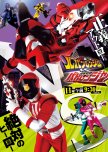
Kaitou Sentai Lupinranger VS Keisatsu Sentai Patranger
2 people found this review helpful
This review may contain spoilers
Mild spoilers ahead.
Everything the show did well:-The 6 Main Rangers are all very likeable characters.
-Battle choreography is consistently amazing.
-Very good cast of actors, the 7 rangers have ton of charisma.
-Pretty great soundtrack.
-The conflict between the Lupinrangers and Zamigo help their stakes feel real and make them more endearing.
-Some episodes can be pretty funny.
-The dynamic of having a kinda morally ambiguous team alongside a good-two shoes team is interesting.
-The show has lots of style that makes it stands out aestheticly from other Tokusatsu.
Everything the show did bad:
-While the overall cast is likeable, the show has favoritism towards the Lupinrangers. The Patrangers get shafted most of the show and barely get any upgrades. It ultimately ends up mostly wasting the dual team dynamic.
-The rivalry between the 2 teams feels very forced since it mostly stems from the Patrangers killing every monster they encounter rather than arresting them or even interrogate them which they only did twice in the show. This is especially grating if you've seen the other 2 cop Super Sentai where they actually arrest their monsters and only kill them if they've been properly judged. This overall makes the story feel very draggy.
-While the 7th ranger Lupin X has ton of charisma and it's pretty likeable initially, he fractures the already flawed team dynamic even further.
-Lupin X whole character arc and the truth behind Lupin comes off as kinda uninteresting since it feels very detached from the goal of the other rangers and the villains, plus it really never felt like something the other rangers would be opposed to him after the reveal. All of this ultimately makes him a pretty unlikeable character by the end.
-The villains are pretty boring for the most part because their actions feel very detached from their goal of world conquer as most monsters just do whacky low-scales crimes which makes the fact that the Patrangers don't arrest them feel even weirder. Again, this feels more unacceptable if you've seen other Sentai shows since a lot of them manage to make goofy monsters while also making them feel like a world-level threat. At least the writer got it right with her later show Zenkaiger.
-The villain generals barely get any backstory or even a chance to do something interesting after the first quarter.
-The main antagonist Dogranio despite having an entertaining personality, feels boring overall because he barely does anything on the show and we're only given his backstory at the very end and only via dialogue.
-While Kogure manages to do some interesting stuff with his disguises, him and the rest of the sidecast from both teams are mostly not relevant nor interesting.
-Despite LupinBlue being a likeable character overall, he isn't as likeable as the other five because the writer kind off sucks at writing a straight man character, but granted this is mostly a nitpick.
Reasons for the show's strengths:
Producer Utsunomiya wanted to make an even more different team dynamic than the one from Kyuranger. Action Director Hirofumi Fukuzawa wanted to make the show even more stylish than the previous cop Sentai Dekaranger, so he went more all out than usual. Main writer Junko Komura is really good at choosing lead actors for her script. The pilot made by Sugihara had a very cinematic feel, so the following directors had to keep the momentum of the first 2 episodes to make the show feel consistent.
Reasons for the show's flaws:
Main producer Utsunomiya was afraid that 2 teams would be alienating, so requested that the villains were closer to standard Sentai. There's nothing particularly wrong with this approach but main writer Komura did a really generic execution of this idea, which ultimately resulted in the monster of the week format being worse than usual. Also she has the issue of focusing on only a few characters which doesn't make that good of a fit for Sentai since it's a team-based series. On top of all that she probably focused more on the Lupinrangers because in an interview she said she was scared that the Patrangers would feel too similar to the other 2 previews Cop Sentai shows. Other possible reason for the show focusing more on the Lupinrangers was that according to Utsunomiya the reason why he chose Junko Komura again so soon was because prior the animal theme for Zyuohger he considered doing thieves (That's how he phrased in the interview but I assume more that he means that there was going to be a thief plot point in Zyohger since other interviews indicate that Komura was chosen after the animal theme which is usually the standard for writers in Toei Tokusatsu), so he wanted her to use some of the ideas she couldn't do. So maybe she had a lot of plans for the Lupinrangers due to this but not as much for the Patrangers.
Ultimately this show would result in Utsunomiya being demoted due to releasing two consecutive financial failures, while the show's quality was definitely a factor, most of the fault is on the toy designers making pretty bad toys rather than the show's staff which makes this feel kinda unfair.
Overall:
For everything this show did right, it felt like it did something wrong. The overall storyline comes off as boring past the first arc, and the cast focus is kind of muffled. However, the actual direction of the show is great and the main 6 cast members are really likeable which keeps the episodes from being straight up bad in spite of being dragged down by the villains. Overall, the show felt average to me, but if you like the characters enough I could see it being a good time for other people, just don't go in expecting the Patrangers to get the same level of treatment as the Lupinrangers nor a particularly deep plot.
Was this review helpful to you?
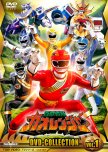
-Great hero cast that gets progressively more smug the more the show goes on.
-The main villain duo is extremely likeable and have really fun hijinks.
-The villain generals are all entertaining.
-Really great final battle.
-Great battle choreography on the ground fights.
-Lots of mecha variety keeps the giant battles consistently fresh.
-Amazing soundtrack.
-Really funny show overall.
-Manages to have a pretty natural progression of stakes.
-Cool world-building here and there.
Everything the show did bad:
-GaoYellow becomes more of a joke character once GaoSilver joins the team.
-GaoBlue gets less focus episodes than everyone else which considerably hurts his character in spite of being likeable overall.
-GaoBlack is often weirdly cut out from fights when he's not the focus of an episode.
-First Super Sentai show to go hard on CGI, so it's used more often than usual.
-Pretty safe show overall.
Reasons for the show's strengths:
Main producer Jun Hikasa wanted the show to have more mechas than ever due to this being the franchise's anniversary and because he wanted to have multiple cheaper mechas instead of having few more expensive than normal mechas like the previous season Timeranger in order to make up for the poor toy sales.
Main writer Junki Takegami is really good at making the characters fun.
Reasons for the show's problems:
Main writer Junki Takegami likes to take the plot in a safe direction.
Main producer Jun Hikasa wanted to experiment with CGI due to this show being a big project as it was the franchise anniversary.
Otherwise I couldn't find much about the show's production outside prototype designs of rangers and mechas that were never used.
Overall:
While it isn't the most unique Sentai, it's still a really great show overall with really good hijinks between the 6 rangers, Tetomu, Yabaiba and TsueTsue. Highly recommend if you're a Super Sentai fan or are into Saturday Morning cartoons from the same era.
Was this review helpful to you?
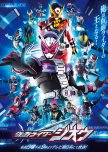
-The hero cast while inconsistent is pretty likeable overall, especially Woz.
-Some really cool concepts that are done really well like the whole Demon King aspect or some elements in the second quarter.
-The show's second quarter manages to be really great for the most part.
-Pretty good main antagonist.
-Amazing final fight.
-Great action for the most part.
-Really great soundtrack that stands out from other seasons.
-Consistently entertaining show for the most part if you don't take it too seriously.
-Some of this show's tributes can be pretty good. The Agito, Ryuki, Blade, Hibiki, Kabuto, Kiva, OOO and Wizard come to mind.
-Good utilization of Kamen Rider Decade's characters.
Everything the show did bad:
-This show has some of, if not the most inconsistent writing in the franchise. A lot of stuff gets retconed and the main trio personalities flip-flop from time to time, especially with Geiz.
-Woz backstory and the Dai Mazine plot points are left to this show's summer movie. But even then the show barely uses Woz's background for the show nor does explore how was he during Geiz's time.
-The time-travel stuff is really wonky and inconsistent. Like when Riders are finally able to coexist with the Another Riders is something that happens on a whim and the show doesn't explain how it works (it's only explained in the show's official blog, not even in a spin-off).
-The show never explains Uru's and Ora's backstories which makes near impossible to care for them (their backstory is only told in an interview with the producer for some reason, not even in a spin-off).
-How Geiz gets over the negative effects of Geiz Revive is never explained (It gets explained on the show's official blog). Even though other toku also do this, in those you can see the gradual tolerance of the effects, in this show he just suddenly gets over it relatively quickly.
-The Kamen Rider introduced in the last 2 episodes of the show feels pointless.
-When Kamen Rider Aqua from the OOO movie crossovers is introduced into the show he's used poorly.
-Some tributes, especially the first two really suck and the Build one makes zero sense. Even some of the good ones like Kabuto feel like they miss the point of the characters' development from that show. The Kiva one starts good but gets interrupted by the Ginga plot-point that comes out of nowhere. The Wizard, Gaim and Ghost ones while not bad feel like they barely do anything interesting with the characters from previous shows. And one might argue that the Blade's tribute ruins that show's ending but that last one is mostly subjective.
-The show's finale might feel like a copout to some people.
-The show requires you to have passing knowledge of the past 18 Kamen Rider seasons, which isn't really a flaw but felt like it should be point out.
Reasons for the show's strengths:
Main producer Shin-ichiro Shirakura originally intended for the show to stop focusing on the 'crossover' aspect after the first arc, so from episode 15 to episode 27 the writing quality improved drastically.
Main writer Kento Shimoyama can be really good at writing comedy at times.
Kamen Rider Decade was originally planned to only appear for a few episodes, but due to the popularity of his appearance and the convinience from a writing standpoint since he was the only Heisei protagonist that could work as both a rival and a mentor simultaneously.
Reasons for the show's problems:
Shin-ichiro Shirakura had been promoted from a normal producer after he finished Decade. This means that he wasn't supposed to produce normal shows anymore and focused either on producing shows for a different audience or for bigger projects and management decisions in Toei. The original plan was for Build to be the last Heisei season, but due to the coronation to change the era from Heisei to Reiwa was delayed, there would be another Heisei season. Toei insisted that Shirakura should produce this season and for it to have tribute elements to past seasons due to Shirakura having had produced the majority of Heisei seasons. However Shirakura was occupied with management during the show pre-production so unlike his other shows he started more passive in the pre-production and came up with fewer ideas than usual. He came up with the clock motif since this was a celebration to the era, and for the protagonist to be prophesied to be a Demon King in the future, but didn't come up with much else.
Assistant producer Naomi Takebe insisted that the show should have a crossover aspect due to Decade having had a 40% increase on sales back when it aired and that the main protagonist Sougo should meet previous riders in order to differentiate from Decade. She recommended Kento Shimoyama who she had previously worked on for Ninninger as the main writer, due to him being 'adaptable' (some people speculate that this means that the writer was chosen because he was a yesman that could use as a puppet writer, but there's no confirmation for that), having had seen most Kamen Rider and Super Sentai seasons and for his experience as an episode writer for Gokaiger.
Despite this, Shirakura didn't want the legendary aspect to overshadow the characters so he decided that the ridewatches for all Heisei protagonists should release on the first quarter despite not all of them appearing in the show, so that the staff wouldn't be bound to promote them throughout the whole show which is why the show temporarily focuses on hypothetical future riders and more on the rivalry of Sougo and Geiz. However due the first quarter being way more popular than expected, actors from old Kamen Rider shows where showing interest in reappearing in the show and made request to do so to Shirakura which led to the show again focusing on previous riders and for them to be able to transform unlike the beginning in which Shirakura requested that they shouldn't be able to transform so that they don't overtake the previous riders in focus. He also originally wanted the riders to ride Robots based on previous riders but due to budget constraints the show shifted into having armors based on previous riders instead. Ultimately Zi-O ended up becoming the best selling season of Kamen Rider which led to Shirakura using legendary motifs for his next 2 shows.
Shirakura originally did not want to have time travel as a focus due to him feeling such plot points make the show feel more complicated and usually make less sense. Back in Den-O he said the same thing and the staff went through something called the 'Week of Hell' in which they had to come up on how to make the show and ultimately concluded that the first half shouldn't have a focus on plot and for Yuto Sakurai who the plot revolved around to be introduced far later. However, main director Ryuta Tasaki said that it would be a crime for a Rider with a clock motif to not time travel.
Ultimately due to them not being able to know which actors would be available for the tribute episodes the staff had to often rewrite or come up with stuff on the spot depending on which actor they were able to get back. The reason why this idea worked with Gokaiger besides Arakawa being a talented writer was that the 2011 earthquake opened up most actors schedule, they simply weren't able to replicate the way Gokaiger treated its previous rangers due to how tight the writing schedules were.
The staff was very liberal on what scenes should be cut for pacing. They ultimately ended up partially removing the scene where they explained how riders were able to transform from the Blade tribute onward. While not officially stated some people speculate that the explanation of Geiz being able to endure the Revive transformation and the backstory of the Ora and Uru being that Ohma Zi-O erased their timelines when they were young and Schwartz saved them due to them having the potential of becoming time jackets were ultimately cut in a similar matter.
The original plan for Woz ended up changing due to the character's popularity which largely affected his backstory.
The Kamen Rider that gets introduced in episode 48 was originally supposed to appear around episode 32, however the suit/toy designers PLEX were having issues designing the suit and ultimately the appearance of said rider ended up being delayed until it was ready for the last 2 episodes where the character was barely able to accomplish anything.
Overall:
The extremely inconsistent writing easily makes this one of the worst, if not the worst stories in the franchise. While outside of the story the show does some good it's still not enough to redeem the show. That said if you watch this show as a "dumb fun show that doesn't need to be taken seriously", you'll probably end up enjoying it overall but even then it's not a great show and there's far better tokusatsu out there. While I enjoyed the show overall, the show's objectively bad and I can only recommend this show if you're a Kamen Rider completionist or really enjoys tokusatsu that don't take themselves too seriously.
Was this review helpful to you?
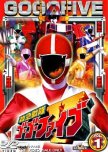
-Everyone in the hero side, from the rangers to the side characters are really likeable.
-One of the best team dynamics in the franchise, the show manages to make the most use of the team members being family members and stand out from the other 2 family Sentai shows.
-The rescue gimmick makes the monsters/cases of the week be constantly entertaining and heavily stand-out from other Sentai seasons. The show has enough budget to make proper use of this gimmick throughout the whole show for the most part.
-Really cool action from beginning to end, regardless if it's outside or inside the mechas.
-Better acting than usual Sentai shows make the emotional scenes in the show really hit.
Everything the show did bad:
-The show isn't the most unique due to following a lot of Sentai tropes and the villains while overall enjoyable not really stand out.
-The main antagonist is really generic and boring overall.
-Some elements of the plot points with team's mother feel contrived.
Reasons for the show's strengths:
Due to Japan enacting the Emergency Life-Saving Technician Law in 1991, the Great Hanshin earthquake in 1995 and the year this show was going to be airing, 1999, as 9 is pronounced the same as rescue, the core motif of this show being rescue was decided really early on and this show had more planning than usual. This allowed the show to have way more budget for its first 2 episodes and for them to try way more different approaches to action and setting throughout the show.
Main director Hajime Konaka wanted the team to show their face more often in order to make the rescue scenes more organic which is why the team has close up shot where you can see their faces through their helmets.
Main producer Jun Hikasa wanted the team to be family members taking inspiration from a show he previously worked on Yugen Jikko Sisters Shushutorian and another Toei produced show that was popular at the time Hitotsu Yane no Shita.
Reasons for the show's problems:
While main writer Junki Takegami is really great at character writing he tends to go pretty safe on the plot structure of his shows.
Overall:
While I feel that a lot of people would give this show an 8 due to not being that unique in its story department and being pretty safe overall. However the show's style, characters and dynamics are done so well and the rescue gimmick make the show stand out from other Sentai and easily makes it one of the best safe Sentai. Recommend this show to any Super Sentai fan or if you're into rescue/firefighting dramas or other rescue tokusatsu.
Was this review helpful to you?
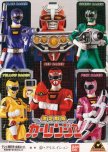
-Really likeable cast from the heroes, to the villains and the sidecharacters.
-Consistently hilarious show from start to finish, easily the funniest Super Sentai show.
-Cool and funny action from start to finish both in mech and outside.
-Despite the show hardly ever taking itself seriously it manages to give every member of the team and even the mentors proper focus, give the villains development and make them feel like a proper threat and even manages to have a pretty endearing romance.
-Really great soundtrack.
Everything the show did bad:
-The final main antagonist Exhaus somehow manages to be kinda boring and forgettable in spite of his ridiculous goal.
-Radietta gets recasted with a worse actress later on in the show.
Reasons for the show's strengths:
Due to comedy anime generating more ratings than the previous Sentai season Ohranger, main producer Shigenori Takatera wanted to make a comedy focused Sentai unlike any before. He got Yoshio Urasawa to be the main writer because his experience on writing comedy anime and his work on the Toei Fushigi no Comedy series, in spite of him not having worked on Sentai before nor having seen any Sentai season prior getting involved in production. All of this led to the show being extremely unique plus also serving as an official parody to Super Sentai, Urasawa's experience with comedy really payed off and allowed the show to be consistently hilarious.
Reasons for the show's problems:
Despite the attempts of Exhaus to parody previous Sentai antagonists, the previous villains just were way funnier and original.
Due to Megumi Hamamatsu's poor health she couldn't continue her role as Radietta. The actress later alleged that reason she left was due to her being bullied by the co-stars Yuka Motohashi and Atsuko Kurusu, but it was later evidenced that Megumi was lying about this and ended up being sued for defamation. Considering this, maybe her 'illness' at the time was a lie too, since that case wasn't the only time she was caught for being a compulsive liar, and her leaving just mostly devolves on that actress just being a legitimately bad person.
Overall:
This show is extremely hilarious and manages to be a good Super Sentai show in all the aspects that matter. Highly recommend this show to anyone who's into comedic tokusatsu or absurdist comedy.
Was this review helpful to you?
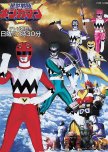
-Fine team and villains overall.
-Cool backdrop setting.
-Some monsters of the week are enjoyable.
-Really cool action both outside and inside the mechs.
-Pretty likeable side cast.
-Biznella is a pretty fun villain.
Everything the show did bad:
-Really generic show overall, besides the action and a handful of episodes the show really doesn't do anything that particularly interesting and mostly take a REALLY safe approach.
-The team, while it doesn't have anything particularly bad about them, they just barely have anything interesting going for them. The pink ranger Saya and the second Black Knight in particular are pretty mediocre. This is due to Saya having less focus episodes than the rest of the team and the second Black Knight's personality overlapping a lot with the red ranger Ryouma, not only that but he leaves the team up until the final arc in order to train, but his training pretty much barely mattered in the end which made his absence in the team feel pretty unnecessary.
-The main villains don't have much interesting in them, especially the main villain Zahab and one of the villain generals Battobas. Despite the attempts to give Bucrates and Iliess character they still manage to be uninteresting due to inherently being connected to the Nothing-character main antagonist. Only Biznella manages to be interesting and he goes out in a pretty disappointing way.
-The quest-like plot progression that show adopts makes the story feel really draggy at times and makes so that the show cannot make proper use of its villains.
Reasons for the show's strengths:
The staff was inspired by Kamen no Ninja Akakage and decided to make every general have their own army.
Main writer Yasuko Kobayashi was allowed to have more freedom in the final quarter which allowed the show to improve which allowed to the show to have better villains like Biznella and also allowed for the standout great episode 40.
The staff went to great lengths to have horse scenes in the show.
Producer Shigenori Takatera is good at coming up with interesting settings.
Reasons for the show's problems:
Main producer Shigenori Takatera wanted this season to be a more traditional return to form due to the every season since Jetman being outside of the norm (I honestly don't know how he thinks that considering that Megaranger, which he produced, is a fairly normal Sentai outside the High-School setting, and this was the 3rd Sentai to have said setting). This lead to him restricting most of the creative freedom of the show's main writer Yasuko Kobayashi. This lead to the show feeling really generic from start to finish and never really committing to any of its original concepts.
Overall:
The show takes things way too safe for my liking, it doesn't feel like one is missing much for not watching this show and if you've seen other Sentai you can predict most of what's to happen. e for my liking, if you have seen just about any tokusatsu show prior this one you can easily predict most of the story. I cannot really recommend this show when there are far better 'safe' Sentai shows out there like Dynaman, Gaoranger and specially Kiramager, these shows manage to be safe by following the usual sentai formula and common tropes while still doing interesting enough things to make them stand out from the rest, Gingaman on the other hand just doesn't have much going besides its action and a few side characters. It doesn't do anything offensive enough to be considered bad or even mediocre, but it's a painfully average show overall and I can only recommend it if you are a Super Sentai completionist or if you want to watch crossovers where Gingaman is prominent, its tribute in Gokaiger in particular is really great and won't make that much sense unless you've seen Gingaman prior.
Was this review helpful to you?
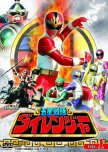
-The core 5 members of the team are really likeable overall, especially the green ranger Daigo.
-Excellent battle choreography on the ground fights.
-Besides the cool martial arts, the team has really unique abilities for the most part.
-Mostly serialized plot structure that makes it stand out from other Super Sentai seasons.
-The main villains trio of the Gorma Tribe are heavily involved in the plot and fights.
-With the exception of the yellow ranger Kazu, all the team members have a constant rival throughout the show.
-Cool world-building for the most part.
-Good balance between lighthearted and dark tones for the most part.
-Consistently really cool monsters of the week.
Everything the show did bad:
-The yellow ranger Kazu gets considerably shafted for the most part, as he has less fights than the other 4 main members of the team, it's the only ranger that doesn't have a rival and has a whole arc that while entertaining mostly consist on him not transforming. However he still manages to be a likeable character overall in spite of this.
-The first 2 episodes of the show really suck compared to the rest of the show.
-One of, personally the worst finale in the franchise. As it cheapens most of the world-building that the show had done up to that point and pretty much ruins Kujaku's character arc. I could see some people enjoy the ending due to its philosophical implications but it just comes off as needlessly depressing and kinda dumb from the main villains' standpoint.
-The extra hero KibaRanger dissapears from the show from time to time arbitrarily without any explanation, which makes him feel like a glorified mech. While he's a likeable character overall, he's the least enjoyable since his lack of screentime hinders his development and some of the emotional weight of his scenes.
-Most mecha battles with Gosei Gattai Dairen'Oh, which is the most used mech in the show, suck due to being really short and usually just consisting of a slash and not much of a battle.
-Zydos is heavily shafted compared to the other villains/rivals in the show despite being part of the main villain trio, he's also the only one from the trio to not have a rival.
-Gorma the XV is just an OK villain.
-Daijinryuu's mini-arc feels shoe-horned in and disconnect led from the main conflict.
-While this is mostly a personal issue, I felt that the main trio of the Gorma Tribe didn't have enough charisma which was a detriment for my enjoyment of the show.
Reasons for the show's strengths:
Main producer Takeyuki Suzuki wanted the show to stand-out from previous seasons since it was the franchise 15th anniversary (at the time the first 2 seasons weren't consideres Super Sentai), taking inspiration from fighting games that were popular and because chinese culture was spreading in Japan at the time in particular Oolong tea becoming popular resulted in the show having a martial arts theme as a focus. The staff put a lot of effort on making the action great and stand-out, they also made the actors fight out of suit more often than the past few seasons. Due to the fighting game inspiration the staff wanted the team to not have a ranger leader and for every ranger to stand-out from each other resulting in every ranger getting an arc and rival dedicated to them (with the exception of Kazu who got an arc but not a rival). Main writer Noboru Sugimura wanted to surpass Jetman in uniqueness which lead to the show taking a more serialized approach.
Reasons for the show's problems:
The yellow ranger's fighting style, "the drunken fist" was too difficult to perform consistently and film which resulted in him getting shafted compared to the rest of the cast and having his arc dedicated to him obtaining a mecha so that he didn't have a proper rival to fight and they wouldn't have to film his fights as much.
Due to the whole 'surpassing Jetman' ideology the writer came up with an even more controversial ending which backfired.
Kibaranger was the second extra ranger (third, if you count Liveman) to be made. The previous one, DragonRanger was supposed to be an one-off idea inspired by Mad Gallant from Juspion and Silva from Bioman. However due to his intense popularity it was decided to try it again this season. At the time Toei wanted the extra ranger to not properly join the team as to not overshadow the core members, the DragonRanger from Zyuranger was made with this intent but KibaRanger wasn't. This resulted in the character being weirdly written out from episodes despite not making much sense unlike the DragonRanger who had a proper lore reason to not appear consistently.
Overall:
I feel that most people would give this show a 7/10 since my issues with the villains are mostly a 'me' issue rather than the show's fault. And I could see people give this show an 8 due to how cool the action is in this show. The show's biggest issue is the ending as it's really bad and honestly kind of ruined the show for me, but I feel that most people would be able to look past that and still find the show great in spite of it, and admittedly the ending is really different from anything any Sentai season has done before or since so I could even see people giving this show a 9 for its uniqueness.
Overall I would recommend this show to any Super Sentai fan or martial arts fan. Just be sure to give the show at least a 4 episode chance before deciding to go through with it since the first 2 episodes are notoriously bad and not at all representative of the quality of rest of the show and be prepared for a divisive ending.
Was this review helpful to you?


