
 Editorials


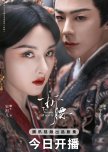
The Prisoner of Beauty is Pretty, But Not Profound
Let’s be honest, The Prisoner of Beauty is not a bad drama. It’s cute, watchable, and occasionally moving. But it’s also frustratingly underwhelming. The drama leans hard on familiar tropes, surface-level chemistry, and emotional shortcuts that feel more manufactured than earned. If you’re looking for a drama that deepens character through structure, this isn’t it. It follows the romance template to a fault, soothing in its predictability, but rarely impresses.
💫 The Heroine
Man Man begins as a promising lead, smart, kind, and emotionally grounded. She’s introduced with the quiet confidence of someone who sees the world clearly and engages it with grace. But once she marries Wei Shao, that clarity dims. She’s rewritten into a familiar archetype, the self-sacrificing woman who suffers in silence, mistaking endurance for love.
Also, her strength doesn’t evolve, it dissolves. What once read as emotional maturity becomes passive devotion. She stops challenging the world around her and instead absorbs its disappointments, shrinking herself in the hope that Wei Shao will one day rise to meet her emotional needs. But he’s not written to be that kind of partner. Her longing is disguised as patience, and her silence is framed as virtue. The result is a character who appears strong on the surface but is ultimately defined by her willingness to wait, ache, and compromise for a man who falls short of the emotional reciprocity she craves.
🎭 Acting That Undermines Emotional Clarity
Song Zu Er
Song Zu Er’s portrayal of Man Man is undermined by a stylistic choice that feels more mannered than authentic. Her persistent whispering, carried through nearly every scene quickly becomes distracting. Scenes that should pulse with urgency or vulnerability instead feel muted by a delivery that’s overly breathy and jarringly unnatural. It becomes so stifling, it pushes past distraction into frustration. I found myself begging for her to just speak normally by episode 2.
Her crying, often childlike in tone, may elicit sympathy in isolated moments, those wide, pleading eyes and trembling lips is like a child seeking comfort. But across the arc of a romantic drama, this becomes her only mode of sadness, and it wears thin. She doesn’t evolve emotionally; she repeats. When the story calls for anguish, grief, or quiet devastation, her tears feel staged, not lived. You can see the performance mechanics at work, the cue hits, the tears fall, and she cries beautifully. But it’s beauty without depth, affect without authenticity.
The emotional register she leans on is fragile, high-pitched, and juvenile. This creates a tonal mismatch that undermines the romantic narrative. In scenes meant to convey intimacy or mutual vulnerability, the imbalance is glaring. It doesn’t feel like two adults navigating the complexities of love; it feels like a grown man paired with a child. The result is a romance that feels unsettling, rendering the physical closeness between Man Man and Wei Shao performative and emotionally incoherent.
Liu Yu Ning
Liu Yu Ning’s performance is solid but subdued. He plays Wei Shao with a kind of emotional detachment that fits the character’s romantic limitations, but it doesn’t always translate into compelling drama. There’s a lack of internal tension, he’s stoic, but not layered. Vulnerability flickers in brief moments, but never fully lands. It’s a competent portrayal, but not a standout, and even Liu Yu Ning has acknowledged in livestreams that this wasn’t his strongest work.
💞 A Love Story That Feels... Uneven
The romance in The Prisoner of Beauty is built on physical closeness and contrived misunderstandings. There’s chemistry, sure, but it’s the kind that flickers in stolen glances and dramatic rescues, not the kind that grows through emotional resonance. The back-and-forth mistrust between the leads becomes exhausting, not because it’s intense, but because it’s repetitive. It’s hard to root for a couple when their connection feels more like a plot device than a lived-in relationship.
Wei Shao’s inability to express love is a central conflict. Man Man keeps hoping for grand gestures, and Wei Shao keeps failing to deliver. The result? A romance that feels like a loop of disappointment. There are cute moments, yes, but they’re the kind you’ve seen in dozens of other dramas. Nothing here feels earned.
🧠 Writing That Plays It Safe
The writing in TPOB is serviceable, but it rarely reaches for anything deeper. Emotional beats are too predictable. Misunderstandings are manufactured. And the pacing suffers under the weight of too many recycled plot points. The story isn’t disjointed, but it is draggy. When your central conflict is mistrust, and that mistrust hardly evolves until the last bit of the show, you’re left with a narrative that spins its wheels.
Additionally, none of the side characters stand out. They exist to move the plot forward, not to enrich it. This left the ending feeling rushed. It ties things up, but without the emotional payoff that makes a finale satisfying.
🎶 Sound That Fades
Liu Yu Ning’s OST is the only track that lingers after the credits roll. The rest of the audio landscape is forgettable. Music cues feel generic, and sound design lacks the precision needed to elevate emotional scenes. In a series that leans heavily on mood, the flatness of its sound design undermines its emotional texture. This was definitely a missed opportunity.
🔁 Rewatch Value That’s Limited
This isn’t a drama that rewards multiple viewings. Once you’ve seen the misunderstandings play out, there’s little incentive to revisit. The emotional arc doesn’t deepen. The characters don’t reveal new layers. It’s a one-and-done experience, pleasant enough in the moment, but not built to last.
📚 Final Note
TPOB is mediocre at best. If you prefer comfort over complexity, TPOB might satisfy. But if you’re looking for storytelling that respects your intelligence and emotional investment, this is not the show.
💫 The Heroine
Man Man begins as a promising lead, smart, kind, and emotionally grounded. She’s introduced with the quiet confidence of someone who sees the world clearly and engages it with grace. But once she marries Wei Shao, that clarity dims. She’s rewritten into a familiar archetype, the self-sacrificing woman who suffers in silence, mistaking endurance for love.
Also, her strength doesn’t evolve, it dissolves. What once read as emotional maturity becomes passive devotion. She stops challenging the world around her and instead absorbs its disappointments, shrinking herself in the hope that Wei Shao will one day rise to meet her emotional needs. But he’s not written to be that kind of partner. Her longing is disguised as patience, and her silence is framed as virtue. The result is a character who appears strong on the surface but is ultimately defined by her willingness to wait, ache, and compromise for a man who falls short of the emotional reciprocity she craves.
🎭 Acting That Undermines Emotional Clarity
Song Zu Er
Song Zu Er’s portrayal of Man Man is undermined by a stylistic choice that feels more mannered than authentic. Her persistent whispering, carried through nearly every scene quickly becomes distracting. Scenes that should pulse with urgency or vulnerability instead feel muted by a delivery that’s overly breathy and jarringly unnatural. It becomes so stifling, it pushes past distraction into frustration. I found myself begging for her to just speak normally by episode 2.
Her crying, often childlike in tone, may elicit sympathy in isolated moments, those wide, pleading eyes and trembling lips is like a child seeking comfort. But across the arc of a romantic drama, this becomes her only mode of sadness, and it wears thin. She doesn’t evolve emotionally; she repeats. When the story calls for anguish, grief, or quiet devastation, her tears feel staged, not lived. You can see the performance mechanics at work, the cue hits, the tears fall, and she cries beautifully. But it’s beauty without depth, affect without authenticity.
The emotional register she leans on is fragile, high-pitched, and juvenile. This creates a tonal mismatch that undermines the romantic narrative. In scenes meant to convey intimacy or mutual vulnerability, the imbalance is glaring. It doesn’t feel like two adults navigating the complexities of love; it feels like a grown man paired with a child. The result is a romance that feels unsettling, rendering the physical closeness between Man Man and Wei Shao performative and emotionally incoherent.
Liu Yu Ning
Liu Yu Ning’s performance is solid but subdued. He plays Wei Shao with a kind of emotional detachment that fits the character’s romantic limitations, but it doesn’t always translate into compelling drama. There’s a lack of internal tension, he’s stoic, but not layered. Vulnerability flickers in brief moments, but never fully lands. It’s a competent portrayal, but not a standout, and even Liu Yu Ning has acknowledged in livestreams that this wasn’t his strongest work.
💞 A Love Story That Feels... Uneven
The romance in The Prisoner of Beauty is built on physical closeness and contrived misunderstandings. There’s chemistry, sure, but it’s the kind that flickers in stolen glances and dramatic rescues, not the kind that grows through emotional resonance. The back-and-forth mistrust between the leads becomes exhausting, not because it’s intense, but because it’s repetitive. It’s hard to root for a couple when their connection feels more like a plot device than a lived-in relationship.
Wei Shao’s inability to express love is a central conflict. Man Man keeps hoping for grand gestures, and Wei Shao keeps failing to deliver. The result? A romance that feels like a loop of disappointment. There are cute moments, yes, but they’re the kind you’ve seen in dozens of other dramas. Nothing here feels earned.
🧠 Writing That Plays It Safe
The writing in TPOB is serviceable, but it rarely reaches for anything deeper. Emotional beats are too predictable. Misunderstandings are manufactured. And the pacing suffers under the weight of too many recycled plot points. The story isn’t disjointed, but it is draggy. When your central conflict is mistrust, and that mistrust hardly evolves until the last bit of the show, you’re left with a narrative that spins its wheels.
Additionally, none of the side characters stand out. They exist to move the plot forward, not to enrich it. This left the ending feeling rushed. It ties things up, but without the emotional payoff that makes a finale satisfying.
🎶 Sound That Fades
Liu Yu Ning’s OST is the only track that lingers after the credits roll. The rest of the audio landscape is forgettable. Music cues feel generic, and sound design lacks the precision needed to elevate emotional scenes. In a series that leans heavily on mood, the flatness of its sound design undermines its emotional texture. This was definitely a missed opportunity.
🔁 Rewatch Value That’s Limited
This isn’t a drama that rewards multiple viewings. Once you’ve seen the misunderstandings play out, there’s little incentive to revisit. The emotional arc doesn’t deepen. The characters don’t reveal new layers. It’s a one-and-done experience, pleasant enough in the moment, but not built to last.
📚 Final Note
TPOB is mediocre at best. If you prefer comfort over complexity, TPOB might satisfy. But if you’re looking for storytelling that respects your intelligence and emotional investment, this is not the show.
Was this review helpful to you?


