
 News
News 

 1
1


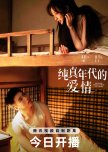
|A Quiet Love in a Loud Era|
Let me be upfront with you: if you're coming into this drama expecting hot kisses, intense skinship, and a slow burn that eventually burns — lower those expectations significantly. But if you're willing to let a drama settle into your bones like a warm, quiet Sunday morning? Love Story in the 1970s might just leave a mark on you.
*The Story & Setting*
The 1970s backdrop is genuinely one of this drama's greatest strengths. What really elevated it for me were the real historical footage inserts woven throughout — those moments gave the story an authenticity and emotional weight that most period dramas only wish they had. You feel the era, not just see it. The storytelling is healing in nature, slice-of-life in pacing, and deeply human at its core. It's not a love story that dazzles — it's one that quietly grows on you.
*The Couples — Because There Are Really Two Stories Here*
Let's be honest: Qu Hua and Fang Mujing are the real stars of this drama, at least romantically. Their journey had a rough start, but Qu Hua as the devoted, ideal-husband second male lead who never wavers? Absolute perfection. Their skinship was notably better than the main leads, their chemistry was more visible, and their love story felt more emotionally satisfying. They didn't just overshadow the main couple — they ran away with the whole drama.
Feni and Muyang as the main leads were a different kind of love story — quieter, more restrained, more healing than passionate. Their romance is not for the skinship-hungry viewer (I say this as someone who deeply felt that absence). The slow burn here is not the enjoyable tension kind — it is extreme slow burn. We're talking survival-mode slow burn. Their love is believable, but it rarely ignites on screen the way you want it to.
A special mention for the Linmi and her husband arc — that storyline had a frustrating setup (being pushed into marriage to make room for her brother is a lot to ask), but they genuinely grew on me over time. Not a highlight, but a solid emotional thread.
The Shortcomings
Yes, we must talk about them.
Skinship and romance heat: The main leads' physical affection is almost non-existent compared to even the second leads. For romance lovers, this is a real struggle.
The extreme slow burn: This drama tests your patience repeatedly. It is a marathon, not a sprint — and not always a rewarding one in the romantic sense.
Certain characters: Feng Lin and Linmi's family members were genuinely grating at points. The kind of characters that make you want to skip scenes.
The ending: It left me wanting considerably more. Not a bad ending — just one that felt like it stopped right before fully paying off.
The Acting
The performances across the board were strong, and that's a big part of what kept this drama afloat through its slower stretches. The cast brought sincerity to their roles, and the emotional moments landed because of that. Qu Hua in particular is a character I won't forget easily — a beautifully written and performed male lead who deserved every scene he was in.
Final Verdict
Love Story in the 1970s is a deeply healing drama with a gorgeous historical setting, standout performances, and a second couple love story that alone is worth the watch. But go in warned: this is not a romance-first drama. The main couple's love story is understated to a fault, the skinship is minimal throughout, and the burn is slow enough to make even patient viewers squirm.
Recommended for: healing/slice-of-life lovers, fans of historical C-dramas, people who can survive extreme slow burn — but go in with your eyes open and your expectations calibrated.
Watch it for the era. Watch it for Qu Hua. Watch it for the real footage inserts that remind you this was once someone's real world.
Just don't watch it for the kisses. 😅
Reviewed by TheDramaticDentist | MDL Rating: 8.5
*The Story & Setting*
The 1970s backdrop is genuinely one of this drama's greatest strengths. What really elevated it for me were the real historical footage inserts woven throughout — those moments gave the story an authenticity and emotional weight that most period dramas only wish they had. You feel the era, not just see it. The storytelling is healing in nature, slice-of-life in pacing, and deeply human at its core. It's not a love story that dazzles — it's one that quietly grows on you.
*The Couples — Because There Are Really Two Stories Here*
Let's be honest: Qu Hua and Fang Mujing are the real stars of this drama, at least romantically. Their journey had a rough start, but Qu Hua as the devoted, ideal-husband second male lead who never wavers? Absolute perfection. Their skinship was notably better than the main leads, their chemistry was more visible, and their love story felt more emotionally satisfying. They didn't just overshadow the main couple — they ran away with the whole drama.
Feni and Muyang as the main leads were a different kind of love story — quieter, more restrained, more healing than passionate. Their romance is not for the skinship-hungry viewer (I say this as someone who deeply felt that absence). The slow burn here is not the enjoyable tension kind — it is extreme slow burn. We're talking survival-mode slow burn. Their love is believable, but it rarely ignites on screen the way you want it to.
A special mention for the Linmi and her husband arc — that storyline had a frustrating setup (being pushed into marriage to make room for her brother is a lot to ask), but they genuinely grew on me over time. Not a highlight, but a solid emotional thread.
The Shortcomings
Yes, we must talk about them.
Skinship and romance heat: The main leads' physical affection is almost non-existent compared to even the second leads. For romance lovers, this is a real struggle.
The extreme slow burn: This drama tests your patience repeatedly. It is a marathon, not a sprint — and not always a rewarding one in the romantic sense.
Certain characters: Feng Lin and Linmi's family members were genuinely grating at points. The kind of characters that make you want to skip scenes.
The ending: It left me wanting considerably more. Not a bad ending — just one that felt like it stopped right before fully paying off.
The Acting
The performances across the board were strong, and that's a big part of what kept this drama afloat through its slower stretches. The cast brought sincerity to their roles, and the emotional moments landed because of that. Qu Hua in particular is a character I won't forget easily — a beautifully written and performed male lead who deserved every scene he was in.
Final Verdict
Love Story in the 1970s is a deeply healing drama with a gorgeous historical setting, standout performances, and a second couple love story that alone is worth the watch. But go in warned: this is not a romance-first drama. The main couple's love story is understated to a fault, the skinship is minimal throughout, and the burn is slow enough to make even patient viewers squirm.
Recommended for: healing/slice-of-life lovers, fans of historical C-dramas, people who can survive extreme slow burn — but go in with your eyes open and your expectations calibrated.
Watch it for the era. Watch it for Qu Hua. Watch it for the real footage inserts that remind you this was once someone's real world.
Just don't watch it for the kisses. 😅
Reviewed by TheDramaticDentist | MDL Rating: 8.5
Was this review helpful to you?


