





This review may contain spoilers
“As long as there is love, there is always hope.”
I probably wouldn’t have watched this movie if it weren’t for the BL Watch Challenge and I’m honestly so grateful I did. It ended up becoming one of my all-time favorites. I’m not even sure why it hit me so hard, but it did.It’s a beautifully layered family drama that also includes a tender romance between two teenagers. What really stood out to me was how it captured the unpredictable nature of love in all its forms: love for family, for music, for someone special, for friends. It explores relationships like grandson and grandmother, mother and children, romantic partners… and dives into themes like grief, sexual awakening, peer pressure, family responsibilities, and the pain of being apart from those we care about.
The characters are so well-written and feel incredibly real. The storytelling is so delicate and heartfelt that the nearly three-hour runtime flew by in a blink. There are so many unforgettable scenes, thanks to the amazing cast. Mario Maurer (Tong) and Pchy Witwisit (Mew) were phenomenal, giving such heartfelt, natural performances, especially Mario in that emotional scene with Tarn Kanya (Ying), where he breaks down crying, struggling with his identity and the pressure from his friends. My heart shattered when Tong tearfully asked Ying, “What am I, Ying? Everyone’s upset with me because I don’t know what I am.” That moment was raw and powerful. Their chemistry isn’t loud or over-the-top. It’s subtle, but incredibly powerful. You really feel the connection between them in every scene
And I have to highlight Nok Sinjai (Moira from Shine) as Tong’s mother. She was absolutely brilliant. Every time she appeared on screen, you could feel the loneliness and pain of a mother trying to stay strong through family tragedy. Her eyes alone conveyed so much emotion. She might come off as strict or sensitive, but deep down, she loves her husband and son fiercely.
I cried a lot during the final scenes, it felt like a part of me broke, but at the same time, I was left with a strangely pleasant, bittersweet feeling. It wasn’t the right time for them. Tong’s family was still grieving, and his father hadn’t healed. Not every first love ends happily. But the open ending carries a spark of hope, a possibility. When Mew places the last piece on Santa Klaus, sits on his bed, and says “Thank you,” it felt like he was thanking Tong for the memories, for the love they shared, and for loving him even if they couldn’t be together. Tong gave him hope that maybe, someday, things could change. And in my heart, I imagine them meeting again, older, wiser, and finally ending up together. Because “As long as there is love, there is always hope.”
And to wrap it up: the soundtrack is absolutely gorgeous. It expresses everything the characters feel but can’t quite say out loud.
Was this review helpful to you?
After the first few episodes, the show kind of lost its charm. It’s frustrating when you have such an interesting premise, but weak direction and a messy script ruin it. The characters felt underdeveloped and lacked the emotional depth needed to make an impact. The actors showed occasional sparks of personality, but the poor writing killed any chance of genuine performances. I also didn’t feel any real chemistry between the couples.
Even though the final message was nice, the series dragged for six episodes before cramming in a bunch of twists at the very end. Sadly, by then it was too late to save it for me.
Was this review helpful to you?
Was this review helpful to you?
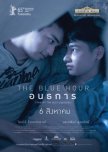
The story is told from the perspective of Tam, a lonely teenager who’s mentally and physically abused by his family and classmates because of his sexuality. The film dives deep into the emotional maze of Tam’s mind, and over the course of nearly two hours, we witness his slow mental unraveling. It constantly blurs the line between reality and delusion, creating a sense of discomfort and introspection that makes you feel exactly what Tam feels: lost, rejected, craving connection, but surrounded by pain and darkness.
The Blue Hour doesn’t hand you easy answers. Instead, it invites you to reflect on how trauma distorts our perception of reality, and how the longing for connection can either destroy us or set us free.
Gun Atthapan and Oab Oabnithi deliver stunning performances. The cold blue color palette perfectly mirrors the sadness, melancholy, and emotional isolation Tam experiences. Director Anucha Boonyawatana crafts a poetic, introspective atmosphere that’s both ambiguous and deeply sensitive. He treats Tam’s fragility with care, never judging him, and portrays his queerness with honesty and nuance, highlighting the impact of bullying and family rejection without falling into simplistic victim narratives.
The slow pacing gives you space to fully sink into the emotional world of the characters. The whole film was a haunting, powerful experience.
Was this review helpful to you?

Was this review helpful to you?

I usually steer clear of writing negative reviews because I know how much heart and hard work go into making a series. This one had real potential, but sadly, it didn’t quite deliver.
After two episodes, I had to put it on hold because the subtitles were a total mess. But since I never leave a show unfinished, I eventually came back to wrap it up. Honestly, if the series had kept its six episodes but trimmed them down to 20–25 minutes each, it might’ve worked better. It had all the ingredients to be super cute.
1. Production
The script was weak and dragged through each 45-minute episode. On top of that, editing and sound issues really hurt the overall experience.
2. Acting
It’s tough to judge the performances fairly because the writing didn’t give the actors much to work with. There were flashes of personality here and there, but the script didn’t allow for any real depth. It seems like this was the debut for several of the cast members, and they honestly deserved better material. Still, they gave it their best, and the acting had its ups and downs.
Meen & Tul: A sweet couple who got more interesting once they started dating. Looks like this was the first series for Sky and Kong. The chemistry is definitely there. They had moments where they were just going through the motions, and others where they truly brought their characters to life. They’re raw talent, rough around the edges, but promising. I’ll definitely check out more of their work, hopefully with a stronger script.
Pokpong & Sun: This couple won me over from the start. I wish they’d had more screen time. Park and Tiger felt more natural together, and their chemistry came through effortlessly. They genuinely seemed comfortable in their roles.
Was this review helpful to you?

Was this review helpful to you?

BL Drama no Shuen ni Narimashita: Crank Up Hen
1 people found this review helpful
With its smart, lighthearted humor and beautifully sensitive storytelling, the series won me over from the very first episode. I couldn’t help but root for Aoyagi and Akafuji’s happiness. I really loved how the characters evolved, and how the story kept a playful tone while still respecting the deeper emotional themes.
But what truly elevates the series are the stellar performances from Alan Abe and Nichika Akutsu. Their chemistry is effortless and magnetic. Both actors deliver emotionally rich, expressive performances that pull you in completely. They bring real depth to their roles and have pitch-perfect comedic timing, stealing every scene they’re in. Highly recommended!
PS: Kijima and Yukari deserved a series just for them.
Was this review helpful to you?

The premise is intriguing, and honestly, it deserved a stronger script to make the emotional moments hit harder. But even with its storytelling flaws, I really appreciated how the characters navigated life, death, loss, and personal growth along the way. The supporting cast did a solid job, though I do wish we had a few more episodes to dive deeper into their stories.
It’s far from perfect, but there’s something uniquely charming about it that just keeps you hooked!
Was this review helpful to you?

Was this review helpful to you?

Was this review helpful to you?

Was this review helpful to you?

How to Make Millions before Grandma Dies
1 people found this review helpful
This is easily one of the most beautiful films I’ve ever seen.
The tears started flowing early and didn’t stop until the very end. It reminded me of my grandmother and how much I miss her. I think that’s why it touched me so deeply. One of the film's strengths is how relatable it is. It doesn’t try to force the audience to cry or manipulate emotions; instead, it beautifully portrays the complexities of family relationships and the inevitability of mortality, making it truly impactful.I loved how M and his grandma found their way back to each other, rediscovering their bond and how M came to better understand his family. Those last 20 minutes were some of the most moving I’ve ever watched.
The cast deserves huge praise for bringing these characters to life, especially Billkin and Taew Usha Seamkhum. Their performances added incredible authenticity to the film.
Watching it left me with a renewed appreciation for life’s fleeting moments and the meaning they bring. It’s a movie that will stay with me.
Was this review helpful to you?

Was this review helpful to you?

Was this review helpful to you?


