
 Editorials


Born to destruction or salvation?
TILL THE END OF THE MOON: A Tragedy of Fate and Choice
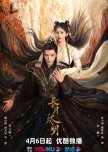
Watching this drama was a profoundly moving experience; I found myself suffering right alongside the main characters. While the plot is utterly captivating, it is also a relentless journey through pain and sadness. The story leads to a tragic conclusion: that sincere, wholehearted love would have been the salvation, far superior to the path of destruction advised by the agitators. Had pure love been given a chance, it wouldn't have ended in disaster. The drama poignantly suggests that we are all born as blank pages, our stories written by the hands of life and experience. No one is born evil—they are made that way. But this leaves us with a haunting question: in the end, will evil ultimately prevail?
BORN TO DESTRUCTION OR SALVATION?
Tantai Jin's birth was a tragedy itself; his mother died bringing him into the world, leaving him cursed. Though a prince, he was sentenced to death by his own father, exiled to a derelict palace, and later sold as a hostage. He never learned deeper emotions because no one ever showed him any. Abuse, beatings, and humiliation were his daily bread, yet a desperate longing for love and recognition still flickered within him. This created a constant, brutal war inside him: the desire for love versus the thirst for revenge. When love finally did arrive, one must ask—was it a blessing, or just another form of sorrow?
THE ENDING
To truly grasp the story's depth, you must watch every single episode with full attention. Skipping even a part will leave you unprepared for the final two episodes and the motivations behind Tantai Jin's actions. The ending is heart-wrenching, yet in its context, it is perfectly logical and inevitable. I was truly heartbroken and couldn't stop the flow of tears. (Whether I'm just too sensitive or the tragedy of this story is simply that powerful, I cannot say.)
LUO YUNXI'S PERFORMANCE
Before watching, I encountered criticisms of Luo Yunxi regarding his appearance (including his height) and voice. I must state that I completely disagree—he was absolutely perfect for this role. His gentle voice, delicate features, and those large, expressive eyes perfectly captured the character's complex nature. He was particularly outstanding in portraying Tantai Jin's dark side. I read that Luo Yunxi lost a significant amount of weight for the role, which served the story well, but at times he looked alarmingly thin, almost as if suffering from anorexia. It was a terrifying sight in some photos, and I'm genuinely glad he regained his health afterward.
MAIN CHARACTERS & CHEMISTRY
The chemistry between Luo Yunxi and Bai Lu is as electric as ever. Having adored them in "Love Is Sweet," it was a delight to see them share the screen again. Their deep, meaningful gazes and their tender yet intense kisses make their on-screen relationship utterly compelling and believable.
COSTUMES & MUSIC
I usually don't pay much attention to costumes in wuxia dramas, as they often feel similar. Here, it was different—the character outfits are truly amazing. The scenery of the Devil's Palace, in my opinion, seems inspired by the art of Zbigniew Beksiński (if you're unfamiliar with his work, I highly recommend looking it up), and it made a huge impression on me. The music is also a standout, with its use of rock guitars instead of traditional, sweet Chinese melodies, which perfectly complements the story's dark and epic tone.
DO I RECOMMEND THIS DRAMA?
Yes, wholeheartedly. But be prepared to engage with it deeply. A casual viewing misses the entire point. This is not a light or pleasant drama about the romance of the main characters; it is a heavy, thought-provoking tragedy that demands and deserves your full emotional and intellectual investment.
Watching this drama was a profoundly moving experience; I found myself suffering right alongside the main characters. While the plot is utterly captivating, it is also a relentless journey through pain and sadness. The story leads to a tragic conclusion: that sincere, wholehearted love would have been the salvation, far superior to the path of destruction advised by the agitators. Had pure love been given a chance, it wouldn't have ended in disaster. The drama poignantly suggests that we are all born as blank pages, our stories written by the hands of life and experience. No one is born evil—they are made that way. But this leaves us with a haunting question: in the end, will evil ultimately prevail?
BORN TO DESTRUCTION OR SALVATION?
Tantai Jin's birth was a tragedy itself; his mother died bringing him into the world, leaving him cursed. Though a prince, he was sentenced to death by his own father, exiled to a derelict palace, and later sold as a hostage. He never learned deeper emotions because no one ever showed him any. Abuse, beatings, and humiliation were his daily bread, yet a desperate longing for love and recognition still flickered within him. This created a constant, brutal war inside him: the desire for love versus the thirst for revenge. When love finally did arrive, one must ask—was it a blessing, or just another form of sorrow?
THE ENDING
To truly grasp the story's depth, you must watch every single episode with full attention. Skipping even a part will leave you unprepared for the final two episodes and the motivations behind Tantai Jin's actions. The ending is heart-wrenching, yet in its context, it is perfectly logical and inevitable. I was truly heartbroken and couldn't stop the flow of tears. (Whether I'm just too sensitive or the tragedy of this story is simply that powerful, I cannot say.)
LUO YUNXI'S PERFORMANCE
Before watching, I encountered criticisms of Luo Yunxi regarding his appearance (including his height) and voice. I must state that I completely disagree—he was absolutely perfect for this role. His gentle voice, delicate features, and those large, expressive eyes perfectly captured the character's complex nature. He was particularly outstanding in portraying Tantai Jin's dark side. I read that Luo Yunxi lost a significant amount of weight for the role, which served the story well, but at times he looked alarmingly thin, almost as if suffering from anorexia. It was a terrifying sight in some photos, and I'm genuinely glad he regained his health afterward.
MAIN CHARACTERS & CHEMISTRY
The chemistry between Luo Yunxi and Bai Lu is as electric as ever. Having adored them in "Love Is Sweet," it was a delight to see them share the screen again. Their deep, meaningful gazes and their tender yet intense kisses make their on-screen relationship utterly compelling and believable.
COSTUMES & MUSIC
I usually don't pay much attention to costumes in wuxia dramas, as they often feel similar. Here, it was different—the character outfits are truly amazing. The scenery of the Devil's Palace, in my opinion, seems inspired by the art of Zbigniew Beksiński (if you're unfamiliar with his work, I highly recommend looking it up), and it made a huge impression on me. The music is also a standout, with its use of rock guitars instead of traditional, sweet Chinese melodies, which perfectly complements the story's dark and epic tone.
DO I RECOMMEND THIS DRAMA?
Yes, wholeheartedly. But be prepared to engage with it deeply. A casual viewing misses the entire point. This is not a light or pleasant drama about the romance of the main characters; it is a heavy, thought-provoking tragedy that demands and deserves your full emotional and intellectual investment.
Was this review helpful to you?


