

 75
75 9
9 1
1 4
4 12
12 2
2 3
3 2
2 1
1 4
4 10
10 1
1 1
1 2
2 2
2 3
3 2
2 2
2 2
2 1
1 1
1 8
8


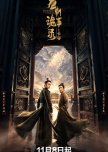
Strange Tales of Tang Dynasty 3: To Changan
11 people found this review helpful
by PeachBlossomGoddess
 3
3
3
Friends in Low Places
To Chang'an, Season 3 of Strange Tales of Tang Dynasty, opens with Lu Lingfeng and Su Wuming's perilous return to the capital, transporting golden peaches for the emperor from the Kang kingdom. The ensemble team brims with lively, familiar chemistry amid even bigger stakes as they arrive at the peak of the power struggle between Princess Taiping and Emperor Xuanzong. The tension in the air is palpable, and Lu Lingfeng finds himself once again caught between being the Princess's son and a loyal subject of the throne. Su Wuming shamelessly lies and grovels as his survival instincts kick in, helping Lu Lingfeng and his team walk a precarious tightrope as they find themselves in the crosshairs of both sides of the political divide.
This franchise continues to fire the imagination with exotic mythical creatures, vivid visuals, eerie illusions, and strange anomalies. Superstition and folklore surround eight eerie cases driven by ultimately human factors: political intrigue, greed and corruption, distorted love and hate, social injustice, and revenge. The "drop-bys" of popular characters from past seasons adds to the sense of continuity and nostalgia. This season's cases are intriguing, well-written, and tightly plotted with rigorous detail, featuring enough reversals to keep viewers on their toes—albeit dialed down a notch or two in intricacy. This shift widens the narrative focus onto the complex social and power dynamics of Chang'an during a time of transition.
Where Season 2 held the team's personal developments in abeyance, Season 3 explores them fully. This is Strange Tales' most romantic season to date, with romance featuring heavily in many cases. But it is Lu Lingfeng and Pei Xijun's meltingly romantic courtship that steals the show. It is high time they take their relationship to the next level and the frank passion in the way they express their feelings by via famous Tang love poems made my toes curl! Master Fei also seems to hilariously discover a new calling as ice cream/sushan (酥山) proprietor by day and spymaster by night!
In a departure from its travelogue format, this season immerses itself in the diversity and divisiveness of Chang'an—an ancient melting pot of cultures, ethnicities, social classes, and political factions. As if being embroiled in the power struggle weren't enough, Lu Lingfeng also finds himself at the center of the class conflict between merchants and nobility. The tension boils over in a case that threatens to rip apart the social fabric of the city. In a fiery ideological debate, Su Wuming compellingly articulates the grievances of the "everybody-nobody" against Lu Lingfeng's proud and impassioned defense of the aristocratic "somebody." Yang Xuwen impresses with his layered portrayal of a deeply conflicted Lu Lingfeng—torn between loyalty and affection for his friends in low places and his ingrained belief in the social order and the cultural and moral superiority of the educated elite.
While I thoroughly enjoyed their showdown, the stakes become very real for the battling sheriffs: Sheriff Wei of Chang'an County and Sheriff Du of Wannian County. For me, the sixth case, with its deeper messages and social commentary, was the most moving and memorable. The final case, focused on diplomatic affairs, is also superb—high-octane and action-packed. It brings the season to a close on a high, more positive note, though it lacks the emotional resonance of the sixth.
I am both relieved and impressed that this wonderful series continues to deliver. The production continues to invest in high-quality writing and visuals that stay true to authentic Tang aesthetics. The only hint that this season was helmed by a different director is the subtlest shift in camera language and visual storytelling. I won't lie: Season 3 is not as good as Season 2. But the richer fleshing out of the team puts it on par with Season 1.
I enthusiastically rate this 9.0/10.
(This season was followed by a "mini" Season 4 comprising two cases, which I will review separately.)
This franchise continues to fire the imagination with exotic mythical creatures, vivid visuals, eerie illusions, and strange anomalies. Superstition and folklore surround eight eerie cases driven by ultimately human factors: political intrigue, greed and corruption, distorted love and hate, social injustice, and revenge. The "drop-bys" of popular characters from past seasons adds to the sense of continuity and nostalgia. This season's cases are intriguing, well-written, and tightly plotted with rigorous detail, featuring enough reversals to keep viewers on their toes—albeit dialed down a notch or two in intricacy. This shift widens the narrative focus onto the complex social and power dynamics of Chang'an during a time of transition.
Where Season 2 held the team's personal developments in abeyance, Season 3 explores them fully. This is Strange Tales' most romantic season to date, with romance featuring heavily in many cases. But it is Lu Lingfeng and Pei Xijun's meltingly romantic courtship that steals the show. It is high time they take their relationship to the next level and the frank passion in the way they express their feelings by via famous Tang love poems made my toes curl! Master Fei also seems to hilariously discover a new calling as ice cream/sushan (酥山) proprietor by day and spymaster by night!
In a departure from its travelogue format, this season immerses itself in the diversity and divisiveness of Chang'an—an ancient melting pot of cultures, ethnicities, social classes, and political factions. As if being embroiled in the power struggle weren't enough, Lu Lingfeng also finds himself at the center of the class conflict between merchants and nobility. The tension boils over in a case that threatens to rip apart the social fabric of the city. In a fiery ideological debate, Su Wuming compellingly articulates the grievances of the "everybody-nobody" against Lu Lingfeng's proud and impassioned defense of the aristocratic "somebody." Yang Xuwen impresses with his layered portrayal of a deeply conflicted Lu Lingfeng—torn between loyalty and affection for his friends in low places and his ingrained belief in the social order and the cultural and moral superiority of the educated elite.
While I thoroughly enjoyed their showdown, the stakes become very real for the battling sheriffs: Sheriff Wei of Chang'an County and Sheriff Du of Wannian County. For me, the sixth case, with its deeper messages and social commentary, was the most moving and memorable. The final case, focused on diplomatic affairs, is also superb—high-octane and action-packed. It brings the season to a close on a high, more positive note, though it lacks the emotional resonance of the sixth.
I am both relieved and impressed that this wonderful series continues to deliver. The production continues to invest in high-quality writing and visuals that stay true to authentic Tang aesthetics. The only hint that this season was helmed by a different director is the subtlest shift in camera language and visual storytelling. I won't lie: Season 3 is not as good as Season 2. But the richer fleshing out of the team puts it on par with Season 1.
I enthusiastically rate this 9.0/10.
(This season was followed by a "mini" Season 4 comprising two cases, which I will review separately.)
Was this review helpful to you?


