
 K-Drama



A META-GAME OF SURVIVAL
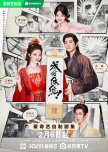
The story follows Wang Cuihua, a modern-day corporate worker who transmigrated into a novel as the 'evil consort' Yu Wanyin. She quickly realizes the 'tyrant emperor', Xianhou Dan, is actually another transmigrator named Zhang San. Instead of fighting each other, they realize that to survive the original tragic ending, they must team up. They use their modern knowledge, ranging from strategic management to drought-resistant crops, to outsmart the 'original' protagonists, who are actually quite ruthless.
Furthermore, the chemistry between Cheng Lei and Wang Churan is electric. Unlike dramas where the leads are at odds for 30 episodes, these two establish a 'mischievous bestie' energy early on. Their mutual trust is refreshing; they communicate quickly to nip misunderstandings in the bud before they become plot points. The show is packed with meta-commentary. Since both leads know they are in a book, they often critique the 'bad writing' of the original author or anticipate 'scripted' events. This adds a layer of dark comedy, making the political intrigue feel lighter and more engaging. Watching the 'evil' consort and the 'tyrant' emperor actually be the most competent and sane people in the room is deeply satisfying. The drama flips the script by making the traditional 'hero and heroine' of the book into the primary antagonists.
Moreover, Cheng Lei delivers a masterclass in the 'Mad Tyrant' trope. His ability to switch between a terrifying, unhinged emperor and the vulnerable, modern 'Zhang San' is the heart of the show. His 'eye-smolder' has become a viral meme for a reason: it's magnetic. For Wang Churan, this is arguably her best performance to date. She sheds the 'ice beauty' image to play a quick-thinking, slightly cynical corporate survivor. Her comedic timing during the 'English Language Test' scene in early episodes set the tone for the series. The production is cinematic, utilizing a darker, more 'moody' color palette than the bright, saturated looks of previous years. The costumes, especially Wanyin's consort robes, are intricate and historically grounded, even while the plot is fantastical.
However, mid-episode pacing felt a little bit dragged. The leads occasionally drift into the background to make room for the political schemes of Prince Duan. While necessary for the plot, the loss of the leads' mischievous bestie energy during these episodes makes the show feel like a standard, slightly drier historical drama. Also, fans of the Donghua and novel were polarized by the changes to the character Uncle Bei. The Live-Action took a slightly more 'realistic' route with his arc, which stripped away some of the campy humor that made the character a cult favorite in other versions.
In conclusion, How Dare You!? succeeds because it is self-aware. It knows it's a story about stories. It balances dark political stakes with the absurdity of two modern people trying to navigate a 'buggy' historical novel. And I feel like the ending makes a lot of sense to me. The leads entered a book and began solving court cases while also trying to survive. They have gone through a lot of setbacks, and still fell in love along the way. Both main leads uprooted evil and gave the Great Xia the peace they longed for, and had a happy ending. That's the end of the book, so it makes absolute sense that they travel back into the real world. Although it was a happy ending, I wish to see them interact in the real world and the life of Zhang San in this dimension.
Furthermore, the chemistry between Cheng Lei and Wang Churan is electric. Unlike dramas where the leads are at odds for 30 episodes, these two establish a 'mischievous bestie' energy early on. Their mutual trust is refreshing; they communicate quickly to nip misunderstandings in the bud before they become plot points. The show is packed with meta-commentary. Since both leads know they are in a book, they often critique the 'bad writing' of the original author or anticipate 'scripted' events. This adds a layer of dark comedy, making the political intrigue feel lighter and more engaging. Watching the 'evil' consort and the 'tyrant' emperor actually be the most competent and sane people in the room is deeply satisfying. The drama flips the script by making the traditional 'hero and heroine' of the book into the primary antagonists.
Moreover, Cheng Lei delivers a masterclass in the 'Mad Tyrant' trope. His ability to switch between a terrifying, unhinged emperor and the vulnerable, modern 'Zhang San' is the heart of the show. His 'eye-smolder' has become a viral meme for a reason: it's magnetic. For Wang Churan, this is arguably her best performance to date. She sheds the 'ice beauty' image to play a quick-thinking, slightly cynical corporate survivor. Her comedic timing during the 'English Language Test' scene in early episodes set the tone for the series. The production is cinematic, utilizing a darker, more 'moody' color palette than the bright, saturated looks of previous years. The costumes, especially Wanyin's consort robes, are intricate and historically grounded, even while the plot is fantastical.
However, mid-episode pacing felt a little bit dragged. The leads occasionally drift into the background to make room for the political schemes of Prince Duan. While necessary for the plot, the loss of the leads' mischievous bestie energy during these episodes makes the show feel like a standard, slightly drier historical drama. Also, fans of the Donghua and novel were polarized by the changes to the character Uncle Bei. The Live-Action took a slightly more 'realistic' route with his arc, which stripped away some of the campy humor that made the character a cult favorite in other versions.
In conclusion, How Dare You!? succeeds because it is self-aware. It knows it's a story about stories. It balances dark political stakes with the absurdity of two modern people trying to navigate a 'buggy' historical novel. And I feel like the ending makes a lot of sense to me. The leads entered a book and began solving court cases while also trying to survive. They have gone through a lot of setbacks, and still fell in love along the way. Both main leads uprooted evil and gave the Great Xia the peace they longed for, and had a happy ending. That's the end of the book, so it makes absolute sense that they travel back into the real world. Although it was a happy ending, I wish to see them interact in the real world and the life of Zhang San in this dimension.
Was this review helpful to you?


