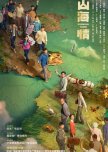
and I have a hard time understanding anyone who watches a drama like this and classifies it as just "propaganda", because for a "propaganda" there is a lot of criticism about the way the resettlement was directed and it portrays the issue of poverty well.
Ma Defu works more as a thread in the plot than as a typical protagonist, and I'm wondering how he's going to have a daughter if he doesn't have a love life so far (I'm finishing episode 18)
Rayzha Alimjan is a really good actress. I remember that she made me amazed with her performance on "The Longest Day In Chang'an" and here she give one of my favorite female characters till date.
If I were to rate it just for the script, which I thought was flat in a few moments, I would give this drama an 8.5. But, I believe that this cdrama exceeds my expectations in technical terms (mainly photography and scenography) and acting. This drama, even though it is a short drama (compared to other Chinese dramas) in the different mini arcs that make it up, managed to work on the characters so well that it is difficult to talk about one or two protagonists, since many characters play a leading role at certain moments. And I believe this is one of the strengths of this drama, giving depth to characters that in other dramas might not be well developed. And giving this more detailed characterization in a drama that works on the issue of "poverty alleviation" and retraces the government's efforts is impressive. "Poverty" is one of the biggest obstacles in our modern society, as it undermines dreams and hope, and the proposal to dramatize the journey towards overcoming it in a realistic way deserves praise, even more so considering that it involves real efforts and policies implemented in difficult times. i'm still finishing but my final rating will be 9.
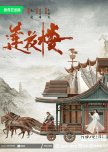
It's very difficult to find a drama that mixes fantasy, adventure and romance well, all with two mature actors with great chemistry, acting skills and, on top of that, a badass female protagonist. That's why for me it's a 9.