
 K-Drama


 3
3 3
3 3
3


The Cost of Being Good
I went into Cashero thinking I was signing up for a quirky superhero comedy.
The premise alone sounded playful: a man whose superpower scales with how much money he has on hand. It felt like one of those clever, high-concept ideas meant to generate laughs and light action. What I absolutely did not expect was to be emotionally dismantled within the first two episodes. Cashero is not interested in spectacle. It’s interested in cost. And once that clicks, every so-called “heroic moment” stops being thrilling and starts hurting in a very specific, adult way.
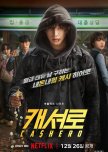
At the center of the story is Kang Sang-woong, played by Lee Jun-ho, and this might be one of his most quietly devastating roles. Sang-woong is not ambitious, not grand, not chasing greatness. He’s a regular man who did everything right. He saved diligently. He planned a future with his girlfriend. He wanted a home, stability, a small and decent happiness. Then he inherits a power that doesn’t elevate his life but interrupts it. His strength isn’t infinite, rechargeable, or symbolic. Every time he uses it, real money evaporates. Not metaphorical money. Not “energy.” Actual savings. Numbers you can calculate. A bus full of people costs him tens of millions. Saving the woman he loves drains the entire account he’d been building for years. Watching this happen feels less like witnessing heroism and more like watching someone set fire to their future in real time.
What makes this unbearable in the best way is the inner monologue. Kdramas almost never let us live inside a character’s head this explicitly, and Cashero weaponizes that choice. We hear every hesitation, every rationalization, every ugly, honest thought Sang-woong isn’t proud of. When he thinks, “If I had more money, I’d be a good person,” it lands like a punch to the chest because it’s not noble. It’s true. The drama doesn’t romanticize sacrifice; it itemizes it. Sirens don’t signal excitement. They signal loss. Another withdrawal. Another dream delayed or erased.
The generational aspect only deepens the tragedy. This power isn’t a random blessing. It’s inherited, passed down from grandfather to father to son like a debt that can’t be refused. A late revelation reframes Sang-woong’s father entirely. He wasn’t bad with money. He wasn’t irresponsible. In a letter, he admits that every time he tried to give his family more, the universe demanded more from him in return. That line alone encapsulates the soul of this drama. The better you try to live, the higher the bill becomes. Decency is not rewarded; it’s exploited. The power doesn’t punish greed. It punishes hope.
And yet, Sang-woong keeps choosing to act. Not because it’s right in some abstract moral sense, but because walking away would require him to become someone he cannot live with. That’s what makes him a hero. Not the rescues themselves, but the fact that he keeps stepping forward when stepping back would be easier, more logical, and more humane to himself. His heroism is reluctant, finite, and painfully rational, which makes it far more affecting than any cape-and-glory narrative.
A huge emotional anchor in this story is Kim Min-suk, played by Kim Hye-jun, and this was my first time watching her work. I genuinely fell in love with her here. Min-suk could have easily been written as the “worried girlfriend” archetype, but instead she becomes one of the drama’s emotional pillars. She is practical, intelligent, and emotionally generous. As the couple’s literal financial manager, she understands the cost of Sang-woong’s power more clearly than anyone, and yet she never reduces him to a ledger. Watching her grow from supportive girlfriend into wife is quietly heartwarming. She doesn’t just stand beside him; she chooses the life he’s forced into with open eyes. Her love isn’t blind optimism. It’s informed, deliberate commitment, and that makes it feel earned in a way K-drama relationships often struggle to achieve.
The supporting cast adds texture without diluting the core theme, but Cashero never loses sight of what it’s really about: real people, real limits, and sacrifice you can measure. This is a superhero story where the fantasy element only exists to make the reality sharper. When Sang-woong saves people, the triumph is immediately undercut by the aftermath. You don’t cheer. You grieve. And over time, you realize that’s the point. The show wants you to feel uncomfortable about how casually we celebrate self-sacrifice without asking who pays for it.
There is a late-stage narrative choice involving time travel that functions as a deus ex machina, and yes, this is the one place where the drama slightly overreaches. It’s a neat solution, and in another story it might feel cheap. Here, it doesn’t quite dilute the central theme, but you can feel the writer’s hand nudging the scales back toward balance. That said, this is nitpicking more than a true flaw. The emotional groundwork is so strong that the resolution still lands. The story never pretends that heroism becomes free or painless. Even at its most fantastical, the heart of Cashero remains intact.
By the end, what stayed with me wasn’t a single action sequence or dramatic reveal. It was the quiet, devastating idea at the core of the show: he’s out there using his own money to save the world. Not government funding. Not corporate backing. Not divine grace. Just one man, draining his personal future so strangers can keep theirs. That framing turns heroism into something fragile and deeply human, and it lingers long after the credits roll.
On a personal note, this also marked my third Lee Jun-ho drama and my second one back-to-back right after Typhoon Family, and watching him inhabit two deeply human yet fundamentally different characters in such close succession was an absolute treat. Where Typhoon Family asked him to navigate ambition, responsibility, and emotional restraint within a family and corporate framework, Cashero strips him down to something even more vulnerable: a man quietly negotiating with his conscience every time he opens his wallet. There’s no overlap, no comfort zone repetition, just range, control, and an instinctive understanding of ordinary people placed in extraordinary moral pressure. My respect for him as an actor has only deepened, and as of now, his Kdrama satisfaction rate for me remains a clean, undefeated 100%.
Cashero isn’t a power fantasy. It’s a ledger. And Sang-woong is always in the red. Yet somehow, despite everything, he keeps choosing to be good. Not because it’s rewarded, but because it’s who he is. That’s not flashy heroism. That’s the kind that hurts to watch, and the kind that’s hardest to forget.
The premise alone sounded playful: a man whose superpower scales with how much money he has on hand. It felt like one of those clever, high-concept ideas meant to generate laughs and light action. What I absolutely did not expect was to be emotionally dismantled within the first two episodes. Cashero is not interested in spectacle. It’s interested in cost. And once that clicks, every so-called “heroic moment” stops being thrilling and starts hurting in a very specific, adult way.
At the center of the story is Kang Sang-woong, played by Lee Jun-ho, and this might be one of his most quietly devastating roles. Sang-woong is not ambitious, not grand, not chasing greatness. He’s a regular man who did everything right. He saved diligently. He planned a future with his girlfriend. He wanted a home, stability, a small and decent happiness. Then he inherits a power that doesn’t elevate his life but interrupts it. His strength isn’t infinite, rechargeable, or symbolic. Every time he uses it, real money evaporates. Not metaphorical money. Not “energy.” Actual savings. Numbers you can calculate. A bus full of people costs him tens of millions. Saving the woman he loves drains the entire account he’d been building for years. Watching this happen feels less like witnessing heroism and more like watching someone set fire to their future in real time.
What makes this unbearable in the best way is the inner monologue. Kdramas almost never let us live inside a character’s head this explicitly, and Cashero weaponizes that choice. We hear every hesitation, every rationalization, every ugly, honest thought Sang-woong isn’t proud of. When he thinks, “If I had more money, I’d be a good person,” it lands like a punch to the chest because it’s not noble. It’s true. The drama doesn’t romanticize sacrifice; it itemizes it. Sirens don’t signal excitement. They signal loss. Another withdrawal. Another dream delayed or erased.
The generational aspect only deepens the tragedy. This power isn’t a random blessing. It’s inherited, passed down from grandfather to father to son like a debt that can’t be refused. A late revelation reframes Sang-woong’s father entirely. He wasn’t bad with money. He wasn’t irresponsible. In a letter, he admits that every time he tried to give his family more, the universe demanded more from him in return. That line alone encapsulates the soul of this drama. The better you try to live, the higher the bill becomes. Decency is not rewarded; it’s exploited. The power doesn’t punish greed. It punishes hope.
And yet, Sang-woong keeps choosing to act. Not because it’s right in some abstract moral sense, but because walking away would require him to become someone he cannot live with. That’s what makes him a hero. Not the rescues themselves, but the fact that he keeps stepping forward when stepping back would be easier, more logical, and more humane to himself. His heroism is reluctant, finite, and painfully rational, which makes it far more affecting than any cape-and-glory narrative.
A huge emotional anchor in this story is Kim Min-suk, played by Kim Hye-jun, and this was my first time watching her work. I genuinely fell in love with her here. Min-suk could have easily been written as the “worried girlfriend” archetype, but instead she becomes one of the drama’s emotional pillars. She is practical, intelligent, and emotionally generous. As the couple’s literal financial manager, she understands the cost of Sang-woong’s power more clearly than anyone, and yet she never reduces him to a ledger. Watching her grow from supportive girlfriend into wife is quietly heartwarming. She doesn’t just stand beside him; she chooses the life he’s forced into with open eyes. Her love isn’t blind optimism. It’s informed, deliberate commitment, and that makes it feel earned in a way K-drama relationships often struggle to achieve.
The supporting cast adds texture without diluting the core theme, but Cashero never loses sight of what it’s really about: real people, real limits, and sacrifice you can measure. This is a superhero story where the fantasy element only exists to make the reality sharper. When Sang-woong saves people, the triumph is immediately undercut by the aftermath. You don’t cheer. You grieve. And over time, you realize that’s the point. The show wants you to feel uncomfortable about how casually we celebrate self-sacrifice without asking who pays for it.
There is a late-stage narrative choice involving time travel that functions as a deus ex machina, and yes, this is the one place where the drama slightly overreaches. It’s a neat solution, and in another story it might feel cheap. Here, it doesn’t quite dilute the central theme, but you can feel the writer’s hand nudging the scales back toward balance. That said, this is nitpicking more than a true flaw. The emotional groundwork is so strong that the resolution still lands. The story never pretends that heroism becomes free or painless. Even at its most fantastical, the heart of Cashero remains intact.
By the end, what stayed with me wasn’t a single action sequence or dramatic reveal. It was the quiet, devastating idea at the core of the show: he’s out there using his own money to save the world. Not government funding. Not corporate backing. Not divine grace. Just one man, draining his personal future so strangers can keep theirs. That framing turns heroism into something fragile and deeply human, and it lingers long after the credits roll.
On a personal note, this also marked my third Lee Jun-ho drama and my second one back-to-back right after Typhoon Family, and watching him inhabit two deeply human yet fundamentally different characters in such close succession was an absolute treat. Where Typhoon Family asked him to navigate ambition, responsibility, and emotional restraint within a family and corporate framework, Cashero strips him down to something even more vulnerable: a man quietly negotiating with his conscience every time he opens his wallet. There’s no overlap, no comfort zone repetition, just range, control, and an instinctive understanding of ordinary people placed in extraordinary moral pressure. My respect for him as an actor has only deepened, and as of now, his Kdrama satisfaction rate for me remains a clean, undefeated 100%.
Cashero isn’t a power fantasy. It’s a ledger. And Sang-woong is always in the red. Yet somehow, despite everything, he keeps choosing to be good. Not because it’s rewarded, but because it’s who he is. That’s not flashy heroism. That’s the kind that hurts to watch, and the kind that’s hardest to forget.
Was this review helpful to you?


