

 3
3


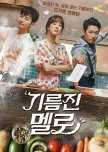
Cooking and romcom in one place. First come, first served. (Also no shirt, no service LOL).
These two dramas sound pretty similar in some points - master chefs in love with their job, some romance on the side, some high-stakes competition for a big prize.
Might be up to everyone's taste, too.
These two dramas sound pretty similar in some points - master chefs in love with their job, some romance on the side, some high-stakes competition for a big prize.
Might be up to everyone's taste, too.
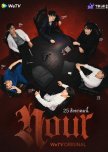
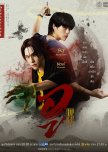
Both dramas involve the supernatural. There's a strong link between MLs though one is (supposedly) just a bromance and the other is much more than that. Both dramas feature one cold and distant ML while the other is much more outgoing and sticky. Cool special effects (no AI in Wu though). Too early to tell how the Nour OST is going to be but there are signs it's going to be good (Wu OST is amazing). Cute (or handsome, if you'd rather) MLs in both.
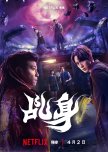
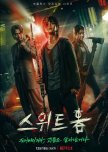
Though the plots are quite different, the special effects are top tier in both dramas. The monster parade is high-definition, diverse and entertaining. Both dramas also use an innocent-hero type of ML.
AFA is more supernatural and mythology-linked, SH is true horror with a scifi bent.
AFA is more supernatural and mythology-linked, SH is true horror with a scifi bent.
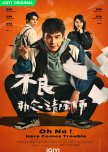
Seconding the ONHCT rec - these are both Taiwanese dramas with a supernatural story. There are elements of Chinese myths throughout. Both dramas involve reluctant but decisive MLs, who have simple souls but also very strong moral compassess. In both cases, the plot is strong and the special effects are good and support the story.
It looks like if SK has the knack of horror dramas, Taiwan is sure getting ahead when it's about supernatural.
It looks like if SK has the knack of horror dramas, Taiwan is sure getting ahead when it's about supernatural.
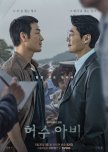
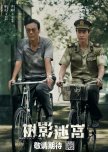
The description of The Scarecrow is basically the plot line of Dead End. Since TS hasn't aired yet, I can't say how similar they actually would be - but if the summary respects the drama storyline... they'll be very much alike.
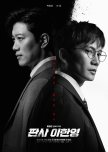
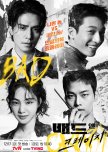
Yeah, so it looks like The Judge Returns will definitely take on a more unhinged approach to the main character's personality, just like Bad and Crazy does. So if you're into all-over-the-place, extreme behaviours MCs, these two dramas offer them.
More similarities - a legal setting (judge vs. prosecutor), some trauma, a good support team.
More similarities - a legal setting (judge vs. prosecutor), some trauma, a good support team.
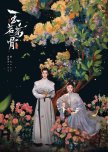
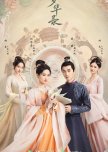
Going only on the first ep of Glory - similar story of multiple female main characters, smart ML, conspiracy in Ancient China, enemies-to-lovers trope.
Loosely related through the industry the women are in - tea plantation vs. teahouse.
Good production values in both, great casts.
Loosely related through the industry the women are in - tea plantation vs. teahouse.
Good production values in both, great casts.

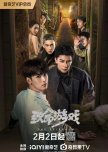
Two world/time-explorers with their own motives, one experienced, the other new to it. Male-lead drama. Maybe hints of at least strong bromance in The Company (censored danmei in The Spirealm).
Good (unexpectedly good) production values. Pretty good ED song, nice OP, too.
Good (unexpectedly good) production values. Pretty good ED song, nice OP, too.
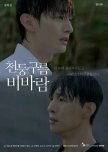
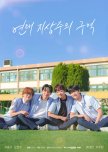
These are basically the best two BL kdramas to come in the past few years. There's pretty good acting, vulnerable MC, hurt and healing, good music, decent time to develop (they could always use more, but at least the eps are long enough). And people actually have great chemistry and are not afraid to get close and touch.
Both are highly recommended.
Both are highly recommended.
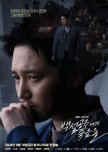
Old cases that seemed solved turn out to be cold cases. Same eerie small-town atmosphere, where everybody knows everybody else's business but at the same time murders were committed and people were blamed when they were not guilty, based on how the town perceives them.
Also - personal hurt and obsession / drive to solve the murders for the leads. Nice plot pacing (though slow).
Also - personal hurt and obsession / drive to solve the murders for the leads. Nice plot pacing (though slow).

Police stories featuring life at its most frustrating part. Both present very long cold cases, with slowly addictive characters, driven by obsession and stubborness. The mysteries aren't revealed all at once, it takes a very long time in both dramas to find out whodunnit. Kind of a similar atmosphere of weighty expectation for the leads to finally solve it and be done with it in order to live the rest of their lives freely.
... And lots of missed chances (that's the frustrating part).
... And lots of missed chances (that's the frustrating part).

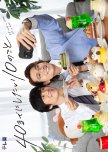
10 Things is a lot more romantic-driven than Chosen Home, but still, it's about an older gay man who is too lonely for his own good until he finds love.
I've no idea if Chosen Home will go there (and if it does, it definitely won't get there by a too-romantic way), but it's interesting to see older people's romances, as slow and mellow as they might be.
I've no idea if Chosen Home will go there (and if it does, it definitely won't get there by a too-romantic way), but it's interesting to see older people's romances, as slow and mellow as they might be.


