




This review may contain spoilers
When Being a Good Person Costs Everything
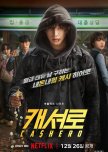
Kang Sang-Ung is not some chosen-one saviour or billionaire vigilante. He’s a civil servant, trying to be a good boyfriend, a good son, and eventually a good husband. His superpower is cruelly ironic. He becomes strong only when he has cash on him, and every act of heroism literally drains his savings. Strength equals sacrifice, and the bill is always due.What Cashero understands, and what elevates it beyond its gimmick, is that the money was never the point. The show keeps circling back to this idea through Sang-Ung’s father, who says it outright later on: When you are in the act of saving someone, there comes a moment where money simply stops mattering. That shift is crucial. Even when Sang-Ung hits his limit, even when the cash is gone, the show makes it clear that he would still step forward. The hero is the choice, not the ability.
That theme lands hardest in Sang-Ung’s relationship with Min-Suk, which I think is one of the drama’s strongest and most misunderstood elements. She isn’t a nag, and she isn’t cold. She is painfully realistic. After nine years of stagnation, she wants stability, a future, a home. Her obsession with numbers and efficiency is not greed, it’s survival. What makes their relationship work is that the show never pretends her fears are invalid. Over time, her arc isn’t about rejecting money, but about learning that life itself is the greater investment. The final episodes bring this full circle in a way that’s genuinely touching, especially when she quite literally chooses life over savings.
The supporting cast is also great. Ho-In and Eun-Mi could have easily been throwaway comic relief, but they instead embody different responses to power and responsibility. Ho-In’s arc, in particular, is quietly devastating, a man who drinks himself into usefulness while knowing his time is limited. Eun-Mi’s calorie-fuelled telekinesis sounds silly on paper, yet she grounds the show with surprising emotional honesty. These characters reinforce the idea that power is never free. Everyone pays in their own way.
Is Cashero flawless? No. The tone can wobble, especially when it leans too hard into familiar action and suspense beats instead of sitting with its emotional consequences. Some villains feel more symbolic than fully fleshed out, and there are moments where the show moves faster than it should, skimming past ideas that deserved more breathing room. The world it builds is fascinating, but you do occasionally feel the strain of too many ideas competing for space.
Still, what stays with you is the heart. The final act, where ordinary people quite literally rally around Sang-Ung, turns the show’s central metaphor inside out. Pennies matter. Small kindnesses matter. Community matters. Strength doesn’t come from hoarded wealth, but from what people are willing to give up for one another. It’s corny on paper and unexpectedly moving in execution.
Cashero is about choosing decency in a system that punishes it, about refusing to become numb, and about believing that doing the right thing is still worth the cost.
Was this review helpful to you?


