
 K-Drama

 155
155 454
454 17
17 1
1 2
2 6
6 3
3 8
8 10
10 3
3 14
14 1
1 1
1 1
1 2
2 1
1 2
2 7
7 14
14 9
9 10
10


"Sexy food"
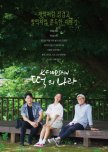
A Nation of Tteok was the fourth installment in this delightful franchise. Mimi, Ryu Soo Young, and Heo Young Man returned as our guides, this time walking us through the history of, making of, and variations of tteok.
Tteok preceded cooked rice in the diets of the people as cooked rice required more sophisticated milling processes. Having been around since the Bronze Age, this has given people plenty of time to come up with almost endless variations on preparing the rice cakes. At last count South Korea has more than 250 types of tteok.
In episode 1, our guides went to a Buddhist temple in the mountains of Cheongdo to see how they prepared their vegetarian rice cake soup. The First Full Moon Fest came next with a huge bamboo bonfire. From there they explored the different kinds of tteok made with seasonal ingredients from different regions.
Episode 2 visited the historical and current use of tteok for the Mid-Autumn Harvest Festivals. Early royal banquet tteok recipes were shown. Provinces that had little access to rice found ways to make tteok out of potato starch or pine tree bark. And last but not least, the famous tteokbokki shown in so many school dramas was explored with many of its varieties.
During the 2 episodes the guides helped knead, pound, and form different kinds of tteok. They also sampled tteok made with chestnuts, pumpkin, kudzu, ginko nuts, jujubes, seaweed, different kinds of leaves, and just about anything else you could think of. It turns out tteok is quite versatile. Soups, “burgers”, wraps, treats, side dishes, and a host of other forms were showcased.
Tteok was said to bind the people together and eaten in happiness. Used for celebrations and milestones, it’s a food that historically was meant to be kneaded, pounded, and shared together with neighbors and family. Enfolded in the beloved food were the blessings and good wishes of the preparers and givers. Each version had its own form, texture, aroma, color, and taste whether rustically made or artistically created by fine dining chefs. For the most part, ajummas were the stars as they foraged for ingredients and then lovingly made the specialties from their regions. These special rice cakes showed the patience, persistence, and resourcefulness of the Korean people who discovered ways of making delicious food, even when it was scarce. If you have enjoyed the other three installments of this show, I could easily recommend this one. Sweet, comforting, and informative, this tteok went down easily.
3 November 2025
Tteok preceded cooked rice in the diets of the people as cooked rice required more sophisticated milling processes. Having been around since the Bronze Age, this has given people plenty of time to come up with almost endless variations on preparing the rice cakes. At last count South Korea has more than 250 types of tteok.
In episode 1, our guides went to a Buddhist temple in the mountains of Cheongdo to see how they prepared their vegetarian rice cake soup. The First Full Moon Fest came next with a huge bamboo bonfire. From there they explored the different kinds of tteok made with seasonal ingredients from different regions.
Episode 2 visited the historical and current use of tteok for the Mid-Autumn Harvest Festivals. Early royal banquet tteok recipes were shown. Provinces that had little access to rice found ways to make tteok out of potato starch or pine tree bark. And last but not least, the famous tteokbokki shown in so many school dramas was explored with many of its varieties.
During the 2 episodes the guides helped knead, pound, and form different kinds of tteok. They also sampled tteok made with chestnuts, pumpkin, kudzu, ginko nuts, jujubes, seaweed, different kinds of leaves, and just about anything else you could think of. It turns out tteok is quite versatile. Soups, “burgers”, wraps, treats, side dishes, and a host of other forms were showcased.
Tteok was said to bind the people together and eaten in happiness. Used for celebrations and milestones, it’s a food that historically was meant to be kneaded, pounded, and shared together with neighbors and family. Enfolded in the beloved food were the blessings and good wishes of the preparers and givers. Each version had its own form, texture, aroma, color, and taste whether rustically made or artistically created by fine dining chefs. For the most part, ajummas were the stars as they foraged for ingredients and then lovingly made the specialties from their regions. These special rice cakes showed the patience, persistence, and resourcefulness of the Korean people who discovered ways of making delicious food, even when it was scarce. If you have enjoyed the other three installments of this show, I could easily recommend this one. Sweet, comforting, and informative, this tteok went down easily.
3 November 2025
Was this review helpful to you?


