
 K-Drama

 152
152 449
449 17
17 2
2 6
6 3
3 8
8 10
10 3
3 14
14 1
1 1
1 1
1 2
2 1
1 2
2 7
7 14
14 9
9 10
10


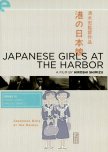
"It will always be just the two of us"
Japanese Girls at the Harbor was one of Shimizu Hiroshi’s silent films. Two inseparable school girls find their friendship challenged when they both fall for the older bad boy on a motorcycle. He wasn’t worthy of either of them, but this was a male fantasy, not a female one.
Dora and Sunako are two school girls and friends who love viewing the Yokohama harbor. As soon as Dora proclaims, “It will always be just the two of us,” Henry rides in on his motorcycle and off with Sunako. Now Henry and Sunako are inseparable…until Henry ghosts her for Yoko. Oh, poor Henry, never heard the song lyrics, “Don’t go around breaking young girls’ hearts.” Sunako makes an impulsive decision that changes everyone’s lives.
This is where I would normally rant about the patriarchy, but today, I’m going to take a different angle on this story of one man being loved by three women, two of which had their lives ruined. Both Sunako and Yoko claimed that God had not forgiven them and they were being punished. Both ended up in unsavory jobs. Now allow me to perform a thought exercise. If women are so emotionally unstable, unable to easily attain forgiveness from God and man, and immediately punished for transgressions, shouldn’t it be on men to be the responsible ones? Henry cheated on not one but three women! He ran around with hoodlums in the first part of the film and yet still found socially acceptable employment. He violated moral and social laws but suffered no punishment and was easily forgiven by God, society, and the women. In fact, despite his moral and social failings, all the women were still madly in love with him. Therefore, being on the untouchable moral high seat, and the one who destroyed two women’s lives and almost a third, he should have been the one to be punished and ostracized instead of rewarded. It was on him to not tamper with blatantly inferior creatures. Creatures who had only two paths in life-housewife or hooker. To shamelessly quote Spiderman’s Uncle Ben, “With great power comes great responsibility.” Therefore, God and society should have taken the superior, and older, Henry to task for playing with the undeveloped feelings and minds of such inferior young girls. Knowing he was the vastly superior creature it was on him to not tempt weak girls with his glorious manhood and unlimited forgiveness and opportunities. Because he handed out and withdrew his vaunted affection and presence, the poor women had no choice in the matter and could not process such extreme magnificence and loss. Such feeble and ignorant creatures should not have been held liable for their innate physical, emotional, and moral frailty, as they were not designed to know any better. He was. I rest my case Mr. Shimizu.
Despite my eye-rolling regarding the fawning over pretty, but lackluster Henry, the film was beautifully shot for the time and wasn’t plagued by the salt and pepper pock marking of so many other silent films. Shimizu used a ball of yarn to denote the relationships’ status throughout the film--marital bliss, marital discord, entanglements, and friendship. Though I’ve banged on about the rigid traditional roles, a male painter entered the picture willing to take on women’s work in a role reversal in order to be closer to Sunako. Whether a more egalitarian take or that’s the best the damaged Sunako could hope for was a man who didn’t have any male dignity, I don’t know. After a long loop, the friends have to decide if there is anything left to salvage, all in the shadow of Henry. Even with my misgivings, for people who enjoy these old films, Japanese Girls at the Harbor is one to check out.
2 February 2026
A piano accompaniment was added that actually fit quite well, matched and enhanced the mood without being distracting. Sometimes music that is added later doesn't always fit the emotion of the scenes and draws attention away from the story.
Housekeeping notes: I was saddened to learn that the actress who played Sunako died a few years later of TB. I have now seen all of Inoue Yukiko's short list of silent films.
Dora and Sunako are two school girls and friends who love viewing the Yokohama harbor. As soon as Dora proclaims, “It will always be just the two of us,” Henry rides in on his motorcycle and off with Sunako. Now Henry and Sunako are inseparable…until Henry ghosts her for Yoko. Oh, poor Henry, never heard the song lyrics, “Don’t go around breaking young girls’ hearts.” Sunako makes an impulsive decision that changes everyone’s lives.
This is where I would normally rant about the patriarchy, but today, I’m going to take a different angle on this story of one man being loved by three women, two of which had their lives ruined. Both Sunako and Yoko claimed that God had not forgiven them and they were being punished. Both ended up in unsavory jobs. Now allow me to perform a thought exercise. If women are so emotionally unstable, unable to easily attain forgiveness from God and man, and immediately punished for transgressions, shouldn’t it be on men to be the responsible ones? Henry cheated on not one but three women! He ran around with hoodlums in the first part of the film and yet still found socially acceptable employment. He violated moral and social laws but suffered no punishment and was easily forgiven by God, society, and the women. In fact, despite his moral and social failings, all the women were still madly in love with him. Therefore, being on the untouchable moral high seat, and the one who destroyed two women’s lives and almost a third, he should have been the one to be punished and ostracized instead of rewarded. It was on him to not tamper with blatantly inferior creatures. Creatures who had only two paths in life-housewife or hooker. To shamelessly quote Spiderman’s Uncle Ben, “With great power comes great responsibility.” Therefore, God and society should have taken the superior, and older, Henry to task for playing with the undeveloped feelings and minds of such inferior young girls. Knowing he was the vastly superior creature it was on him to not tempt weak girls with his glorious manhood and unlimited forgiveness and opportunities. Because he handed out and withdrew his vaunted affection and presence, the poor women had no choice in the matter and could not process such extreme magnificence and loss. Such feeble and ignorant creatures should not have been held liable for their innate physical, emotional, and moral frailty, as they were not designed to know any better. He was. I rest my case Mr. Shimizu.
Despite my eye-rolling regarding the fawning over pretty, but lackluster Henry, the film was beautifully shot for the time and wasn’t plagued by the salt and pepper pock marking of so many other silent films. Shimizu used a ball of yarn to denote the relationships’ status throughout the film--marital bliss, marital discord, entanglements, and friendship. Though I’ve banged on about the rigid traditional roles, a male painter entered the picture willing to take on women’s work in a role reversal in order to be closer to Sunako. Whether a more egalitarian take or that’s the best the damaged Sunako could hope for was a man who didn’t have any male dignity, I don’t know. After a long loop, the friends have to decide if there is anything left to salvage, all in the shadow of Henry. Even with my misgivings, for people who enjoy these old films, Japanese Girls at the Harbor is one to check out.
2 February 2026
A piano accompaniment was added that actually fit quite well, matched and enhanced the mood without being distracting. Sometimes music that is added later doesn't always fit the emotion of the scenes and draws attention away from the story.
Housekeeping notes: I was saddened to learn that the actress who played Sunako died a few years later of TB. I have now seen all of Inoue Yukiko's short list of silent films.
Was this review helpful to you?


