
 K-Drama

 155
155 454
454 17
17 1
1 2
2 6
6 3
3 8
8 10
10 3
3 14
14 1
1 1
1 1
1 2
2 1
1 2
2 7
7 14
14 9
9 10
10


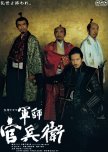
"It's all for the sake of survival"
At 50 episodes, to say I was trepidatious about Strategist Kanbe would be an understatement. 50 episodes of strategizing, political intrigue, and civil war sounded exhausting. I kept waiting for the lull, the deadly repetitions, but they didn’t come for the most part. Turns out I ate it up with a spoon, becoming deeply invested in Team Kanbe.
Here is where I usually give a brief synopsis of the drama. I have over 100 pages of notes, so that’s not really possible for a wordy person like me. Suffice to say, this drama began with Kuroda Kanbe as a child and showed his evolution into one of the best strategists in Japan until his death. His service was both highly desired and feared. The action took place during the Sengoku Era of civil wars and political unrest. Kanbe’s family served the most fickle, sniveling lord in the land, Lord Kodera Masamoto, making life difficult for Kanbe and his father before him. Kanbe would have to learn his skills quickly as two rival powers vied for supremacy with every clan having to pick a side. Family and friends would find themselves on opposite sides, fighting to the death.
What I liked:
“Kanbe knows the future too well.”
I enjoyed Okada Junichi’s performance, even when the director leaned too heavily into the same close-ups. Kanbe was a fascinating character who valued life and always sought solutions that minimized casualties. He learned when to move quickly and when to patiently wait. His strongest desire was to unify the country and end the warring era and making of monsters. Whenever he could, he turned enemies into if not friends, allies. He tried to maximize not only his life but everyone around him. There were also terrible situations where he had to make difficult decisions for the survival of the Kuroda. My only complaint about this portrayal was that there were times he was too angelic, forgiving too easily and felt like historical white washing.
Team Kanbe: Papa Kuroda, Uncle Kuroda, Zensuke, Kuroemon, and Tahei. The latter three, and the actors who portrayed them were delightful as the loyal and competent vassals. I could have used more of them. Every scene with Kuroda Mototaka (Shibata Kyohei) was a gold star moment. I wish Papa Kuroda could have lived forever.
It was interesting to see how Oda, played by the charismatic Eguchi Yosuke, turned the samurai hierarchy on its head by promoting a sandal warmer and later an unemployed ronin causing the status quo to bristle. And when said sandal warmer made his way to the top with help from Strategist Kanbe, like those before him, he stopped listening to criticism, eradicating anyone who could be a threat-real or imagined. As peace was within their grasps, the rulers widened their targets and sought to conquer other countries instead of investing in peace and prosperity for their citizens. It’s difficult to have the powerful echelon built on being a war machine and then not have a war to fight. The attention could once again stray inwards. The drama didn’t give short shrift to the two disastrous Korean (Joseon) wars.
Ibu Masato as the cagey tea master, Rikyu, ever ready with a cracked bowl of tea and pithy remonstration or bit of advice.
Competent and influential women: Teru, Kanbe’s loyal wife armed with supportive words, a shove forward, or a weapon to defend her keep. The other wives who helped their men succeed-Ohne (Oda’s wife), One (Hideyoshi’s wife), Dashi (Araki’s wife), and Okon (sniveling Lord Kodera’s too good for him wife). Lady Yodo was a schemer, but her portrayal was lacking.
The things that made me go hmmm…
The drama did the best it could at the time with the budget they had of portraying grand armies and battles in small contained spaces to make them appear bigger. But I could almost hear the fight choreographer yelling at the extras who died at the front to run around to the back to be killed again.
I know it was historically accurate but some characters had up to four name changes, many at least two. That was hard to track with a huge cast. Characters were added throughout the drama for further confusion. If they could have stuck with consistently using either a character’s given name or family name it would have helped.
There wasn’t enough Vaseline in Japan to spread on the camera lens to make the mid-thirties actors look 16. Though they did try at times with the addition of gauzy light.
What didn’t work as well:
There were several actors who overacted leaving bite marks all over the scenery. There was so much shouting that gobs of spit pooled in their beards and mustaches or collided with dust motes hanging in the air. And I thought English was the spittingest language. There were a few of the younger actors who weren’t as strong as the veterans.
The wigs were awful. Camera angles above the partially bald heads revealing the crumpled fabric and wig glue/tape didn’t help.
I admit to having battle and death bed scene fatigue by episode 49. Not everyone deserved a long death scene. Just let them die already.
Even with a few reservations, this drama flew by. I found it deeply compelling and couldn’t wait to queue up the next episode. It’s not a drama for everyone. You have to enjoy political intrigue, jockeying for power, protracted methodical strategizing, and yes, some repetitious behavior due to the historical situations. Understandably, that’s not everyone’s jam.
Strategist Kanbe lived in a dangerous time where words, failures, inopportune political alliances, even successes, could mean death. Kanbe reveled in the adrenaline and the game willing to take great risks to be a king/shogun maker. The only problem being, kings don’t like having someone around who can see the future too well and carry the sin of being ungreedy. Staying alive could be the most harrowing strategy of all. If you enjoy historical dramas, this might be one to try.
“Nothing is scarier than an ungreedy man.”
7 September 2026
Traditional historical disclaimer: This is not a history I am overly familiar with so I have no idea if everything was properly told. It seemed to hit the main marks of the times. Oftentimes in dramatizations, characters are excluded or combined, some areas are glossed over or enhanced. I only review for entertainment purposes.
Spelling Note: I chose to spell Kanbe’s name as it is written in the title though the subtitles used Kanbei and another spelling shows Kanbee.
Trigger: bug eating
Here is where I usually give a brief synopsis of the drama. I have over 100 pages of notes, so that’s not really possible for a wordy person like me. Suffice to say, this drama began with Kuroda Kanbe as a child and showed his evolution into one of the best strategists in Japan until his death. His service was both highly desired and feared. The action took place during the Sengoku Era of civil wars and political unrest. Kanbe’s family served the most fickle, sniveling lord in the land, Lord Kodera Masamoto, making life difficult for Kanbe and his father before him. Kanbe would have to learn his skills quickly as two rival powers vied for supremacy with every clan having to pick a side. Family and friends would find themselves on opposite sides, fighting to the death.
What I liked:
“Kanbe knows the future too well.”
I enjoyed Okada Junichi’s performance, even when the director leaned too heavily into the same close-ups. Kanbe was a fascinating character who valued life and always sought solutions that minimized casualties. He learned when to move quickly and when to patiently wait. His strongest desire was to unify the country and end the warring era and making of monsters. Whenever he could, he turned enemies into if not friends, allies. He tried to maximize not only his life but everyone around him. There were also terrible situations where he had to make difficult decisions for the survival of the Kuroda. My only complaint about this portrayal was that there were times he was too angelic, forgiving too easily and felt like historical white washing.
Team Kanbe: Papa Kuroda, Uncle Kuroda, Zensuke, Kuroemon, and Tahei. The latter three, and the actors who portrayed them were delightful as the loyal and competent vassals. I could have used more of them. Every scene with Kuroda Mototaka (Shibata Kyohei) was a gold star moment. I wish Papa Kuroda could have lived forever.
It was interesting to see how Oda, played by the charismatic Eguchi Yosuke, turned the samurai hierarchy on its head by promoting a sandal warmer and later an unemployed ronin causing the status quo to bristle. And when said sandal warmer made his way to the top with help from Strategist Kanbe, like those before him, he stopped listening to criticism, eradicating anyone who could be a threat-real or imagined. As peace was within their grasps, the rulers widened their targets and sought to conquer other countries instead of investing in peace and prosperity for their citizens. It’s difficult to have the powerful echelon built on being a war machine and then not have a war to fight. The attention could once again stray inwards. The drama didn’t give short shrift to the two disastrous Korean (Joseon) wars.
Ibu Masato as the cagey tea master, Rikyu, ever ready with a cracked bowl of tea and pithy remonstration or bit of advice.
Competent and influential women: Teru, Kanbe’s loyal wife armed with supportive words, a shove forward, or a weapon to defend her keep. The other wives who helped their men succeed-Ohne (Oda’s wife), One (Hideyoshi’s wife), Dashi (Araki’s wife), and Okon (sniveling Lord Kodera’s too good for him wife). Lady Yodo was a schemer, but her portrayal was lacking.
The things that made me go hmmm…
The drama did the best it could at the time with the budget they had of portraying grand armies and battles in small contained spaces to make them appear bigger. But I could almost hear the fight choreographer yelling at the extras who died at the front to run around to the back to be killed again.
I know it was historically accurate but some characters had up to four name changes, many at least two. That was hard to track with a huge cast. Characters were added throughout the drama for further confusion. If they could have stuck with consistently using either a character’s given name or family name it would have helped.
There wasn’t enough Vaseline in Japan to spread on the camera lens to make the mid-thirties actors look 16. Though they did try at times with the addition of gauzy light.
What didn’t work as well:
There were several actors who overacted leaving bite marks all over the scenery. There was so much shouting that gobs of spit pooled in their beards and mustaches or collided with dust motes hanging in the air. And I thought English was the spittingest language. There were a few of the younger actors who weren’t as strong as the veterans.
The wigs were awful. Camera angles above the partially bald heads revealing the crumpled fabric and wig glue/tape didn’t help.
I admit to having battle and death bed scene fatigue by episode 49. Not everyone deserved a long death scene. Just let them die already.
Even with a few reservations, this drama flew by. I found it deeply compelling and couldn’t wait to queue up the next episode. It’s not a drama for everyone. You have to enjoy political intrigue, jockeying for power, protracted methodical strategizing, and yes, some repetitious behavior due to the historical situations. Understandably, that’s not everyone’s jam.
Strategist Kanbe lived in a dangerous time where words, failures, inopportune political alliances, even successes, could mean death. Kanbe reveled in the adrenaline and the game willing to take great risks to be a king/shogun maker. The only problem being, kings don’t like having someone around who can see the future too well and carry the sin of being ungreedy. Staying alive could be the most harrowing strategy of all. If you enjoy historical dramas, this might be one to try.
“Nothing is scarier than an ungreedy man.”
7 September 2026
Traditional historical disclaimer: This is not a history I am overly familiar with so I have no idea if everything was properly told. It seemed to hit the main marks of the times. Oftentimes in dramatizations, characters are excluded or combined, some areas are glossed over or enhanced. I only review for entertainment purposes.
Spelling Note: I chose to spell Kanbe’s name as it is written in the title though the subtitles used Kanbei and another spelling shows Kanbee.
Trigger: bug eating
Was this review helpful to you?


