

 151
151 446
446 17
17 2
2 6
6 3
3 8
8 10
10 3
3 13
13 1
1 1
1 1
1 1
1 2
2 7
7 9
9 6
6 10
10


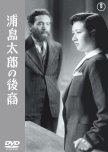
"Stop calling me a hero. I just yell."
A Descendant of Urashima Taro was a strange departure for Naruse Mikio who was not known for his politically charged films. Given that it was 1946 and he had both Japanese and Allied censors over his shoulder and a populace reeling economically, socially, emotionally, and politically from WWII, I’m willing to cut him some slack on the overt propaganda. It was supposedly inspired by Mr. Smith Goes to Washington, a 1939 Frank Capra film. There was also a passing correlation to the fairytale of Urashima Taro.*
Reporter Tatsuta Akako hears a radio program interview of a repatriated soldier who had been stranded on an uncharted island for a year and a half. He learned a yell the islanders used when they were sad. Over the airwaves he cries for Japan, desiring a democratic rebirth where all people have a say and stake in the country. Akako figures out how to market the hermit Urashima Goro’s huge beard and iconic yell in order for her to have stories to write. The Japan Happiness Party also sees Urashima as a money maker and puppet for their party. Though they bill themselves as democratic they are just another configuration of the old system run by the zaibatsu-powerful financial conglomerates.
ADoUT starred Fujita Susumu as Urashima, an actor I was introduced to through Kurosawa Akira films like Sanshiro Sugata (1943) and kaiju flicks like Dogora (1964), but due to his large unkempt beard and the blurriness of the film I couldn’t recognize him. Takamine Hideko was the intrepid reporter who created and then had to destroy Urashima. Again, the blurriness of the film obscured her beautiful face, but her distinctive voice rang true. Reliable character actress, Sugimura Haruko, played Akako’s savvy boss.
The film was needlessly repetitive and if I never hear that Tarzan falling off a cliff yell again it will be too soon. I’m all for democracy but the rhetoric was laid on thick and often. There was a legitimate call for people to take part in the political process and to be aware of fake parties attempting to lead them back to the past. Urashima desired for Japan to be reborn. “Hope should be as big as the sun.” The performances were fine for the film but this wasn’t exactly a showcase for the actors’ abilities. The only hint I saw of Naruse was that women played prominent roles in the film both as creators and destroyers. Worth a view for a look into that moment in Japanese history and if you are a Naruse completionist.
18 September 2026
Title note: aka The Descendants of Taro Urashima. I went with the singular Descendant title as it at least had the name in the correct order.
*Urashima Taro-Urashima Goro mentioned that he made up the bit about being a descendant as the original Urashima had no offspring. Urashima Taro was a fisherman who rescued a sea turtle being tortured by children and was rewarded with a trip to the underwater Dragon Palace where he met the princess he’d saved. After a few days he asked to go home. The princess gifted him a box that would protect him but he must never open it. When he returned to his village, 300 years had gone by. In despair he opened the box and instantly became an old man, as the box had contained his old age.
Reporter Tatsuta Akako hears a radio program interview of a repatriated soldier who had been stranded on an uncharted island for a year and a half. He learned a yell the islanders used when they were sad. Over the airwaves he cries for Japan, desiring a democratic rebirth where all people have a say and stake in the country. Akako figures out how to market the hermit Urashima Goro’s huge beard and iconic yell in order for her to have stories to write. The Japan Happiness Party also sees Urashima as a money maker and puppet for their party. Though they bill themselves as democratic they are just another configuration of the old system run by the zaibatsu-powerful financial conglomerates.
ADoUT starred Fujita Susumu as Urashima, an actor I was introduced to through Kurosawa Akira films like Sanshiro Sugata (1943) and kaiju flicks like Dogora (1964), but due to his large unkempt beard and the blurriness of the film I couldn’t recognize him. Takamine Hideko was the intrepid reporter who created and then had to destroy Urashima. Again, the blurriness of the film obscured her beautiful face, but her distinctive voice rang true. Reliable character actress, Sugimura Haruko, played Akako’s savvy boss.
The film was needlessly repetitive and if I never hear that Tarzan falling off a cliff yell again it will be too soon. I’m all for democracy but the rhetoric was laid on thick and often. There was a legitimate call for people to take part in the political process and to be aware of fake parties attempting to lead them back to the past. Urashima desired for Japan to be reborn. “Hope should be as big as the sun.” The performances were fine for the film but this wasn’t exactly a showcase for the actors’ abilities. The only hint I saw of Naruse was that women played prominent roles in the film both as creators and destroyers. Worth a view for a look into that moment in Japanese history and if you are a Naruse completionist.
18 September 2026
Title note: aka The Descendants of Taro Urashima. I went with the singular Descendant title as it at least had the name in the correct order.
*Urashima Taro-Urashima Goro mentioned that he made up the bit about being a descendant as the original Urashima had no offspring. Urashima Taro was a fisherman who rescued a sea turtle being tortured by children and was rewarded with a trip to the underwater Dragon Palace where he met the princess he’d saved. After a few days he asked to go home. The princess gifted him a box that would protect him but he must never open it. When he returned to his village, 300 years had gone by. In despair he opened the box and instantly became an old man, as the box had contained his old age.
Was this review helpful to you?


