
 News


 158
 457
 17
 1
 2
 6
 3
 8
 10
 3
 14
 1
 1
 1
 2
 1
 3
 7
 14
 9
 12


"Human are unpredictable"
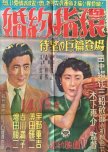
An Engagement Ring aka Wedding Ring was a post WWII film dealing with love, heartache, and longing. Starring Mifune Toshiro and Tanaka Kinuyo it wasn’t hard to see how these two lonely people could be attracted to each other.
Kuki Noriko runs the family jewelry story in Tokyo riding the train home on the weekends. Her husband, Michio, was drafted right after they married, was repatriated two years after the end of the war, and then was stricken with illness (TB?). He lives in their seaside vacation home with his retired father. On a return trip home, Noriko takes the bus. Dr. Ema Takeshi is also on the bus and literally tumbles into her lap several times on the winding road. Turns out he is Michio’s new doctor. On their travels to and from Tokyo, Noriko and Ema realize they have an attraction for each other. Michio notices the change in his wife and is guilt stricken that he is unable to give her what she needs.
Writer/Director Kinoshita Keisuke was careful to not villainize any of the main characters. They were all gracious, honorable people caught in a fevered dream. Noriko loved her husband yet in seven years they’d only lived as husband and wife for less than a year. She yearned for a man’s affection and touch, something her husband had been unable to give her. Enter Dr. Ema played by the sexy beast of a man Mifune Toshiro. Tanaka was 40ish at the time and Mifune was 30. Not only was the good doctor in athletic shape but he was young as well. Michio envied their health as he lay helplessly in bed writing depressing poetry. He wanted his wife to be happy and fulfilled lamenting that he was unable to achieve those desires.
The sexual tension between Ema and Noriko was restrained but palpable. Kinoshito kept dialogue to a minimum allowing his actors to express their longing through their faces and body language. The sensual touch of a hand reminded me of one of the sexiest scenes I’ve ever seen in a movie, when Daniel Day Lewis removed Michelle Pfeiffer’s glove in The Age of Innocence (1993). Mifune was never terribly believable as a shy, awkward character. Just his presence alone made Ema’s attraction to him believable. (She had more restraint than I would have. Fan girl moment!) Yet as attracted as they were to each other, they resisted acting upon their feelings out of a sense of duty and compassion. They both liked Michio and wanted him well. Ema told Michio the best medicine would be for him to make love to his wife!
I enjoyed the scenery from the train and bus windows. Bucolic fields, trees laden with beautiful, fragile cherry blossoms, and dangerous mountain roads would have been stunning in color. The symbolism of each played a role in the burgeoning relationship. The music was unremarkable which didn’t bother me because I was fixated on the two adults wrestling with their overwhelming desire and guilt.
The titular engagement ring-what a rock!-indicated where Noriko’s heart was leaning whether she wore it or forgot to. The huge diamond was a reminder that this film was unusual for a post WWII film as so many of them dealt with financial destitution. This family was quite well to do though Noriko shouldered the responsibility of running the jewelry store and caring for her invalid husband. Lonely, tired, and stressed, Ema’s presence provided a spring in her step and a bright energetic smile.
The Engagement Ring kept a gentle pace as the characters wrestled with their loyalties and longings. Heartache was inevitable for at least one of these nice people. Tanaka Kinuyo and Mifune Toshiro managed to make their characters sympathetic as they sought a treatment for the fever afflicting them. Even cannonballing into the ocean wasn’t enough to cool these two off.
3 November 2026
Was this review helpful to you?


