

 2
2 2
2 1
1


This review may contain spoilers
"To Changan: A Lantern's Glow in the Labyrinth of a Dynasty's Soul" ??️
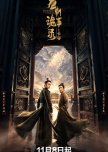
Chang’an 🏮—the city of a thousand lanterns, where music drifts through the night air 🎶 and secrets breathe behind silk screens 🌸. Beneath the gold and glory of the Kaiyuan Era 👑, shadows begin to stir 🌫️—whispers of spirits 👻, ancient grudges 🐉, and a lingering scent of danger ⚔️ curling through the alleys. The familiar pair returns once more 💫, threading through the labyrinth of the imperial capital 🕰️, chasing mysteries that blur the boundaries between life and death. Each case unfolds like a riddle written in moonlight —fleeting, beautiful, and deadly 💀.
I have watched countless historical dramas. It is the finest Chinese historical mystery drama I have seen—so complete that I have nothing negative to say. —I didn't write any review for either Season 1 or Season 2. But after finishing Strange Tales of Tang Dynasty 3: To Chang’an. This season feels like entering a living ink scroll 🌙, where shadows murmur, lanterns guard their secrets, and Chang’an breathes with myth and memory. It is the finest Chinese historical mystery drama I have seen—so complete that I have nothing negative to say. As I journeyed through its eight eerie cases 🌫️, each woven with grudges, omens, and hidden sins, I realized this was more than a drama—this was a phantasmagoric pilgrimage into the dynasty’s dreams and nightmares, an experience etched into the very bones of Chang’an 🌌🏯.
Acting: Portraits Etched in Shadow and Moonlight 🎭🌙
The cast delivers with a rare subtlety and emotional precision. Yang Xuwen (Lu Lingfeng) gives a performance that feels carved from moonlight — his silence speaks, his eyes hold storms, and his restraint carries the weight of his inner transformation. Yang Zhigang (Su Wuming) remains the epitome of quiet intelligence: his wisdom is evident in his glances, his compassion flows in soft tones, and he never needs grand speeches to reveal his true self. The interplay between them feels like a dance in the darkness — sometimes fierce, sometimes tender, always deeply connected. The supporting cast — from Pei Xianjun’s mystery-laced composure to Fei Jishi’s gentle ferocity, and Yingtao’s quiet strength — each actor brings layered humanity to their role. Their performances aren’t flashy, but they anchor the epic with raw, lived-in emotion.
Production: A Painterly Panorama of Poetic Darkness 🎨🏯
Visually, the season transcends television: it feels like a living classical scroll. The design of Chang’an is breathtaking — massive palace halls, narrow alleys soaked in lantern light, temples veiled in mist. Colors swirl in opulent golds, deep crimsons, and soft celadons, but darkness always lingers. The costume design is meticulous: every hanfu fold, every hairpin, every accessory whispers of status and hidden stories. Cinematography is deliberate and poetic; shots feel composed like paintings, with mist, shadows, and glowing lanterns guiding the eye and stirring the heart. Special effects — especially for the supernatural — are seamlessly woven in, so that ghosts and mythical creatures feel like whispers of sorrow rather than spectacles of terror. The whole production feels like a breath of Tang-era poetry made real.
Story & Setting: Where History Whispers with Ghosts 📜👻🐉
This season’s narrative is more than a detective tale: it is a slow-burning epic shrouded in spiritual and political intrigue. Set in Chang’an, the heart of the Tang Dynasty under Emperor Xuanzong, the story is rich with both grandeur and danger. The season revolves around eight central “strange cases” — from the Golden Peach tribute to the wails in the Chengfo Temple, to the mythical trail of Bai Ze, and a majestic polo match whose beauty hides secrets. These cases interweave to reveal not only individual crimes but a deeper, more treacherous power game. Chang’an itself is alive: a city of poets and courtiers, of commoners and conspirators, of hidden cults and whispered curses. In this world, the supernatural is not separate from society — ghostly apparitions, folk legends, and political schemes all bleed into one another, as though history itself has a spirit.
Symbolisms: The Language of Hidden Truths 🦊📿🍑
This season speaks in symbols — and each one feels deliberate, meaningful, haunting. The most potent symbol is Chang'an itself—it is both a radiant beacon of civilization and a gilded cage, a destination that promises glory but often delivers damnation. The Golden Peach is not just tribute fruit; it’s temptation, diplomacy, and a test of loyalty. Masks, makeup, and false faces are everywhere — reminding us that in this world, identity is fluid, and people hide more than they reveal. Bai Ze isn't just monsters: they embody longing, resistance, and ancient grievances. The lanterns lighting the city are double-edged: they guide, but also cast shadows where evil hides. Even the ancestral tablets and broken pillars seen in the finale are more than relics: they resonate with memory, shame, loss, and the weight of legacy. These symbols deepen every case — turning each mystery into a meditation on power, identity, and history.
Morality & Human Nature: The Grey Mists of the Soul ☯️
In this Chang’an, morality is not black or white, but a foggy grey realm. Lu Lingfeng and Su Wuming are moral beacons, yet they operate in a world where power corrupts, suffering persists, and idealism is a perilous pursuit. Their sense of justice is real, but so is their vulnerability — they make sacrifices, they doubt, and sometimes they are manipulated by the very system they serve. The antagonists, too, are not purely evil: their schemes come from wounds, from family legacies, from betrayal, from ambition. Their motivations are deeply human, often tragic. The show asks: When the law fails, is vengeance justified? When the system is broken, how much does one person’s sacrifice truly mean? In every case, the characters confront not just external threats, but inner demons — and it’s this moral complexity that makes the drama resonate so deeply.
Atmosphere & Mystery: Echoes in the Candlelit Night 🌫️🕯️
The series weaves an atmosphere so haunting, so poetic, that every moment feels like a whispered prayer or a dream half‑remembered. At night, Chang’an becomes a tapestry of lantern light, fog, and echoing footsteps. The soundscape — whispers, distant cries, temple chants, birdcalls — heightens the suspense without ever feeling cheap. Supernatural encounters are not just scary — they feel sorrowful, like spirits burdened by regret, or creatures caught between worlds. Investigations are less about flashy reveals and more about peeling back layers of history and memory. The tension never relaxes, but neither does the beauty — even fear feels lyrical, tragic, refined.
Themes of Memory, Legacy & Redemption 🕊️
Beneath its supernatural veneer, To Chang’an is a meditation on memory, heritage, and healing. Many mysteries emerge from family secrets, broken ancestral lines, and forgotten legacies. Characters wrestle with whether to reclaim lost honor or forgive past betrayals. Redemption is not easy here: it comes at the cost of suffering, sacrifice, and the illumination of painful truths. The drama also explores how personal stories connect with the vast sweep of history — individuals are small, but their memories ripple through time. In this way, the series becomes a spiritual quest: to restore what was broken, to forgive what was hidden, and to protect a city that seems at once immortal and fragile.
Soundscape: An Auditory Tapestry of Tension and Melancholy 🎶
The sound design and musical score are integral to the series' immersive power. The soundtrack, blending traditional Chinese instruments like the guqin and xiao with orchestral undertones, is a character in itself. It swells during moments of epic revelation and retreats into a haunting silence or a single, plucked string during scenes of intimate tension. The opening theme, "醉长安(drunk in Chang'an)" is a soul-stirring ballad that perfectly captures the series' essence—a journey of longing, destiny, and the high cost of truth. His resonant voice, filled with a weary determination, becomes the auditory soul of Su Wuming's quest.
Final Verdict: A Dreamlike Pilgrimage Through the Soul of an Era ✨
Strange Tales of Tang Dynasty 3: To Chang’an is not just a show — it’s an experience. It is a ghost story and a political epic, a poem and a mystery, a moral fable and a love letter to the tangential soul of Chang’an. The season fulfills every promise: it is visually stunning, emotionally deep, philosophically rich, and spiritually haunting. For forty episodes, I was not just watching — I was wandering the moonlit alleys, listening to sorrowful wails, and bearing witness to the fragile flame of justice in a world where shadows always linger. This is, in my view, the finest Chinese historical mystery drama: one that haunts you long after the lanterns are extinguished. 🌙🏯🕯️
I have watched countless historical dramas. It is the finest Chinese historical mystery drama I have seen—so complete that I have nothing negative to say. —I didn't write any review for either Season 1 or Season 2. But after finishing Strange Tales of Tang Dynasty 3: To Chang’an. This season feels like entering a living ink scroll 🌙, where shadows murmur, lanterns guard their secrets, and Chang’an breathes with myth and memory. It is the finest Chinese historical mystery drama I have seen—so complete that I have nothing negative to say. As I journeyed through its eight eerie cases 🌫️, each woven with grudges, omens, and hidden sins, I realized this was more than a drama—this was a phantasmagoric pilgrimage into the dynasty’s dreams and nightmares, an experience etched into the very bones of Chang’an 🌌🏯.
Acting: Portraits Etched in Shadow and Moonlight 🎭🌙
The cast delivers with a rare subtlety and emotional precision. Yang Xuwen (Lu Lingfeng) gives a performance that feels carved from moonlight — his silence speaks, his eyes hold storms, and his restraint carries the weight of his inner transformation. Yang Zhigang (Su Wuming) remains the epitome of quiet intelligence: his wisdom is evident in his glances, his compassion flows in soft tones, and he never needs grand speeches to reveal his true self. The interplay between them feels like a dance in the darkness — sometimes fierce, sometimes tender, always deeply connected. The supporting cast — from Pei Xianjun’s mystery-laced composure to Fei Jishi’s gentle ferocity, and Yingtao’s quiet strength — each actor brings layered humanity to their role. Their performances aren’t flashy, but they anchor the epic with raw, lived-in emotion.
Production: A Painterly Panorama of Poetic Darkness 🎨🏯
Visually, the season transcends television: it feels like a living classical scroll. The design of Chang’an is breathtaking — massive palace halls, narrow alleys soaked in lantern light, temples veiled in mist. Colors swirl in opulent golds, deep crimsons, and soft celadons, but darkness always lingers. The costume design is meticulous: every hanfu fold, every hairpin, every accessory whispers of status and hidden stories. Cinematography is deliberate and poetic; shots feel composed like paintings, with mist, shadows, and glowing lanterns guiding the eye and stirring the heart. Special effects — especially for the supernatural — are seamlessly woven in, so that ghosts and mythical creatures feel like whispers of sorrow rather than spectacles of terror. The whole production feels like a breath of Tang-era poetry made real.
Story & Setting: Where History Whispers with Ghosts 📜👻🐉
This season’s narrative is more than a detective tale: it is a slow-burning epic shrouded in spiritual and political intrigue. Set in Chang’an, the heart of the Tang Dynasty under Emperor Xuanzong, the story is rich with both grandeur and danger. The season revolves around eight central “strange cases” — from the Golden Peach tribute to the wails in the Chengfo Temple, to the mythical trail of Bai Ze, and a majestic polo match whose beauty hides secrets. These cases interweave to reveal not only individual crimes but a deeper, more treacherous power game. Chang’an itself is alive: a city of poets and courtiers, of commoners and conspirators, of hidden cults and whispered curses. In this world, the supernatural is not separate from society — ghostly apparitions, folk legends, and political schemes all bleed into one another, as though history itself has a spirit.
Symbolisms: The Language of Hidden Truths 🦊📿🍑
This season speaks in symbols — and each one feels deliberate, meaningful, haunting. The most potent symbol is Chang'an itself—it is both a radiant beacon of civilization and a gilded cage, a destination that promises glory but often delivers damnation. The Golden Peach is not just tribute fruit; it’s temptation, diplomacy, and a test of loyalty. Masks, makeup, and false faces are everywhere — reminding us that in this world, identity is fluid, and people hide more than they reveal. Bai Ze isn't just monsters: they embody longing, resistance, and ancient grievances. The lanterns lighting the city are double-edged: they guide, but also cast shadows where evil hides. Even the ancestral tablets and broken pillars seen in the finale are more than relics: they resonate with memory, shame, loss, and the weight of legacy. These symbols deepen every case — turning each mystery into a meditation on power, identity, and history.
Morality & Human Nature: The Grey Mists of the Soul ☯️
In this Chang’an, morality is not black or white, but a foggy grey realm. Lu Lingfeng and Su Wuming are moral beacons, yet they operate in a world where power corrupts, suffering persists, and idealism is a perilous pursuit. Their sense of justice is real, but so is their vulnerability — they make sacrifices, they doubt, and sometimes they are manipulated by the very system they serve. The antagonists, too, are not purely evil: their schemes come from wounds, from family legacies, from betrayal, from ambition. Their motivations are deeply human, often tragic. The show asks: When the law fails, is vengeance justified? When the system is broken, how much does one person’s sacrifice truly mean? In every case, the characters confront not just external threats, but inner demons — and it’s this moral complexity that makes the drama resonate so deeply.
Atmosphere & Mystery: Echoes in the Candlelit Night 🌫️🕯️
The series weaves an atmosphere so haunting, so poetic, that every moment feels like a whispered prayer or a dream half‑remembered. At night, Chang’an becomes a tapestry of lantern light, fog, and echoing footsteps. The soundscape — whispers, distant cries, temple chants, birdcalls — heightens the suspense without ever feeling cheap. Supernatural encounters are not just scary — they feel sorrowful, like spirits burdened by regret, or creatures caught between worlds. Investigations are less about flashy reveals and more about peeling back layers of history and memory. The tension never relaxes, but neither does the beauty — even fear feels lyrical, tragic, refined.
Themes of Memory, Legacy & Redemption 🕊️
Beneath its supernatural veneer, To Chang’an is a meditation on memory, heritage, and healing. Many mysteries emerge from family secrets, broken ancestral lines, and forgotten legacies. Characters wrestle with whether to reclaim lost honor or forgive past betrayals. Redemption is not easy here: it comes at the cost of suffering, sacrifice, and the illumination of painful truths. The drama also explores how personal stories connect with the vast sweep of history — individuals are small, but their memories ripple through time. In this way, the series becomes a spiritual quest: to restore what was broken, to forgive what was hidden, and to protect a city that seems at once immortal and fragile.
Soundscape: An Auditory Tapestry of Tension and Melancholy 🎶
The sound design and musical score are integral to the series' immersive power. The soundtrack, blending traditional Chinese instruments like the guqin and xiao with orchestral undertones, is a character in itself. It swells during moments of epic revelation and retreats into a haunting silence or a single, plucked string during scenes of intimate tension. The opening theme, "醉长安(drunk in Chang'an)" is a soul-stirring ballad that perfectly captures the series' essence—a journey of longing, destiny, and the high cost of truth. His resonant voice, filled with a weary determination, becomes the auditory soul of Su Wuming's quest.
Final Verdict: A Dreamlike Pilgrimage Through the Soul of an Era ✨
Strange Tales of Tang Dynasty 3: To Chang’an is not just a show — it’s an experience. It is a ghost story and a political epic, a poem and a mystery, a moral fable and a love letter to the tangential soul of Chang’an. The season fulfills every promise: it is visually stunning, emotionally deep, philosophically rich, and spiritually haunting. For forty episodes, I was not just watching — I was wandering the moonlit alleys, listening to sorrowful wails, and bearing witness to the fragile flame of justice in a world where shadows always linger. This is, in my view, the finest Chinese historical mystery drama: one that haunts you long after the lanterns are extinguished. 🌙🏯🕯️
Was this review helpful to you?


