
 News


This review may contain spoilers
To Build a Better Future, One Must Challenge Old Traditions
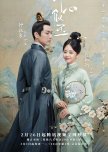
The Sword and the Brocade (2021)
An arranged marriage. A husband with an established household. A wife expected to know her place. What could possibly go wrong? LOL! Quite a lot, as it turns out! Beneath the romance, schemes, rivalries, and household politics, this drama is about a woman who refuses to let tradition dictate her worth—and the people whose lives are affected by her choices.
SO, WHAT MAKES THIS DRAMA WORTH WATCHING?
- A heroine who doesn't need to win by playing dirty.
(Shiyi relies on intelligence, patience, and resourcefulness rather than underhanded tactics. She earns her place without becoming what she opposes.)
- A marriage that grows into a real partnership.
(No instant romance here. Two strangers gradually build trust, recognize each other's strengths, and become each other's greatest support.)
- A male lead with more to learn than how to love.
(Lingyi's journey also involves confronting his responsibilities and reconsidering practices he's long accepted.)
- A household where everything can become a battlefield.
(Jealousy, status, family expectations, and hidden motives—sometimes managing the Xu household seems harder than managing an empire. LOL!)
- A story beyond the family walls.
(Shiyi deals with household affairs, while Lingyi's efforts extend to the maritime sea ban. Its eventual lifting brings opportunities for trade and prosperity.)
- Even the villains have a part to play.
(Their greed, schemes, and obsession with status expose the flaws of the old system. Some characters help improve things; others show why the old ways needed to end.)
- A near-beheading that deserves its own investigation.
(The executioner was already swinging while Lingyi was still racing to the palace. So, how exactly did Shiyi escape? My theory: she had fainted, the blade missed by an inch, and the imperial pardon arrived just in time. LOL! The suspense was real, but the timing? A mystery for the writers!)
What I particularly loved in this drama was that the story didn't make romantic happiness its only measure of success. I wanted Shiyi and Lingyi to build a household where children could grow up without inheriting the rivalries and inequalities of the previous generation. Seeing Shiyi finally receive the recognition she deserved made it all the more satisfying.
The drama has its flaws, and some conflicts may test your patience. Still, I appreciated how every character, whether through their good intentions or mistakes, contributed to the story's bigger message. Some showed what was worth preserving; others exposed what needed to be left behind.
Perhaps that's what stayed with me most. Love brought Shiyi and Lingyi together, but it was their courage to question old ways that gave their story a deeper meaning. A better future doesn't come from blindly following the past, but from having the courage to challenge it.
Was this review helpful to you?


