


 1
1


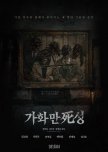
Dangerous Family
The Korean title of this film, 가화만死성, means "Blessing of a Harmonious Family," but the Chinese character in the middle (死) means "death." I think the English title Home Sweet Home is quite overused, so they could have chosen something more original.
After watching all three stories, I was wondering what connects them. Is it the religious elements that appear in the first two stories, or revenge, which seems to link the second and third? In the end, I realized the unifying theme is family relationships and how terrifying it becomes when someone you trust turns out to be your enemy. Each story has its own distinct unsettling atmosphere, and all of them are quite interesting.
핏줄 (Bloodline) — This is a real horror story. I would have liked to watch a full-length feature film of this. It was dynamic and scary, but everything felt a bit rushed and ended too quickly.
체크메이트 (Checkmate) — This one is strange. It feels more like a social drama and uses chess as a central analogy. The main character is in constant danger of being put into "checkmate" in his life, yet he desperately tries to make moves that will help him escape his fate.
전세, 역전 (Jeonse Reversal) — Out of the three stories, this one feels the most familiar. It reminds me of many other Korean revenge stories where the victim seeks justice in a cruel way.
After watching all three stories, I was wondering what connects them. Is it the religious elements that appear in the first two stories, or revenge, which seems to link the second and third? In the end, I realized the unifying theme is family relationships and how terrifying it becomes when someone you trust turns out to be your enemy. Each story has its own distinct unsettling atmosphere, and all of them are quite interesting.
핏줄 (Bloodline) — This is a real horror story. I would have liked to watch a full-length feature film of this. It was dynamic and scary, but everything felt a bit rushed and ended too quickly.
체크메이트 (Checkmate) — This one is strange. It feels more like a social drama and uses chess as a central analogy. The main character is in constant danger of being put into "checkmate" in his life, yet he desperately tries to make moves that will help him escape his fate.
전세, 역전 (Jeonse Reversal) — Out of the three stories, this one feels the most familiar. It reminds me of many other Korean revenge stories where the victim seeks justice in a cruel way.
Was this review helpful to you?


