
 News
News 


 1
1


This review may contain spoilers
A visually stunning and emotionally charged karmic journey among humans and demons
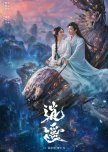
It is a work that captivates viewers with its visual appeal. The special effects, costume design, and characterizations—both human and demonic—are of exceptional quality and beauty, immersing viewers in a rich and detailed world from the very first moment.
The cast is also up to the task, with Neo Hou Minghao once again demonstrating his magnetism in roles of this nature, looking spectacular and bringing the necessary intensity to his character. Tan Songyun, for her part, shines with a subtle and powerful performance. Her main character is neither heavy-handed nor melodramatic; she possesses a strength and both human and demonic sides that make you empathize deeply with her journey, her pain, her love, her dilemmas, and her resilience.
The plot is the beating heart of the drama. It is a bittersweet and deeply karmic story that masterfully weaves together three lives intertwined by fate. The narrative skillfully explores the concept of time loops, where every encounter and sacrifice seems predestined. The central conflict between humans and demons transcends Manichaeism, showing complex characters who, in their struggle, betray their ideals and become what they swore to destroy, adding layers of tragedy and philosophical depth.
The secondary characters are wonderfully drawn and add emotional weight to the main plot. Special honorable mention goes to the last three demons, whose loyalty and ending are not only narratively justified, but whose deaths genuinely hurt.
The ending is a bittersweet masterpiece. While the narrative decision to have the protagonist return to the beginning is understandable, this conclusion is not triumphalist. On the contrary, it imbues everything with a deep melancholy and raises the most devastating question: Can anything really change? The series suggests that, in such an intricate karmic cycle where everything is connected, actions can be an echo of destiny, leaving the viewer wondering whether the outcome, however painful, is the only possible conclusion to a story where love and sacrifice are doomed to repeat themselves.
Conclusion: “The Unclouded Soul” is much more than a fantasy drama. It is a complete narrative and visual experience, a moving reflection on destiny, free will, the cost of war, and the cyclical nature of love and pain. With outstanding performances, a plot that hooks you from the first episode, and an ending that will haunt you long after the credits roll, it stands as a must-see for lovers of the genre and well-told stories.
The cast is also up to the task, with Neo Hou Minghao once again demonstrating his magnetism in roles of this nature, looking spectacular and bringing the necessary intensity to his character. Tan Songyun, for her part, shines with a subtle and powerful performance. Her main character is neither heavy-handed nor melodramatic; she possesses a strength and both human and demonic sides that make you empathize deeply with her journey, her pain, her love, her dilemmas, and her resilience.
The plot is the beating heart of the drama. It is a bittersweet and deeply karmic story that masterfully weaves together three lives intertwined by fate. The narrative skillfully explores the concept of time loops, where every encounter and sacrifice seems predestined. The central conflict between humans and demons transcends Manichaeism, showing complex characters who, in their struggle, betray their ideals and become what they swore to destroy, adding layers of tragedy and philosophical depth.
The secondary characters are wonderfully drawn and add emotional weight to the main plot. Special honorable mention goes to the last three demons, whose loyalty and ending are not only narratively justified, but whose deaths genuinely hurt.
The ending is a bittersweet masterpiece. While the narrative decision to have the protagonist return to the beginning is understandable, this conclusion is not triumphalist. On the contrary, it imbues everything with a deep melancholy and raises the most devastating question: Can anything really change? The series suggests that, in such an intricate karmic cycle where everything is connected, actions can be an echo of destiny, leaving the viewer wondering whether the outcome, however painful, is the only possible conclusion to a story where love and sacrifice are doomed to repeat themselves.
Conclusion: “The Unclouded Soul” is much more than a fantasy drama. It is a complete narrative and visual experience, a moving reflection on destiny, free will, the cost of war, and the cyclical nature of love and pain. With outstanding performances, a plot that hooks you from the first episode, and an ending that will haunt you long after the credits roll, it stands as a must-see for lovers of the genre and well-told stories.
Was this review helpful to you?


