

 2
2 1
1 1
1 1
1


An ambitious and stimulating starting idea
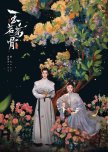
Glory is built on an undeniably compelling core concept: presenting a world in which matriarchy is not merely a backdrop, but a true social and narrative driving force. The series also highlights the ambitions surrounding the tea trade, its history, and the world of tea growers. This ancestral know-how, carefully preserved for centuries by the Rong family, is transmitted through a strictly hierarchical and matriarchal system.
The series attempts to question power relations, family legacies, and gender roles through a plot that blends strategy, human drama, and struggles for influence and authority within a large family. On paper, the project is bold and breaks away from the classic patterns often found in Chinese historical dramas.
Despite its flaws, Glory remains an interesting series to watch, particularly for its universe, certain character dynamics, and the questions it raises, even though it falls short of its ambitions halfway through.
...........
Matriarchy: a powerful concept, but unevenly explored
Matriarchy lies at the heart of Glory, yet it is handled in a contradictory manner. On the one hand, it allows the portrayal of women in positions of power—complex, strategic, and sometimes morally ambiguous. On the other hand, especially from the middle of the story onward, the series resorts to narrative shortcuts, where female authority is almost systematically associated with manipulation, extreme coldness, or a total lack of empathy.
Rather than exploring a genuine range of female figures (a fair leader, a tyrant, a hesitant one, a visionary…), the series fails to depict the inner struggles of its female characters, particularly the main heroine. Instead, it suggests that matriarchy is merely an inverted reflection of a caricatured patriarchy.
.....
Now let’s analyze it in detail
Characters: unbalanced potential
The heroine: a central character weakened by poor writing
The greatest weakness of Glory lies in the writing of its heroine. Although she is portrayed as extremely intelligent, highly strategic, and determined, her decisions often lack empathy and overall coherence. Her success relies more on narrative convenience than on credible development, and she undergoes no true psychological or intellectual evolution by the end of the series.
Instead of emphasizing her radical choices as a consequence of her obligations and personality, the story places her in a romantic context and delivers an ending that is morally unsatisfying. Glory always belongs solely to her: she stands at the center of all resolutions, investigations, and victories. She decides everything—even what her sisters should do and how they should love.
Ultimately, this trajectory echoes the path of her grandmother in many aspects of her behavior. The script insists on portraying her as a victim of the system, yet she remains an all-powerful figure, without properly developed transitions. This prevents the audience from fully connecting with her or supporting her rise.
........
Secondary characters: more nuanced than the protagonist
Paradoxically, some secondary characters—especially female ones—are extremely well written up until the middle of the series, creating genuine tension and curiosity about their human trajectories. However, all characters ultimately suffer a dramatic collapse, reduced to childish resolutions for the sole benefit of the heroine.
.........
The role of male characters in the narrative !
Male characters play an ambivalent role in Glory. They are not entirely erased, but they are largely confined to utilitarian functions: strategic allies, political pawns, or emotional levers used to advance or support the heroine’s journey.
Certain male conflicts (identity crises, family loyalty, ideological opposition to matriarchy) could have enriched the narrative, but they remain superficial. This creates the impression that men exist only to validate or obstruct the heroine’s path, without possessing any truly autonomous trajectory.
.........
Acting!
he main heroine was convincing in her acting at the beginning, but from the middle onward she became very repetitive and barely showed any emotions or range in her performance. Very limited.
Hou Ming Hao, despite his questionable place in the series, is very convincing and charming, and he understood his role well. He manages to create smooth transitions between a young, energetic, gentle, playful, calculating, kitten-like, and arrogant character.
The other characters are generally decent. One can note Ruo Xuan, who has a lot of unexploited potential, which is a shame, and Zhao Jia Min’s natural energ
......
Toward a more coherent ending!
For the story to feel more logical, a more coherent ending should have been chosen—one that confronts the heroine with the consequences of her choices, rather than glorifying her actions. A more convincing conclusion could have shown:
1.Either a deep questioning of the matriarchal system itself, establishing a more balanced and egalitarian structure that includes both women and men. She could have left the family and started a new life on equal footing with a man who is extremely talented and intellectually equal to her.
2.Or a full acceptance of her choice—even with bitterness—by dedicating her entire life solely to tea and the family, accompanied by a genuine personal sacrifice.
Additionally, giving the sisters different endings—some more tragic, others distinct, with real power for certain characters—would have been an excellent choice in my view. Finally, the male lead could also have been granted a life beyond merely serving the heroine and the Rong family.
The series attempts to question power relations, family legacies, and gender roles through a plot that blends strategy, human drama, and struggles for influence and authority within a large family. On paper, the project is bold and breaks away from the classic patterns often found in Chinese historical dramas.
Despite its flaws, Glory remains an interesting series to watch, particularly for its universe, certain character dynamics, and the questions it raises, even though it falls short of its ambitions halfway through.
...........
Matriarchy: a powerful concept, but unevenly explored
Matriarchy lies at the heart of Glory, yet it is handled in a contradictory manner. On the one hand, it allows the portrayal of women in positions of power—complex, strategic, and sometimes morally ambiguous. On the other hand, especially from the middle of the story onward, the series resorts to narrative shortcuts, where female authority is almost systematically associated with manipulation, extreme coldness, or a total lack of empathy.
Rather than exploring a genuine range of female figures (a fair leader, a tyrant, a hesitant one, a visionary…), the series fails to depict the inner struggles of its female characters, particularly the main heroine. Instead, it suggests that matriarchy is merely an inverted reflection of a caricatured patriarchy.
.....
Now let’s analyze it in detail
Characters: unbalanced potential
The heroine: a central character weakened by poor writing
The greatest weakness of Glory lies in the writing of its heroine. Although she is portrayed as extremely intelligent, highly strategic, and determined, her decisions often lack empathy and overall coherence. Her success relies more on narrative convenience than on credible development, and she undergoes no true psychological or intellectual evolution by the end of the series.
Instead of emphasizing her radical choices as a consequence of her obligations and personality, the story places her in a romantic context and delivers an ending that is morally unsatisfying. Glory always belongs solely to her: she stands at the center of all resolutions, investigations, and victories. She decides everything—even what her sisters should do and how they should love.
Ultimately, this trajectory echoes the path of her grandmother in many aspects of her behavior. The script insists on portraying her as a victim of the system, yet she remains an all-powerful figure, without properly developed transitions. This prevents the audience from fully connecting with her or supporting her rise.
........
Secondary characters: more nuanced than the protagonist
Paradoxically, some secondary characters—especially female ones—are extremely well written up until the middle of the series, creating genuine tension and curiosity about their human trajectories. However, all characters ultimately suffer a dramatic collapse, reduced to childish resolutions for the sole benefit of the heroine.
.........
The role of male characters in the narrative !
Male characters play an ambivalent role in Glory. They are not entirely erased, but they are largely confined to utilitarian functions: strategic allies, political pawns, or emotional levers used to advance or support the heroine’s journey.
Certain male conflicts (identity crises, family loyalty, ideological opposition to matriarchy) could have enriched the narrative, but they remain superficial. This creates the impression that men exist only to validate or obstruct the heroine’s path, without possessing any truly autonomous trajectory.
.........
Acting!
he main heroine was convincing in her acting at the beginning, but from the middle onward she became very repetitive and barely showed any emotions or range in her performance. Very limited.
Hou Ming Hao, despite his questionable place in the series, is very convincing and charming, and he understood his role well. He manages to create smooth transitions between a young, energetic, gentle, playful, calculating, kitten-like, and arrogant character.
The other characters are generally decent. One can note Ruo Xuan, who has a lot of unexploited potential, which is a shame, and Zhao Jia Min’s natural energ
......
Toward a more coherent ending!
For the story to feel more logical, a more coherent ending should have been chosen—one that confronts the heroine with the consequences of her choices, rather than glorifying her actions. A more convincing conclusion could have shown:
1.Either a deep questioning of the matriarchal system itself, establishing a more balanced and egalitarian structure that includes both women and men. She could have left the family and started a new life on equal footing with a man who is extremely talented and intellectually equal to her.
2.Or a full acceptance of her choice—even with bitterness—by dedicating her entire life solely to tea and the family, accompanied by a genuine personal sacrifice.
Additionally, giving the sisters different endings—some more tragic, others distinct, with real power for certain characters—would have been an excellent choice in my view. Finally, the male lead could also have been granted a life beyond merely serving the heroine and the Rong family.
Was this review helpful to you?


