
 K-Drama

 2
2 1
1 1
1 1
1


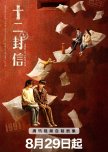
A Cinematic and Deeply Emotional C-Drama
Many viewers have already shared their thoughts about this drama, so I will simply try to add a few reflections of my own.
ABOUT THIS DRAMA
This is undoubtedly one of the most emotionally profound and fully realized C-dramas I have ever seen. Its power lies not only in the difficult lives endured by the main characters, but also in the quiet, sincere romanticism that permeates the story. Here, we encounter a form of romance that feels genuine—generous, restrained, and deeply introspective. It does not rely on grand declarations of love, stylized slow-motion glances, or an overwhelming musical score to manufacture emotion. Instead, it trusts the story, the characters, and the silence between them. It is also a story of generous love—love that requires sacrifice, relationships that are neither egocentric nor one-sided, and the quiet art of both giving love and learning how to receive it.
What makes the drama remarkable is that the actors do not merely perform their roles—they inhabit them. Their characters feel lived-in and authentic, the result of writing that is thoughtful and carefully developed. The director clearly knows what emotional landscape he wants to explore, and the actors possess the talent to bring these characters fully to life. The result is a series of performances that feel deeply human. This is not an idol drama; it is something far more grounded and sincere.
This is the second time I have watched it, and both times it stirred the same emotions within me.
PROD
The production is truly impeccable. The atmosphere is distinctive and almost cinematic, enveloped in a gentle nostalgia that evokes the early 1990s—particularly the year 1991—with remarkable sensitivity.
The director and screenwriter deserve special praise; their work reveals a rare clarity of vision and emotional intelligence.
CASTING
Even the supporting characters contribute meaningfully to the narrative. They are warm, engaging, and essential to the overall tapestry of the story, enriching the world around the protagonists.
As for the central couple, their chemistry feels natural and deeply convincing. From the very beginning, we believe in them. We grow attached to them almost immediately, and like the “next generation” portrayed in the story, we find ourselves quietly hoping for their happiness.
FL
Wang Ying Lu, in Twelve Letters, brings to life a character who is strong, intelligent, and resolute, yet capable of moments of vulnerability. Her Ye Hai Tang becomes not only a pillar of strength for the young man, but also for his family. Wang Ying Lu delivers a performance that is both natural and deeply persuasive.
ML
I have saved the most striking performance for last: Zhou Yi Ran as Tang Yi Xun. His portrayal is nothing short of remarkable. There is an extraordinary maturity in his acting—subtle, restrained, and rich with nuance. He convincingly embodies the character first as a high school boy and later as an older version of himself, allowing us to witness the gradual shaping of a life.
Tang Yi Xun is a boy from the margins of society, someone hardened by circumstance yet ultimately transformed through love. Love gives him not only salvation but also purpose. Instead of merely enduring another day in silence, he gains the rare and precious luxury of living for someone beyond himself. Slowly, he begins to believe in the possibility of a future.
Zhou Yi Ran captures every dimension of this journey: the fierce energy of the fight scenes, the quiet devotion, the sensitivity that lies beneath the surface. There are even subtle shades of darkness born from his past, reminiscent in spirit of a Oliver Twist-like figure—restless, wounded, yet deeply alive. Whether he is fighting or overcome with emotion, we feel those moments alongside him.
One can truly admire his magnificent interpretation , especially after the character’s release from prison. In those moments, it becomes clear how skillfully the actor presents two different facets of the same person — a version that appears far more mature than his actual age, yet remains subtle, nuanced, and entirely believable.
The scene with the cake, when he finally begins to eat, is particularly remarkable. It is executed with such emotional precision that it feels worthy of great cinema, the kind of moment that could easily be projected on a large screen.
After witnessing such a performance, I am convinced that he has the talent not only to carry television series, but also to lead ambitious cinematic projects of international quality, even at such a young age.
AND....
If one were to mention a slight weakness, it might be the second couple. Although they remain sympathetic characters, they inevitably appear somewhat pale when compared to the intensity of the main pair. Yet their function is different: they act more as investigators who help propel the narrative forward rather than as the primary emotional center of the story.
The ending, in my view, is both logical and elegantly handled. It does not linger excessively on the characters’ happiness, leaving instead a delicate sense of continuation—as though the magic of the story quietly extends beyond the screen. What remains is a lingering emotional aftertaste, something akin to that distinctive sweet-and-sour flavor that Chinese dramas know so well how to weave into their narratives.
ABOUT THIS DRAMA
This is undoubtedly one of the most emotionally profound and fully realized C-dramas I have ever seen. Its power lies not only in the difficult lives endured by the main characters, but also in the quiet, sincere romanticism that permeates the story. Here, we encounter a form of romance that feels genuine—generous, restrained, and deeply introspective. It does not rely on grand declarations of love, stylized slow-motion glances, or an overwhelming musical score to manufacture emotion. Instead, it trusts the story, the characters, and the silence between them. It is also a story of generous love—love that requires sacrifice, relationships that are neither egocentric nor one-sided, and the quiet art of both giving love and learning how to receive it.
What makes the drama remarkable is that the actors do not merely perform their roles—they inhabit them. Their characters feel lived-in and authentic, the result of writing that is thoughtful and carefully developed. The director clearly knows what emotional landscape he wants to explore, and the actors possess the talent to bring these characters fully to life. The result is a series of performances that feel deeply human. This is not an idol drama; it is something far more grounded and sincere.
This is the second time I have watched it, and both times it stirred the same emotions within me.
PROD
The production is truly impeccable. The atmosphere is distinctive and almost cinematic, enveloped in a gentle nostalgia that evokes the early 1990s—particularly the year 1991—with remarkable sensitivity.
The director and screenwriter deserve special praise; their work reveals a rare clarity of vision and emotional intelligence.
CASTING
Even the supporting characters contribute meaningfully to the narrative. They are warm, engaging, and essential to the overall tapestry of the story, enriching the world around the protagonists.
As for the central couple, their chemistry feels natural and deeply convincing. From the very beginning, we believe in them. We grow attached to them almost immediately, and like the “next generation” portrayed in the story, we find ourselves quietly hoping for their happiness.
FL
Wang Ying Lu, in Twelve Letters, brings to life a character who is strong, intelligent, and resolute, yet capable of moments of vulnerability. Her Ye Hai Tang becomes not only a pillar of strength for the young man, but also for his family. Wang Ying Lu delivers a performance that is both natural and deeply persuasive.
ML
I have saved the most striking performance for last: Zhou Yi Ran as Tang Yi Xun. His portrayal is nothing short of remarkable. There is an extraordinary maturity in his acting—subtle, restrained, and rich with nuance. He convincingly embodies the character first as a high school boy and later as an older version of himself, allowing us to witness the gradual shaping of a life.
Tang Yi Xun is a boy from the margins of society, someone hardened by circumstance yet ultimately transformed through love. Love gives him not only salvation but also purpose. Instead of merely enduring another day in silence, he gains the rare and precious luxury of living for someone beyond himself. Slowly, he begins to believe in the possibility of a future.
Zhou Yi Ran captures every dimension of this journey: the fierce energy of the fight scenes, the quiet devotion, the sensitivity that lies beneath the surface. There are even subtle shades of darkness born from his past, reminiscent in spirit of a Oliver Twist-like figure—restless, wounded, yet deeply alive. Whether he is fighting or overcome with emotion, we feel those moments alongside him.
One can truly admire his magnificent interpretation , especially after the character’s release from prison. In those moments, it becomes clear how skillfully the actor presents two different facets of the same person — a version that appears far more mature than his actual age, yet remains subtle, nuanced, and entirely believable.
The scene with the cake, when he finally begins to eat, is particularly remarkable. It is executed with such emotional precision that it feels worthy of great cinema, the kind of moment that could easily be projected on a large screen.
After witnessing such a performance, I am convinced that he has the talent not only to carry television series, but also to lead ambitious cinematic projects of international quality, even at such a young age.
AND....
If one were to mention a slight weakness, it might be the second couple. Although they remain sympathetic characters, they inevitably appear somewhat pale when compared to the intensity of the main pair. Yet their function is different: they act more as investigators who help propel the narrative forward rather than as the primary emotional center of the story.
The ending, in my view, is both logical and elegantly handled. It does not linger excessively on the characters’ happiness, leaving instead a delicate sense of continuation—as though the magic of the story quietly extends beyond the screen. What remains is a lingering emotional aftertaste, something akin to that distinctive sweet-and-sour flavor that Chinese dramas know so well how to weave into their narratives.
Was this review helpful to you?


