


 5
5 1
1


The Massacre Remains, the Heroism Is Rewritten
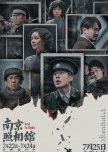
Dead to Rights is an important act of historical denunciation. Its graphic depiction of the Nanjing Massacre confronts an atrocity that remains largely marginalized in Western-dominated historical narratives. In that sense, its brutality is not excess, but correction.
The film’s real problem lies not in what it shows, but in whom it erases. To construct a purified national epic, it appropriates well-documented acts of heroism carried out by foreign missionaries and European civilians who risked their lives to protect Chinese civilians, transferring those actions to an ideologically immaculate protagonist. The crime is preserved; the moral credit is reassigned.
This does not deny the massacre—it nationalizes virtue. The result is a curated memory: horror is retained because it serves remembrance, while inconvenient witnesses are removed because they complicate the narrative. Dead to Rights does not falsify history; it re-edits authorship of heroism.
As denunciation, the film is legitimate.
As narrative, it reveals how even truth can be selectively framed.
The film’s real problem lies not in what it shows, but in whom it erases. To construct a purified national epic, it appropriates well-documented acts of heroism carried out by foreign missionaries and European civilians who risked their lives to protect Chinese civilians, transferring those actions to an ideologically immaculate protagonist. The crime is preserved; the moral credit is reassigned.
This does not deny the massacre—it nationalizes virtue. The result is a curated memory: horror is retained because it serves remembrance, while inconvenient witnesses are removed because they complicate the narrative. Dead to Rights does not falsify history; it re-edits authorship of heroism.
As denunciation, the film is legitimate.
As narrative, it reveals how even truth can be selectively framed.
Was this review helpful to you?


