
 News
News 

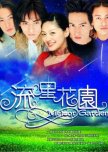
Meteor Garden (2001) – The Series That Sparked the Asian Drama Wave in Asia
Meteor Garden (2001) was one of the earliest Asian dramas to truly explode in popularity in Asia, effectively opening the door for the “Asian wave” of television romance series that followed. I first watched it in 2003 during my 1st year in my 2nd college school in my Information Technology course that I transferred to. The timing made it even more memorable, as it aired locally on ABS-CBN during the rainy season in the Philippines—a period that unintentionally amplified its romantic and emotional atmosphere while viewers were staying indoors. That combination of weather and storytelling made the series feel even more immersive and nostalgic.
The series carries a very specific ambiance and tone that feels nostalgic now. It captured youthful romance, class tension, and emotional intensity in a way that felt fresh at the time. Part of its uniqueness also came from its production context: the original manga was still ongoing when the adaptation was made, so the series eventually had to create its own ending interpretation. Interestingly, the manga later ended up following a similar direction, which makes the adaptation’s choices more notable in hindsight.
The first season stands out as the strongest. It had a clear emotional arc, strong character dynamics, and a compelling balance between romance and conflict. The rainy season viewing experience at the time also heightened the emotional pull of the story, making the romance feel more intimate and the dramatic scenes more memorable. However, the short sequel bridge leading into the second season- 'Meteor Rain' felt weak and unnecessary, almost like filler that disrupted the momentum.
The second season, on the other hand, feels noticeably unfocused. Instead of building on the strengths of the original arc, it comes across as uncertain of its direction, with pacing and storytelling that feel inconsistent. What made the first season engaging—its emotional clarity and narrative drive—feels diluted in the continuation.
Another noticeable flaw is the styling of the F4 themselves. Despite being portrayed as ultra-wealthy elites, their wardrobe often looks surprisingly plain or even low-budget, which weakens the credibility of their “rich boys” image. Instead of reinforcing their status through refined fashion, the styling sometimes feels inconsistent with their supposed social class.
Another interesting aspect of Meteor Garden is the controversy surrounding its depiction of school bullying. The series was actually banned in mainland China in 2002 after authorities and some parents complained that it negatively influenced young people. Critics particularly objected to the show's portrayal of wealthy students abusing their power, bullying classmates, and promoting unrealistic social values. Dao Ming Si's treatment of Shan Cai and Qing He and the F4's "red card" system, which encouraged the harassment of targeted students, were among the elements that drew criticism.
Ironically, despite the original Taiwanese series being banned in China, the 2018 Chinese remake still retained the bullying theme as a major part of the story because it is central to the original Boys Over Flowers narrative. While the 2018 version toned down some of the harsher elements and modernized the characters, the conflict still begins with the F4's dominance over the school and the mistreatment of the heroine by Dao Ming Si and his group.
At the same time, the series unintentionally influenced pop culture trends, particularly the long hairstyle popularized by the F4. During that era, many fans, young viewers and even celebrities like Richard Gomez and Jackie Chan adopted similar hairstyles especially Jerry Yan's long hair hairstyle, turning it into a recognizable fashion trend across Asia, including the Philippines.
With the passing news of Barbie Hsu last year, it felt like a quiet but deep heartbreak - almost like I'm being stabbed in the chest. Her portrayal of Shan Cai gave Meteor Garden its emotional core, and her presence is a big part of why the series remains so memorable and impactful for many viewers.
Overall, Meteor Garden remains culturally significant, especially in the Philippines, but its quality is clearly uneven across seasons, with its strongest impact rooted in its early episodes and the nostalgic rainy-season viewing experience that intensified its romantic appeal.
The series carries a very specific ambiance and tone that feels nostalgic now. It captured youthful romance, class tension, and emotional intensity in a way that felt fresh at the time. Part of its uniqueness also came from its production context: the original manga was still ongoing when the adaptation was made, so the series eventually had to create its own ending interpretation. Interestingly, the manga later ended up following a similar direction, which makes the adaptation’s choices more notable in hindsight.
The first season stands out as the strongest. It had a clear emotional arc, strong character dynamics, and a compelling balance between romance and conflict. The rainy season viewing experience at the time also heightened the emotional pull of the story, making the romance feel more intimate and the dramatic scenes more memorable. However, the short sequel bridge leading into the second season- 'Meteor Rain' felt weak and unnecessary, almost like filler that disrupted the momentum.
The second season, on the other hand, feels noticeably unfocused. Instead of building on the strengths of the original arc, it comes across as uncertain of its direction, with pacing and storytelling that feel inconsistent. What made the first season engaging—its emotional clarity and narrative drive—feels diluted in the continuation.
Another noticeable flaw is the styling of the F4 themselves. Despite being portrayed as ultra-wealthy elites, their wardrobe often looks surprisingly plain or even low-budget, which weakens the credibility of their “rich boys” image. Instead of reinforcing their status through refined fashion, the styling sometimes feels inconsistent with their supposed social class.
Another interesting aspect of Meteor Garden is the controversy surrounding its depiction of school bullying. The series was actually banned in mainland China in 2002 after authorities and some parents complained that it negatively influenced young people. Critics particularly objected to the show's portrayal of wealthy students abusing their power, bullying classmates, and promoting unrealistic social values. Dao Ming Si's treatment of Shan Cai and Qing He and the F4's "red card" system, which encouraged the harassment of targeted students, were among the elements that drew criticism.
Ironically, despite the original Taiwanese series being banned in China, the 2018 Chinese remake still retained the bullying theme as a major part of the story because it is central to the original Boys Over Flowers narrative. While the 2018 version toned down some of the harsher elements and modernized the characters, the conflict still begins with the F4's dominance over the school and the mistreatment of the heroine by Dao Ming Si and his group.
At the same time, the series unintentionally influenced pop culture trends, particularly the long hairstyle popularized by the F4. During that era, many fans, young viewers and even celebrities like Richard Gomez and Jackie Chan adopted similar hairstyles especially Jerry Yan's long hair hairstyle, turning it into a recognizable fashion trend across Asia, including the Philippines.
With the passing news of Barbie Hsu last year, it felt like a quiet but deep heartbreak - almost like I'm being stabbed in the chest. Her portrayal of Shan Cai gave Meteor Garden its emotional core, and her presence is a big part of why the series remains so memorable and impactful for many viewers.
Overall, Meteor Garden remains culturally significant, especially in the Philippines, but its quality is clearly uneven across seasons, with its strongest impact rooted in its early episodes and the nostalgic rainy-season viewing experience that intensified its romantic appeal.
Was this review helpful to you?


