

 10
10 43
43 2
2 1
1 1
1


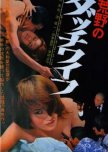
This review may contain spoilers
The Hypocrisy of Morality vs Desire
From my interpretation, the thesis of this movie is on the hypocrisy of men. It believes that even men who act above prostitution, to some degree desire it, and that this cognitive dissonance disturbs them in a psychologically violent way.
Very graphic. Lots of assault and rape catered to the male gaze. But under it was also a societal critique of the hypocrisy of men who look down on the sex industry while also experiencing desire. It's as if the film is snarkily saying, "You think these things are terrible right? But are you turned on right now? See, even you are not above it." Whether or not that's true for the viewer, this seems to be an important theme for the film.
The man who hires the protagonist does all this woeful dialogue about his girlfriend's kidnapping, but watches the video of her gang rape over and over and we see a strange sort of smile on his face. Our protagonist pretends he is above sex workers but then is so violent towards one before having sex with her. Visually we see a father torn about his daughter's suffering, but then making out with the sex doll version of her. And at the end Koh (the antagonist) and the protagonist are described as being so similar yet different. At another point, a woman looks dead, and while trying to wake her, the man above her alternates between patting her face and patting her breasts. At first I just thought the set was probably just unethical, but when I thought about it in the context of the rest of the story I realized it's more likely commentary about the sexualization of women in that era. I think Koh to some extent was metaphorically a part of the protagonist who indulged desired to indulge in prostitution, a part that the protagonist could not really kill even though he wanted to. Over and over he chases Koh down, he imagines killing him in many scenarios, but there's always a hesitation to shoot him. And the one time he actually did (not in an alternate reality), he only grazed Koh despite his skills (which are emphasized several times throughout the movie).
The only woman who has speaking lines tries to disarm the protagonist, leaving just one bullet to kill Koh. The protagonist, after abusing her physically and verbally, and after having sex with her (she's a honeypot that's pressured into doing this by her asshole boyfriend, Koh, so its more like rape), is affectionate and even says he will come back for her after he kills Koh. When the phone rings, she begs him not to answer it. And when he does, Koh and his gang arrive, and the one bullet he has to kill Koh doesn't make its mark.
The moment with this gun, the partially-loaded gun, is very important. It marks a narrative fork in the story, and I think this represents what men like to believe themselves as. That they might be morally pure, that they would never do such a thing. In this version, he successfully shoots all of Koh's gang and survives. Torturing Koh to not give him an easy death. But when the second narrative returns to the narrative fork, we see that he succumbs to the gang. Interestingly, some of the dialogue is repeated throughout the film, once in the protagonist's mouth, and once by the gang at the end of the film, emphasizing again this theme of "we're not really so different, you and I."
I think the violence in the film and its soundtrack (which is made up of amazing free jazz tracks) reflects the cognitive dissonance in men who fight with their desire for the sake of their morals. It seeks to drag men into acknowledging their role in the sex industry, and to tell them "even you could succumb to this given the right circumstances." And yet it also condemns the sex industry, made most clear by the second to last scene where the camera goes through the sex doll rooms. It's followed by a scene that feels cyclical to the beginning, with the tree now much bigger than we first saw it, representing a sense of helplessness to the overwhelming strength of the sex industry.
This was made in an era when the yazuka were much more powerful and overtly dangerous. Women are clearly sedated and sold off in the movie. Metaphorically, the sex dolls, to me, represent the women who are so battered and destroyed by the industry that they don't seem to have anything of themselves left in them. There's a moment where the protagonist is rescuing a sex worker, and when he does, instead of being the love-struck damsel in distress we'd normally see, she has this terribly empty expression, clearly shell-shocked. The film cuts to only a few frames of the tree before continuing the scene. And the tree, which we saw shot in half earlier in the film, is now standing upright. In the beginning of this film, the protagonists shoots down the tree, representing his moral righteousness wanting to end these horrible events. But as the tree comes back and grows, it shows how big and unending human trafficking and sexual exploitation is.
Part of me wants to rewatch this just to look at it with a more critical eye, digging deeper into the metaphors and to challenge some of my interpretations. Another part of me does not want to experience this film again. If you're up to it, try watching this yourself and seeing if any of my interpretations resonate with you, and what else you might notice.
Very graphic. Lots of assault and rape catered to the male gaze. But under it was also a societal critique of the hypocrisy of men who look down on the sex industry while also experiencing desire. It's as if the film is snarkily saying, "You think these things are terrible right? But are you turned on right now? See, even you are not above it." Whether or not that's true for the viewer, this seems to be an important theme for the film.
The man who hires the protagonist does all this woeful dialogue about his girlfriend's kidnapping, but watches the video of her gang rape over and over and we see a strange sort of smile on his face. Our protagonist pretends he is above sex workers but then is so violent towards one before having sex with her. Visually we see a father torn about his daughter's suffering, but then making out with the sex doll version of her. And at the end Koh (the antagonist) and the protagonist are described as being so similar yet different. At another point, a woman looks dead, and while trying to wake her, the man above her alternates between patting her face and patting her breasts. At first I just thought the set was probably just unethical, but when I thought about it in the context of the rest of the story I realized it's more likely commentary about the sexualization of women in that era. I think Koh to some extent was metaphorically a part of the protagonist who indulged desired to indulge in prostitution, a part that the protagonist could not really kill even though he wanted to. Over and over he chases Koh down, he imagines killing him in many scenarios, but there's always a hesitation to shoot him. And the one time he actually did (not in an alternate reality), he only grazed Koh despite his skills (which are emphasized several times throughout the movie).
The only woman who has speaking lines tries to disarm the protagonist, leaving just one bullet to kill Koh. The protagonist, after abusing her physically and verbally, and after having sex with her (she's a honeypot that's pressured into doing this by her asshole boyfriend, Koh, so its more like rape), is affectionate and even says he will come back for her after he kills Koh. When the phone rings, she begs him not to answer it. And when he does, Koh and his gang arrive, and the one bullet he has to kill Koh doesn't make its mark.
The moment with this gun, the partially-loaded gun, is very important. It marks a narrative fork in the story, and I think this represents what men like to believe themselves as. That they might be morally pure, that they would never do such a thing. In this version, he successfully shoots all of Koh's gang and survives. Torturing Koh to not give him an easy death. But when the second narrative returns to the narrative fork, we see that he succumbs to the gang. Interestingly, some of the dialogue is repeated throughout the film, once in the protagonist's mouth, and once by the gang at the end of the film, emphasizing again this theme of "we're not really so different, you and I."
I think the violence in the film and its soundtrack (which is made up of amazing free jazz tracks) reflects the cognitive dissonance in men who fight with their desire for the sake of their morals. It seeks to drag men into acknowledging their role in the sex industry, and to tell them "even you could succumb to this given the right circumstances." And yet it also condemns the sex industry, made most clear by the second to last scene where the camera goes through the sex doll rooms. It's followed by a scene that feels cyclical to the beginning, with the tree now much bigger than we first saw it, representing a sense of helplessness to the overwhelming strength of the sex industry.
This was made in an era when the yazuka were much more powerful and overtly dangerous. Women are clearly sedated and sold off in the movie. Metaphorically, the sex dolls, to me, represent the women who are so battered and destroyed by the industry that they don't seem to have anything of themselves left in them. There's a moment where the protagonist is rescuing a sex worker, and when he does, instead of being the love-struck damsel in distress we'd normally see, she has this terribly empty expression, clearly shell-shocked. The film cuts to only a few frames of the tree before continuing the scene. And the tree, which we saw shot in half earlier in the film, is now standing upright. In the beginning of this film, the protagonists shoots down the tree, representing his moral righteousness wanting to end these horrible events. But as the tree comes back and grows, it shows how big and unending human trafficking and sexual exploitation is.
Part of me wants to rewatch this just to look at it with a more critical eye, digging deeper into the metaphors and to challenge some of my interpretations. Another part of me does not want to experience this film again. If you're up to it, try watching this yourself and seeing if any of my interpretations resonate with you, and what else you might notice.
Was this review helpful to you?


