
 Editorials

 521
521 659
659 96
96 13
13 12
12 32
32 3
3 2
2 66
66 50
50 63
63 53
53 14
14 20
20 98
98 12
12 11
11 6
6 31
31 9
9 4
4 3
3 16
16 39
39 43
43 11
11 17
17 131
131 195
195 135
135 42
42


This review may contain spoilers
Beyond the filters: a mesmerizing story of love, life and land.
Land is the most valuable possession a farmer can own. It increases the potential for food security, financial stability, and social influence. Some will kill for it. Some will die for it. Some will even sacrifice their own kin for it.
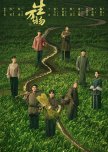
Unfortunately, Ning Xiuxiu learns these harsh truths in the cruelest way imaginable in This Thriving Land. You see, she is the daughter of the wealthiest man in Ox Temple Village. Her father, Ning Xuexiang, owns 700 mu of land. She was born into privilege, never having to lose sleep over hunger, cold, or manual labor. But that all changes on the day of her wedding when she gets kidnapped by bandits. They have one demand for her father: 5,000 silver dollars in exchange for her life and well-being. Because Xiuxiu had been doted on her entire life, she wholeheartedly believes her father will come save her... until he doesn't. He loves her, but his greed makes him reluctant to sell his lands for the ransom money, not even to redeem her. When Xiuxiu finally escapes from the wrath of the bandits, she returns to the village with her reputation in ruins and the life she once knew gone. Hurt and betrayed, she makes the ultimate choice to marry a poor farmer, Feng Dajiao, to spite her father, vowing to cut him out of her life forever. Set during the Republican Era of China, this drama chronicles the lives of Ning Xiuxiu and her loved ones as they try to escape poverty and navigate times of great unrest.
I confess — I am usually hyper-fixated on the visuals whenever I watch a drama, often pausing every few minutes to screenshot beautifully composed scenes. But with This Thriving Land, I found myself ignoring those urges more often than I expected. Is it because the aesthetics are mediocre at best? Or is it because I was so immersed in the story that I no longer cared about saving picture-perfect screenshots? Maybe, it is a little of both. The production is not flashy, but that is intentional. The cinematography doesn't glorify poverty. In fact, it unapologetically puts a spotlight on what many other dramas are afraid to embrace: rundown homes, broken and mismatched furniture, trash on the street, etc. It also captures every detail of sun-kissed tans, deep wrinkles, and tattered clothes. I vividly recall a scene from episode one, when a child took a dump in the middle of the street, and to my surprise, the camera zoomed in on the piece of poop. The accurate portrayal of the devastation caused by poverty is ugly and heartbreaking, and that is precisely what makes this drama so impactful. When we strip away the filters and pretenses, we allow the story's true depth to shine through. It is a reminder that only by looking past fleeting beauty can we be rewarded with a priceless gem such as this story.
The true strength of This Thriving Land resides in its cast of characters and how deeply flawed each and every person is. We see this complexity starting with our two protagonists, Ning Xiuxiu and Feng Dajiao. Though easy to root for, Xiuxiu's pride repeatedly holds her back from receiving the help she truly needs. It was a trait that infuriated me when I was watching the drama, even though it was fully justified, given her circumstances. Similarly, while Dajiao is my absolute favorite character and seems nearly perfect, he also has his own issues: he is so kind that sometimes he lets others disrespect him. The drama makes even the unlikable figures, such as Xiuxiu's father, Ning Xuexiang, become sympathetic over time. He is often selfish, but his choices make perfect sense for a man whose identity is so closely tied to the land he owns. We see those same nuances reflected in many of the other supporting cast. Ning Kejin is an amazing brother, incredibly loyal, but he isn't always a great husband. Dajiao's father, Feng Er, is a prickly grump who has thorns for words, yet his actions are consistently steeped in love. The writers' dedication to creating such imperfect individuals and the actors' ability to breathe such life into them make them feel like people I might even know in real life.
The relationships are exceptionally compelling to me because they are relatable. I can't recall specific moments in the drama where the characters explicitly say the words "I love you" to each other, and yet, I have no doubt that they do because of their loyalty, sacrifices, and actions. This feels familiar to me, and others like me, who grew up in traditional Asian households where hearing "Have you eaten?" was the closest we got to receiving verbal affection from our old-school parents. Sometimes, love is what's tucked quietly between the lines that aren't said and hidden behind the gestures, big or small. We see this when Xiuxiu's mother weeps for her misfortunes, Dajiao's father bravely shields his family from bandits, Dajiao's mother butchers their only chicken to cook a meal for an ill Xiuxiu, the Ning siblings stand up for each other without hesitation when confronting their father, and Dajiao puts up a curtain as a divider between their bed to respect Xiuxiu's boundaries after her traumatic experience. Many of these characters are incredibly poor, but where they lack in material possessions and wealth, they make up in profound devotion. Although the drama unflinchingly depicts the cruelty humans are capable of committing due to desperation and greed, these unspoken acts of love and support give us hope that there are still good things worth fighting for even in the darkest of times.
In the end, I was fully mesmerized by This Thriving Land. It had a way of stabbing me where it hurt the most and twisting the knife to further the pain. But the angst made the victories feel so much sweeter to me. It might not have always been an easy watch, but there wasn't a single boring episode. It deserves all the praise it is receiving in China. In a way, it is a love letter to those who came before us, to thank them for the life we have. Some of the characters' attachment to land was often distorted and led them to poor choices, but their fixations were rooted in generational trauma. They saw firsthand the destruction brought on by poverty and life without land ownership. I might not have always agreed with how they guarded what belonged to them, but I understand the reasonings behind their obsessions now. The struggle to secure a better future for their descendants is what makes Feng Er's simple wisdom so hard-hitting: "If you take care of the land, the land will take care of you."
I highly recommend This Thriving Land to those who can appreciate an authentic and historical slice-of-life drama with its clever portrayal of family, resilience, and sacrifice.
Unfortunately, Ning Xiuxiu learns these harsh truths in the cruelest way imaginable in This Thriving Land. You see, she is the daughter of the wealthiest man in Ox Temple Village. Her father, Ning Xuexiang, owns 700 mu of land. She was born into privilege, never having to lose sleep over hunger, cold, or manual labor. But that all changes on the day of her wedding when she gets kidnapped by bandits. They have one demand for her father: 5,000 silver dollars in exchange for her life and well-being. Because Xiuxiu had been doted on her entire life, she wholeheartedly believes her father will come save her... until he doesn't. He loves her, but his greed makes him reluctant to sell his lands for the ransom money, not even to redeem her. When Xiuxiu finally escapes from the wrath of the bandits, she returns to the village with her reputation in ruins and the life she once knew gone. Hurt and betrayed, she makes the ultimate choice to marry a poor farmer, Feng Dajiao, to spite her father, vowing to cut him out of her life forever. Set during the Republican Era of China, this drama chronicles the lives of Ning Xiuxiu and her loved ones as they try to escape poverty and navigate times of great unrest.
I confess — I am usually hyper-fixated on the visuals whenever I watch a drama, often pausing every few minutes to screenshot beautifully composed scenes. But with This Thriving Land, I found myself ignoring those urges more often than I expected. Is it because the aesthetics are mediocre at best? Or is it because I was so immersed in the story that I no longer cared about saving picture-perfect screenshots? Maybe, it is a little of both. The production is not flashy, but that is intentional. The cinematography doesn't glorify poverty. In fact, it unapologetically puts a spotlight on what many other dramas are afraid to embrace: rundown homes, broken and mismatched furniture, trash on the street, etc. It also captures every detail of sun-kissed tans, deep wrinkles, and tattered clothes. I vividly recall a scene from episode one, when a child took a dump in the middle of the street, and to my surprise, the camera zoomed in on the piece of poop. The accurate portrayal of the devastation caused by poverty is ugly and heartbreaking, and that is precisely what makes this drama so impactful. When we strip away the filters and pretenses, we allow the story's true depth to shine through. It is a reminder that only by looking past fleeting beauty can we be rewarded with a priceless gem such as this story.
The true strength of This Thriving Land resides in its cast of characters and how deeply flawed each and every person is. We see this complexity starting with our two protagonists, Ning Xiuxiu and Feng Dajiao. Though easy to root for, Xiuxiu's pride repeatedly holds her back from receiving the help she truly needs. It was a trait that infuriated me when I was watching the drama, even though it was fully justified, given her circumstances. Similarly, while Dajiao is my absolute favorite character and seems nearly perfect, he also has his own issues: he is so kind that sometimes he lets others disrespect him. The drama makes even the unlikable figures, such as Xiuxiu's father, Ning Xuexiang, become sympathetic over time. He is often selfish, but his choices make perfect sense for a man whose identity is so closely tied to the land he owns. We see those same nuances reflected in many of the other supporting cast. Ning Kejin is an amazing brother, incredibly loyal, but he isn't always a great husband. Dajiao's father, Feng Er, is a prickly grump who has thorns for words, yet his actions are consistently steeped in love. The writers' dedication to creating such imperfect individuals and the actors' ability to breathe such life into them make them feel like people I might even know in real life.
The relationships are exceptionally compelling to me because they are relatable. I can't recall specific moments in the drama where the characters explicitly say the words "I love you" to each other, and yet, I have no doubt that they do because of their loyalty, sacrifices, and actions. This feels familiar to me, and others like me, who grew up in traditional Asian households where hearing "Have you eaten?" was the closest we got to receiving verbal affection from our old-school parents. Sometimes, love is what's tucked quietly between the lines that aren't said and hidden behind the gestures, big or small. We see this when Xiuxiu's mother weeps for her misfortunes, Dajiao's father bravely shields his family from bandits, Dajiao's mother butchers their only chicken to cook a meal for an ill Xiuxiu, the Ning siblings stand up for each other without hesitation when confronting their father, and Dajiao puts up a curtain as a divider between their bed to respect Xiuxiu's boundaries after her traumatic experience. Many of these characters are incredibly poor, but where they lack in material possessions and wealth, they make up in profound devotion. Although the drama unflinchingly depicts the cruelty humans are capable of committing due to desperation and greed, these unspoken acts of love and support give us hope that there are still good things worth fighting for even in the darkest of times.
In the end, I was fully mesmerized by This Thriving Land. It had a way of stabbing me where it hurt the most and twisting the knife to further the pain. But the angst made the victories feel so much sweeter to me. It might not have always been an easy watch, but there wasn't a single boring episode. It deserves all the praise it is receiving in China. In a way, it is a love letter to those who came before us, to thank them for the life we have. Some of the characters' attachment to land was often distorted and led them to poor choices, but their fixations were rooted in generational trauma. They saw firsthand the destruction brought on by poverty and life without land ownership. I might not have always agreed with how they guarded what belonged to them, but I understand the reasonings behind their obsessions now. The struggle to secure a better future for their descendants is what makes Feng Er's simple wisdom so hard-hitting: "If you take care of the land, the land will take care of you."
I highly recommend This Thriving Land to those who can appreciate an authentic and historical slice-of-life drama with its clever portrayal of family, resilience, and sacrifice.
Was this review helpful to you?


