
 K-Drama




This review may contain spoilers
Would've been a 10 if they didn't ruin everything up in the second half.....
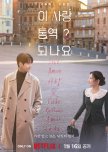
Despite its narrative shortcomings, Can This Love Be Translated? remains a drama that is difficult to dismiss because of how convincingly alive it feels. The strongest elements of the series are undeniably its actors, locations, cinematography, and music, which together create an immersive experience that often compensates for the lack of narrative structure.
The first half of the drama is nearly flawless. The chemistry between Ho Jin and Mu Hee feels effortless and organic, particularly in Japan, where their interactions appear so natural that it feels like these people genuinely exist outside the screen. The absence of heavy exposition or detailed backstory does not hinder the realism; instead, it enhances it. They feel like real professionals—a translator and a rising actress—crossing paths in real time, not characters being forced into a story.
The supporting cast further strengthens this realism. From Mu Hee’s manager and Ho Jin’s writer friend to the multinational group of friends seamlessly switching languages, every character feels as though they are living their own lives independently of the main plot. Even Ho Jin’s mother, who appears without foreshadowing, feels natural rather than intrusive. Hiro and Nanami also add depth, with Hiro subverting expectations set by his early confession and Nanami standing out as a particularly strong presence, aided by authentic casting and fluent bilingual performance.
Where the drama begins to unravel is with the introduction of Do Ra Mi. Her character creates narrative chaos without meaningful payoff. While Go Yun Jung’s performance is undeniably entertaining, the storyline surrounding Do Ra Mi is poorly organized and ultimately unnecessary. Her confessions, unresolved trauma, and abrupt exits feel illogical and underexplored, and the lack of communication between the leads only amplifies this frustration. As a result, the second half loses the emotional clarity and coherence that made the first half so compelling.
There’s honestly nothing left to say about THE Kim Seon Ho and yet, there always is. I feel both blessed and relieved every time I get the honor of watching him on my screen, taking on a new role, a new challenge. This is probably the fourth drama where he appears as a lead, and what stands out the most is how sincere he is in everything he does. Every expression, every line delivery, and even his kissing scenes feel carefully thought out and intentional.
I may be living roughly 2,330–2,390 miles away, and most of this drama was filmed outside Korea, but Kim Seon Ho somehow manages to make his co-actors feel safe, calm, and grounded around him. There’s a quiet reassurance in the way he performs—something that can’t be taught, only felt.
Next comes the most talked-about actress of recent times: Go Yoon Jung. I’ve been watching her since Law School, where she played a side character trapped in an abusive relationship. I never imagined that same actress would later become one of the most beloved and respected K-actresses of her generation. She’s known to be a little introverted in real life, but from the very first episode of this drama, it never felt like she lacked control or clarity over her character.
From sorrow to joy, anxiety to embarrassment—she nailed everything perfectly. And then came the real challenge: Do Ra Mi, a character who shares the same backstory and physicality as Cha Mu Hee but is completely different in mannerisms, speech, and emotional expression. Go Yoon Jung had to constantly switch between these two while maintaining a clear distinction—and she pulled it off seamlessly. Honestly, based purely on performance, she should probably be mentioned first… but I’ll admit, I’m a little biased toward Kim Seon Ho after all.
Up next is the wild card: Fukushi Sota as the second lead. An excellent actor who deserved far more screen time. His chemistry with both Mu Hee and Ra Mi was exceptional. I didn’t expect the enemies-to-lovers trope to work this well, but the moment Do Ra Mi kissed him, all his walls—and mine—started crumbling. I would’ve loved to see more of their sharp back-and-forth tiki-taka.
His Korean dialogue delivery deserves special mention. It was obvious how much effort he put into speaking those lines, and it paid off. I don’t usually enjoy Japanese dramas, so watching him act in a Korean production was genuinely a treat.
Lee Yi Dam left a deep impression on me after Daily Dose of Sunshine, and she once again proved that she’s an exceptional actress. Choi Woo Sung is also one of my personal favorites—someone I’ve seen across multiple dramas in a wide range of supporting roles, always leaving a mark no matter the screen time.
Lastly, a special shoutout to Lee Hyunri, who played Hiro’s manager, Nanami. Her no-nonsense delivery was incredibly fun to watch, and I was genuinely shocked when I heard her speak Korean so fluently.
Technically, however, the drama excels throughout. The OSTs are exceptional, each song clearly crafted with care and emotional intent. The cinematography and locations are among the drama’s strongest achievements. Japan’s melancholic beauty sets the emotional foundation, Canada heightens romantic tension, and Italy, though visually stunning, is sadly undermined by narrative distractions. Still, the effort to showcase culture, language, and global movement feels justified given the male lead’s identity as a polyglot, making the international settings feel purposeful rather than decorative.
The rating would’ve been a 10 if the second part of this drama were a bit more organized, unlike my thoughts. Half of this rating is because of the absolutely fabulous locations this show was filmed in; I would love to forget everything like an amnesia patient so I could experience it again, and the other half goes to the excellent singers and composers who made the OSTs and actors who participated in the drama.
In the end, Can This Love Be Translated? is a drama that shines in atmosphere, performance, and visual storytelling but stumbles badly in narrative execution. The first half is endlessly rewatchable and emotionally rich, while the second half feels rushed, unstructured, and unsatisfying. It is a drama that could have been exceptional but settles instead for being memorable, flawed, and frustratingly close to greatness.
The first half of the drama is nearly flawless. The chemistry between Ho Jin and Mu Hee feels effortless and organic, particularly in Japan, where their interactions appear so natural that it feels like these people genuinely exist outside the screen. The absence of heavy exposition or detailed backstory does not hinder the realism; instead, it enhances it. They feel like real professionals—a translator and a rising actress—crossing paths in real time, not characters being forced into a story.
The supporting cast further strengthens this realism. From Mu Hee’s manager and Ho Jin’s writer friend to the multinational group of friends seamlessly switching languages, every character feels as though they are living their own lives independently of the main plot. Even Ho Jin’s mother, who appears without foreshadowing, feels natural rather than intrusive. Hiro and Nanami also add depth, with Hiro subverting expectations set by his early confession and Nanami standing out as a particularly strong presence, aided by authentic casting and fluent bilingual performance.
Where the drama begins to unravel is with the introduction of Do Ra Mi. Her character creates narrative chaos without meaningful payoff. While Go Yun Jung’s performance is undeniably entertaining, the storyline surrounding Do Ra Mi is poorly organized and ultimately unnecessary. Her confessions, unresolved trauma, and abrupt exits feel illogical and underexplored, and the lack of communication between the leads only amplifies this frustration. As a result, the second half loses the emotional clarity and coherence that made the first half so compelling.
There’s honestly nothing left to say about THE Kim Seon Ho and yet, there always is. I feel both blessed and relieved every time I get the honor of watching him on my screen, taking on a new role, a new challenge. This is probably the fourth drama where he appears as a lead, and what stands out the most is how sincere he is in everything he does. Every expression, every line delivery, and even his kissing scenes feel carefully thought out and intentional.
I may be living roughly 2,330–2,390 miles away, and most of this drama was filmed outside Korea, but Kim Seon Ho somehow manages to make his co-actors feel safe, calm, and grounded around him. There’s a quiet reassurance in the way he performs—something that can’t be taught, only felt.
Next comes the most talked-about actress of recent times: Go Yoon Jung. I’ve been watching her since Law School, where she played a side character trapped in an abusive relationship. I never imagined that same actress would later become one of the most beloved and respected K-actresses of her generation. She’s known to be a little introverted in real life, but from the very first episode of this drama, it never felt like she lacked control or clarity over her character.
From sorrow to joy, anxiety to embarrassment—she nailed everything perfectly. And then came the real challenge: Do Ra Mi, a character who shares the same backstory and physicality as Cha Mu Hee but is completely different in mannerisms, speech, and emotional expression. Go Yoon Jung had to constantly switch between these two while maintaining a clear distinction—and she pulled it off seamlessly. Honestly, based purely on performance, she should probably be mentioned first… but I’ll admit, I’m a little biased toward Kim Seon Ho after all.
Up next is the wild card: Fukushi Sota as the second lead. An excellent actor who deserved far more screen time. His chemistry with both Mu Hee and Ra Mi was exceptional. I didn’t expect the enemies-to-lovers trope to work this well, but the moment Do Ra Mi kissed him, all his walls—and mine—started crumbling. I would’ve loved to see more of their sharp back-and-forth tiki-taka.
His Korean dialogue delivery deserves special mention. It was obvious how much effort he put into speaking those lines, and it paid off. I don’t usually enjoy Japanese dramas, so watching him act in a Korean production was genuinely a treat.
Lee Yi Dam left a deep impression on me after Daily Dose of Sunshine, and she once again proved that she’s an exceptional actress. Choi Woo Sung is also one of my personal favorites—someone I’ve seen across multiple dramas in a wide range of supporting roles, always leaving a mark no matter the screen time.
Lastly, a special shoutout to Lee Hyunri, who played Hiro’s manager, Nanami. Her no-nonsense delivery was incredibly fun to watch, and I was genuinely shocked when I heard her speak Korean so fluently.
Technically, however, the drama excels throughout. The OSTs are exceptional, each song clearly crafted with care and emotional intent. The cinematography and locations are among the drama’s strongest achievements. Japan’s melancholic beauty sets the emotional foundation, Canada heightens romantic tension, and Italy, though visually stunning, is sadly undermined by narrative distractions. Still, the effort to showcase culture, language, and global movement feels justified given the male lead’s identity as a polyglot, making the international settings feel purposeful rather than decorative.
The rating would’ve been a 10 if the second part of this drama were a bit more organized, unlike my thoughts. Half of this rating is because of the absolutely fabulous locations this show was filmed in; I would love to forget everything like an amnesia patient so I could experience it again, and the other half goes to the excellent singers and composers who made the OSTs and actors who participated in the drama.
In the end, Can This Love Be Translated? is a drama that shines in atmosphere, performance, and visual storytelling but stumbles badly in narrative execution. The first half is endlessly rewatchable and emotionally rich, while the second half feels rushed, unstructured, and unsatisfying. It is a drama that could have been exceptional but settles instead for being memorable, flawed, and frustratingly close to greatness.
Was this review helpful to you?


