

 2
2 1
1 1
1


This review may contain spoilers
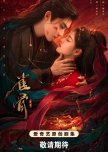
Key to the Phoenix Heart (2026) — Review
Watching Key to the Phoenix Heart (2026) was a pleasant surprise that kept me invested from beginning to end. I initially expected another historical drama built around an arranged marriage, palace intrigue, and political conflict, but it offered much more than familiar tropes. The series stands out by placing equal emphasis on its intricate political narrative and the emotional growth of its characters. As the story unfolds, it explores themes of trust, loyalty, sacrifice, and resilience against a backdrop of rebellion and shifting alliances. With strong performances, thoughtful writing, and polished production, Key to the Phoenix Heart delivers a compelling and emotionally rewarding experience that lingers long after the final episode.
Hou Ming Hao delivers a compelling performance as Xiao Wu Yi, the cold, calculating commander of the Northern Army. From his very first appearance, he commands attention with a quiet yet commanding presence. Beneath his stern exterior lies a man driven not only by ambition but also by an unwavering sense of duty toward his people and the stability of the realm. What impressed me most was how naturally his character evolves throughout the series. Initially, he views alliances including marriage as strategic necessities, but as circumstances change, he gradually learns the value of trust, loyalty, and genuine companionship. Hou Ming Hao portrays these emotional shifts with remarkable restraint, allowing subtle expressions and quiet moments to reveal Xiao Wu Yi's growing vulnerability. His calm authority during military discussions and political confrontations makes every scene engaging, while his emotional transformation gives the character remarkable depth.
Ai Mi is equally captivating as Xie Jia Yu, the intelligent, resourceful, and financially driven daughter of the Grand Tutor. Her sharp wit and pragmatic approach to survival make her one of the drama's greatest strengths. Rather than portraying her as simply clever, the writing gives her emotional depth and allows viewers to understand the reasons behind her cautious nature. Ai Mi balances confidence, vulnerability, and humor beautifully, creating a heroine who feels both capable and relatable. Watching Xie Jia Yu gradually open herself to trust while remaining true to her intelligence makes her journey especially rewarding.
The chemistry between Hou Ming Hao and Ai Mi is one of the drama's greatest strengths. Despite their real-life age difference, their chemistry is natural and they share a natural and convincing on-screen connection that never feels forced. Their performances complement each other beautifully, making every interaction feel genuine and emotionally engaging. From their early moments of mistrust and cautious exchanges to the gradual development of trust, understanding, and affection, their relationship unfolds at a satisfying pace. Their subtle expressions, quiet conversations, and unwavering support for one another make their romance feel authentic, heartfelt, and well-earned. Together, they bring warmth and emotional depth to the story, making Xiao Wu Yi and Xie Jia Yu one of the most memorable aspects of the series.
The supporting cast significantly enriches the narrative. Members of the royal court, military officers, political rivals, and family members all have distinct motivations that create an intricate web of loyalty, betrayal, and ambition. Rather than serving as background characters, many receive meaningful development that complements the protagonists' journey. Their personal struggles reinforce the drama's central themes of sacrifice, redemption, and the consequences of power. The family dynamics, in particular, provide emotional grounding amid the larger political conflicts, making the story even more compelling.
The production quality remains consistently impressive throughout the series. The costumes are beautifully crafted and reflect each character's status while remaining appropriate to the historical setting. The cinematography effectively contrasts the elegance of the royal palaces with the harsh realities of military camps and battlefields, creating a visually immersive experience. Action sequences prioritize strategy and emotional stakes over excessive spectacle, making every confrontation feel purposeful. Meanwhile, the musical score enhances both intimate character moments and major turning points without ever overpowering the story.
The pacing is generally well balanced. The early episodes efficiently establish the world, introduce the central conflicts, and develop the main characters before gradually expanding into larger political schemes. While the middle portion occasionally slows due to extended court intrigue and strategic discussions, these moments ultimately strengthen the narrative by building tension and providing a satisfying emotional payoff.
What resonated with me most was the drama's commitment to character-driven storytelling. Xiao Wu Yi's transformation from an emotionally distant military strategist into someone capable of trust and genuine partnership feels authentic because every change is supported by meaningful experiences. Likewise, Xie Jia Yu's journey demonstrates that intelligence is not merely a tool for survival but also a path toward compassion, understanding, and meaningful human connection. Together, their evolution from reluctant political partners into devoted lifelong companions feels sincere and emotionally rewarding. Their growing ability to understand each other's pasts, strengths, and vulnerabilities strengthens both their relationship and the overall narrative.
Beyond its romance, Key to the Phoenix Heart thoughtfully explores themes of duty, loyalty, sacrifice, and the ever-changing nature of power. The rebellion serves as more than just a backdrop; it actively shapes the characters' choices, testing their convictions and forcing them to grow. The drama embraces moral complexity without reducing conflicts to simple notions of right and wrong, making the political storyline feel engaging and believable. By the final episodes, the resolutions provide emotional closure that feels well earned after everything the characters have endured.
The series is not without its flaws. Some political subplots occasionally revisit familiar historical drama tropes and could have been condensed to improve momentum. A few emotional moments might have carried even greater impact with additional buildup, and the middle portion experiences slight pacing dips. However, these minor shortcomings are outweighed by the consistently strong performances, thoughtful writing, engaging character development, and satisfying emotional payoff.
Overall, Key to the Phoenix Heart is a rewarding historical drama that successfully balances political intrigue with heartfelt character development. Its greatest strength lies in the gradual evolution of its central relationship, allowing love, trust, and partnership to develop naturally rather than through forced romantic moments. Supported by memorable performances, beautiful production design, and meaningful themes, the series stands out through its emotional depth and strong storytelling. For viewers who enjoy intelligent protagonists, slow-burn romance, intricate political conflicts, and satisfying character growth, this drama is well worth watching. It left me genuinely invested in its characters long after the final episode, making it an easy recommendation for fans of historical dramas.
I HIGHLY RECOMMENDED!
Hou Ming Hao delivers a compelling performance as Xiao Wu Yi, the cold, calculating commander of the Northern Army. From his very first appearance, he commands attention with a quiet yet commanding presence. Beneath his stern exterior lies a man driven not only by ambition but also by an unwavering sense of duty toward his people and the stability of the realm. What impressed me most was how naturally his character evolves throughout the series. Initially, he views alliances including marriage as strategic necessities, but as circumstances change, he gradually learns the value of trust, loyalty, and genuine companionship. Hou Ming Hao portrays these emotional shifts with remarkable restraint, allowing subtle expressions and quiet moments to reveal Xiao Wu Yi's growing vulnerability. His calm authority during military discussions and political confrontations makes every scene engaging, while his emotional transformation gives the character remarkable depth.
Ai Mi is equally captivating as Xie Jia Yu, the intelligent, resourceful, and financially driven daughter of the Grand Tutor. Her sharp wit and pragmatic approach to survival make her one of the drama's greatest strengths. Rather than portraying her as simply clever, the writing gives her emotional depth and allows viewers to understand the reasons behind her cautious nature. Ai Mi balances confidence, vulnerability, and humor beautifully, creating a heroine who feels both capable and relatable. Watching Xie Jia Yu gradually open herself to trust while remaining true to her intelligence makes her journey especially rewarding.
The chemistry between Hou Ming Hao and Ai Mi is one of the drama's greatest strengths. Despite their real-life age difference, their chemistry is natural and they share a natural and convincing on-screen connection that never feels forced. Their performances complement each other beautifully, making every interaction feel genuine and emotionally engaging. From their early moments of mistrust and cautious exchanges to the gradual development of trust, understanding, and affection, their relationship unfolds at a satisfying pace. Their subtle expressions, quiet conversations, and unwavering support for one another make their romance feel authentic, heartfelt, and well-earned. Together, they bring warmth and emotional depth to the story, making Xiao Wu Yi and Xie Jia Yu one of the most memorable aspects of the series.
The supporting cast significantly enriches the narrative. Members of the royal court, military officers, political rivals, and family members all have distinct motivations that create an intricate web of loyalty, betrayal, and ambition. Rather than serving as background characters, many receive meaningful development that complements the protagonists' journey. Their personal struggles reinforce the drama's central themes of sacrifice, redemption, and the consequences of power. The family dynamics, in particular, provide emotional grounding amid the larger political conflicts, making the story even more compelling.
The production quality remains consistently impressive throughout the series. The costumes are beautifully crafted and reflect each character's status while remaining appropriate to the historical setting. The cinematography effectively contrasts the elegance of the royal palaces with the harsh realities of military camps and battlefields, creating a visually immersive experience. Action sequences prioritize strategy and emotional stakes over excessive spectacle, making every confrontation feel purposeful. Meanwhile, the musical score enhances both intimate character moments and major turning points without ever overpowering the story.
The pacing is generally well balanced. The early episodes efficiently establish the world, introduce the central conflicts, and develop the main characters before gradually expanding into larger political schemes. While the middle portion occasionally slows due to extended court intrigue and strategic discussions, these moments ultimately strengthen the narrative by building tension and providing a satisfying emotional payoff.
What resonated with me most was the drama's commitment to character-driven storytelling. Xiao Wu Yi's transformation from an emotionally distant military strategist into someone capable of trust and genuine partnership feels authentic because every change is supported by meaningful experiences. Likewise, Xie Jia Yu's journey demonstrates that intelligence is not merely a tool for survival but also a path toward compassion, understanding, and meaningful human connection. Together, their evolution from reluctant political partners into devoted lifelong companions feels sincere and emotionally rewarding. Their growing ability to understand each other's pasts, strengths, and vulnerabilities strengthens both their relationship and the overall narrative.
Beyond its romance, Key to the Phoenix Heart thoughtfully explores themes of duty, loyalty, sacrifice, and the ever-changing nature of power. The rebellion serves as more than just a backdrop; it actively shapes the characters' choices, testing their convictions and forcing them to grow. The drama embraces moral complexity without reducing conflicts to simple notions of right and wrong, making the political storyline feel engaging and believable. By the final episodes, the resolutions provide emotional closure that feels well earned after everything the characters have endured.
The series is not without its flaws. Some political subplots occasionally revisit familiar historical drama tropes and could have been condensed to improve momentum. A few emotional moments might have carried even greater impact with additional buildup, and the middle portion experiences slight pacing dips. However, these minor shortcomings are outweighed by the consistently strong performances, thoughtful writing, engaging character development, and satisfying emotional payoff.
Overall, Key to the Phoenix Heart is a rewarding historical drama that successfully balances political intrigue with heartfelt character development. Its greatest strength lies in the gradual evolution of its central relationship, allowing love, trust, and partnership to develop naturally rather than through forced romantic moments. Supported by memorable performances, beautiful production design, and meaningful themes, the series stands out through its emotional depth and strong storytelling. For viewers who enjoy intelligent protagonists, slow-burn romance, intricate political conflicts, and satisfying character growth, this drama is well worth watching. It left me genuinely invested in its characters long after the final episode, making it an easy recommendation for fans of historical dramas.
I HIGHLY RECOMMENDED!
Was this review helpful to you?


