

 2
2 1
1 1
1


This review may contain spoilers
Where the Shore Meets the Storm: A Masterclass in Psychological Tension and Redemption
I have watched many Chinese BL series, and this is my first time reviewing one. All Chinese BL series are superb, and To My Shore is certainly one of the most outstanding among them. This production, adapted from the web novel Si Mian Fu (四面佛) by Su Er Liang, is a masterclass in psychological tension, character growth, and the complexities of human desire. By blending the atmospheric storytelling of Chinese dramas with the vibrant production quality of a Thai collaboration, it offers a viewing experience that feels both grounded and cinematically grand.A Study in Contrast: Stability vs. Chaos
At its heart, To My Shore is a character study of two men who exist on opposite ends of the emotional spectrum. You Shu Lang is the embodiment of the "shore" a man who has spent his life building a foundation of stability, professional integrity, and quiet dignity. As a director at a pharmaceutical company, his life is governed by logic and routine. He is not a character who seeks out drama; rather, he is someone who values the peace he has cultivated.
In stark contrast, Fan Xiao represents the turbulent sea. As the heir to a Thai conglomerate, his upbringing was not one of comfort, but of calculated survival. His "twisted, manipulative worldview" is not merely a personality trait but a defense mechanism. When these two worlds collide quite literally in a car accident the drama begins a fascinating exploration of how trauma can shape one’s approach to love.
What makes this drama so compelling is the maturity of the writing. It does not rely on simple misunderstandings to drive the plot. Instead, it focuses on the internal struggle of You Shu Lang as he navigates the sudden intrusion of Fan Xiao into his life. The series asks a profound question: Can someone who views people as chess pieces ever truly learn to see them as partners?
The Art of Manipulation and Genuine Connection
The first half of the series is a psychological game. Fan Xiao’s decision to "entice" Shu Lang into a relationship after discovering his orientation is portrayed with a chilling elegance. We see Fan Xiao using his resources, his charm, and his understanding of human psychology to create a "perfect" version of himself that Shu Lang will find irresistible.
However, the beauty of the performance lies in the subtle shift. As Fan Xiao spends more time with Shu Lang, the mask begins to slip not because he is careless, but because he is being affected by Shu Lang’s genuine nature. Shu Lang’s kindness isn't a performance; it is his reality. For Fan Xiao, who has lived a life of transactional relationships, this sincerity is both terrifying and addictive. The drama captures the moment Fan Xiao realizes he is no longer the hunter, but has himself been caught by the very man he intended to trap.
Production and Atmosphere
The co production with Thailand brings a unique flair to the series. The cinematography is lush, using lighting to reflect the emotional states of the characters. The scenes involving the pharmaceutical corporate backdrop are handled with a professional touch, making Shu Lang’s world feel lived in and authentic. The pacing is deliberate, allowing the tension between the leads to simmer before it eventually boils over.
The chemistry between the two leads is electric, yet refined. They convey a great deal through silence and lingering glances, which is a testament to the actors' ability to inhabit their roles. The dialogue is sharp, often layered with double meanings that reward the attentive viewer.
Detailed Review: Why This Series Resonates
I love this drama because it treats the audience with respect. It doesn't shy away from the darker aspects of Fan Xiao’s character. Many dramas attempt to "soften" a manipulative lead too early, but To My Shore allows him to be truly flawed. This makes his eventual pursuit of redemption much more earned and impactful.
You Shu Lang is a refreshing protagonist in the BL genre. He is intelligent, experienced, and self aware. Watching him slowly open his heart, only to have his world shattered by the truth, is heartbreaking. His reaction to the betrayal is not one of a victim, but of a man who has been deeply wronged and must decide if his principles can survive his feelings for the man who hurt him.
[SPOILER SECTION: Proceed with Caution]
For those who want to understand the deeper narrative arc, the "true colors" reveal is the turning point of the series. When Shu Lang discovers that their "chance" meeting and subsequent romance were meticulously planned by Fan Xiao, the fallout is devastating.
The drama takes a bold step here: Shu Lang does not immediately forgive. He retreats to his "shore," cutting Fan Xiao off entirely. This period of the series is the most emotional, as we see Fan Xiao now truly in love spiraling because he lacks the tools to win someone back honestly. He realizes that money, power, and manipulation are useless against a heart that no longer trusts you.
The climax involving the pharmaceutical company’s stakes and Fan Xiao’s family legacy serves as the final test. Fan Xiao is forced to choose between his conglomerate's interests and Shu Lang’s professional safety. In a powerful subversion of his earlier character, he sacrifices his leverage to protect Shu Lang, proving for the first time that he values Shu Lang’s well being over his own control. The ending is bittersweet but hopeful, suggesting that while the "shore" was damaged by the storm, the two can build a new, more honest foundation together.
Final Thoughts
To My Shore is a sophisticated, emotionally resonant drama that stands out for its complex characters and high production values. It successfully navigates the "red flag to green flag" trope by grounding the transition in genuine character development rather than plot convenience.
If you are looking for a series that combines corporate intrigue with a deeply moving, mature romance, this is a must watch. It is a story about the courage it takes to be honest in a world built on lies, and the transformative power of a love that is truly genuine. It is, without a doubt, a superb addition to the world of Chinese and international BL.
Was this review helpful to you?
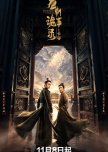
Strange Tales of Tang Dynasty 3: To Changan
20 people found this review helpful
This review may contain spoilers
Don't Miss This: Must Watch! Highly Recommended!
A gentle heads-up upfront: this piece touches on my overall journey through the three seasons. My aim isn’t to reveal surprises, but to share the feelings this series evoked the questions it raised, the emotional connections I made, and the reasons I’ve become deeply attached to the story. This is my personal reflection from the very first episode of S1 to the end of S3, and I want to convey why this is a series you simply have to watch. 10/10 for me.Season 1: The Start – When I Knew I’d Found Something Special
It all began in (2022), on a quiet evening while browsing for something new. Little did I know that the next 36 episodes would mark the start of a journey I would follow for years. Season 1 deftly introduced Lu Lingfeng and Su Wuming two men of contrasting personalities, yet their partnership would become the beating heart of the entire series.
Lu was every bit the warrior: as deputy minister of the Grand Court of Justice, he wielded a sharp sword and an even sharper sense of justice, often leading him into precarious situations. Su, in contrast, was a registrar of cleverness, possessing a quick tongue and a gift for uncovering secrets he solved cases not with force, but with keen observation and wit. Together, they navigated mysteries that seamlessly blended the supernatural with the deeply human. I was immediately drawn in by how the narrative explored the complexities of human nature, set against the backdrop of a richly realized historical period.
One of the moments that resonated most from S1’s finale involved Lu and Su confronting an impossible choice between loyalty and duty. The scene where they stood together, refusing to compromise their values, remains etched in my mind. It was at this point that I recognized this was far more than just a costume drama; it was a profound exploration of courage, integrity, and the strength of true friendship. The final scene, with the pair vowing to continue their fight for what’s right, left me eagerly anticipating what was to come.
Season 2: To the West – When the Story Grew Richer
When S2 arrived in (2024), I felt a sense of nervous anticipation. Could it possibly live up to the magic of S1? Within the opening minutes of the first episode, all my doubts vanished. Under the direction of Bai Shan, this 40-episode arc transported Lu and Su on a perilous journey to the western regions of the Tang during Emperor Ruizong’s reign. The empire remained grand and prosperous, but beneath the surface, dark forces stirred, and strange incidents plagued the countryside.
One of the storylines that struck me most deeply involved a village terrorized by a “shadow demon.” As Lu and Su investigated, they unearthed a tragic truth regarding the pain and injustice that can drive people to desperate measures. The narrative served as a potent reminder that the most terrifying entities aren't always the supernatural, but the very real demons that reside within the human heart.
Season 2 also injected fresh energy into the team with the introduction of new faces. However, it wasn't without its challenges. Lu was forced to confront a personal crisis when a secret from his past threatened to unravel his world. Throughout it all, Su remained steadfast, their bond of friendship deepening with each obstacle they overcame. By the season's end, with the duo setting their sights back on Chang’an, I was convinced that the series was only continuing to ascend.
Season 3: To Chang’an – And Then Came S3
And then came S3 (2025) a chapter that captured everything I loved about the series and elevated it to unprecedented heights. Under the direction of Ju Xingmao, this 40-episode season brought Lu and Su back to the capital, where they were tasked with escorting a golden peach tribute from the Kingdom of Kang. What initially appeared as a straightforward assignment soon spiraled into something far more intricate: Chang’an was in a state of turmoil, with political intrigue permeating every corner of the city.
The team established their base at the Sushan Inn, covertly transforming it into an intelligence hub, and initiated a “citywide investigation model” to tackle a series of bizarre cases. What I found particularly compelling was how each case subtly connected to a larger, overarching political mystery, ensnaring our protagonists in a web of deceit that placed their friends, families, and even their own lives in grave peril. The emotional stakes were raised to an unbearable level, and the finale, while tinged with tragedy, felt like a perfect culmination of all that had come before.
Despite the heavy price they paid in their relentless pursuit of justice, Lu and Su once again stood overlooking Chang’an, this time as the city embarked on its path to recovery. Their unwavering commitment to protecting the people of the Tang remained unshaken, and while the future may hold uncertainty, their unity in facing it was never in doubt.
My Journey: Why It Never Let Me Down
Having followed "Strange Tales of Tang Dynasty" from its inaugural season to its culmination, I can confidently say that it’s a series that has profoundly resonated with me. Not a single episode has disappointed. The writing is both intelligent and deeply moving, skillfully interweaving elements of mystery, fantasy, and history in a manner that feels both fresh and authentic. Each case is meticulously crafted to keep viewers guessing, yet it’s the characters themselves who truly elevate the narrative to unforgettable heights.
The friendship between Lu and Su serves as the very foundation of the series, and witnessing its evolution over the course of three seasons, from cautious alliance to unwavering brotherhood, is an absolute joy. The supporting cast is equally brilliant, with each character contributing their distinct voice and unique story to the ensemble. The production values are simply breathtaking: from the intricate costumes to the stunning sets and the captivating cinematography, the Tang Dynasty is brought to life in a way that truly transports you into the world alongside the characters.
However, what truly distinguishes "Strange Tales of Tang Dynasty" is its underlying message. In a world that often feels shrouded in darkness and uncertainty, this series serves as a potent reminder that justice, compassion, and friendship are values worth fighting for. It demonstrates that ordinary individuals are capable of extraordinary feats when they unite, and that even amidst the darkest of times, hope can always prevail.
Each time I revisit the series, I discover something new to appreciate a subtle line of dialogue I previously missed, a detail in the set design that enhances the atmosphere, an emotion I didn’t fully grasp upon first viewing. It’s this depth and complexity that makes it the kind of series that lingers in your thoughts long after the credits have rolled, prompting reflection and stirring emotions in unexpected ways. It serves as a potent reminder of why I fell in love with storytelling in the first place.
The Magic That Awaits – Don’t Miss This
Throughout this review, I’ve touched upon some of the pivotal moments from my personal journey with "Strange Tales of Tang Dynasty," but there remains a wealth of untold stories waiting to be discovered. There are emotional crescendos that will leave you breathless and adventures that will keep you on the very edge of your seat. Each season stands as a remarkable journey in its own right, but when viewed collectively, they form a complete and unforgettable story that will stay with you long after the final episode.
I can say with absolute certainty that this is a series you will cherish. It will elicit gasps of surprise, cheers of triumph, and moments of profound emotional connection. It will immerse you in its world, forge deep bonds with its characters, and leave you feeling utterly and completely fulfilled. I wholeheartedly recommend this drama to anyone seeking a story that is both thrilling and meaningful it’s a true gem that deserves every ounce of praise it receives. Don’t miss this.
Was this review helpful to you?
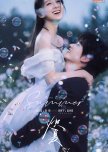
This review may contain spoilers
Never‑Ending Summer (2026) — Review
From the moment I finished the final episode of Never-Ending Summer, I knew this drama would linger with me long after the credits rolled. Adapted from Tian Cu Yu’s web novel Zhui Luo, this 29 episode series directed by Hsu Chao Jen delivers a heartfelt exploration of love, regret, resilience, and redemption that feels both intimately personal and universally resonant. I went in expecting a standard youth romance with a time-skip twist, but what I encountered was a profoundly character driven story that earns its emotional weight through nuanced performances and thoughtful writing. It is, without hesitation, a 10/10 for me.Zhou Wan, portrayed with remarkable depth by Bao Shang’en. Zhou Wan is not your typical flawless heroine; she is resilient yet burdened, intelligent yet flawed by desperation. As a top student facing her grandmother’s life threatening illness and the abandonment by her mother, she makes a calculated decision to approach Lu Xi Xiao. What begins as a strategic move born of necessity evolves into something far more complex.
Bao Shang’en captures the quiet strength and internal conflict of this young woman beautifully. Her expressions convey layers of guilt, longing, and determination that words alone cannot. You feel her isolation, her fierce protectiveness over her grandmother, and the weight of every moral compromise she navigates. In the later timeline, her growth into a capable professional who still carries the scars of youth is portrayed with subtlety and grace watching her confront her past self while refusing to be defined by it is deeply moving.
Opposite her, Daniel Zhou embodies Lu Xi Xiao with a magnetic intensity that perfectly suits the rebellious, wounded heir. Lu Xi Xiao is the quintessential bad boy with a golden heart, but the performance elevates him beyond trope. He is arrogant, fiercely independent, and initially guarded, yet Daniel infuses him with vulnerability that makes his affection for Zhou Wan feel earned and authentic.
Daniel’s portrayal shines in the subtle shifts: the way Lu Xi Xiao’s sharp gaze softens during quiet summer evenings, revealing a young man starved for genuine connection beneath his defiant exterior. We witness his internal battle as he recognizes Zhou Wan’s calculated approach yet chooses to trust her anyway, drawn by her quiet strength.
His protective instincts surface in small, meaningful gestures helping her navigate family pressures or encouraging her dreams while his own artistic passions and strained family ties add rich layers. In the ten year reunion, Daniel masterfully conveys lingering hurt through restrained anger and reluctant tenderness, making Lu Xi Xiao’s gradual thawing feel profoundly real. This depth transforms him into a fully realized character whose growth mirrors the story’s themes of forgiveness and enduring love.
Ten years later, the reunion is charged with unresolved pain. His initial coldness and deliberate difficulties toward her stem not from hatred but from a love he never fully extinguished. The way he gradually lowers his defenses while they collaborate on uncovering truths about a past factory accident adds layers of tension and tenderness. Daniel’s micro expressions and physical presence make Lu Xi Xiao’s emotional journey compelling his quiet realizations and protective instincts shine through even in moments of conflict.
The chemistry between Bao Shang’en and Daniel Zhou is electric and believable. Their early interactions crackle with uncertainty and budding attraction, while the post time skip dynamic is laced with bittersweet familiarity. Height difference, lingering glances, and shared history make every scene between them feel lived in. Whether they are navigating youthful summers filled with small acts of mutual support or confronting workplace challenges and lingering misunderstandings, their connection drives the narrative. The drama excels at showing how love can persist through separation, how misunderstandings rooted in protective lies can fracture even the strongest bonds, and how truth seeking can pave the way back.
What sets Never-Ending Summer apart is its refusal to shy away from emotional complexity. The youthful phase beautifully captures the idealism and fragility of first love. We see Zhou Wan and Lu Xi Xiao supporting each other through family pressures, personal setbacks, and the harsh intrusion of adult realities. Their bond strengthens through shared hardships, but the world intervenes with painful misunderstandings that feel organic rather than contrived. Without revealing too much, certain revelations around family secrets and sacrifices hit hard, forcing both characters to grapple with guilt and forgiveness. These moments elevate the story from simple romance to a meditation on growth and second chances.
In the present timeline, the workplace setting introduces fresh stakes. Their collaboration on the factory accident investigation allows for meaningful character development. Lu Xi Xiao’s evolution from vengeful to understanding, and Zhou Wan’s quiet courage in facing both professional and personal demons, are portrayed with care. The supporting cast adds texture friends like Gu Meng and Jiang Fan provide levity and perspective, while family members represent the complicated ties that shape our leads. Not every side character is deeply fleshed out, but they serve the central relationship effectively.
Visually, the drama is a treat. Warm, sun drenched cinematography in the summer sequences evokes nostalgia and fleeting happiness, contrasting effectively with the cooler, more restrained tones of the later years. The OST complements the mood perfectly, with tracks that underscore tender moments and angsty turning points without overpowering the performances.
Some may critique occasional plot conveniences or pacing in the expanded adaptation from the novel, but for me, these never detracted from the emotional core. The focus remains steadfastly on Zhou Wan and Lu Xi Xiao’s inner worlds their fears, growth, and unwavering pull toward one another. This character focus makes the drama feel intimate and true. It reminded me why stories of youthful passion meeting adult realities can be so powerful: they mirror our own experiences of love lost and, sometimes, rediscovered.
Never-Ending Summer left me with a profound appreciation for its leads’ journeys. Zhou Wan’s quiet determination and Lu Xi Xiao’s fierce loyalty create a romance that feels authentic in its imperfections. The drama doesn’t promise perfection; it shows healing, forgiveness, and the courage to choose love again despite past wounds. For anyone seeking a story rich in emotional depth, stellar acting, and a romance that lingers, this is essential viewing. It perfectly captures why some summers and some loves never truly end.
I HIGHLY RECOMMENDED!
Was this review helpful to you?
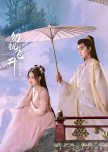
This review may contain spoilers
Personal Review (No Major Spoilers)
I found Flying Up Without Disturb to be a wonderfully rare and enjoyable discovery. I started the drama because of curiosity, stayed because of its charm, and finished it with a heart full of emotions that lingered long after the final episode. For me, it’s a solid 10/10, and I genuinely think it has the potential to move you just as powerfully. What makes this series shine is not simply the romance or the fantasy elements, but the way everything comes together with sincerity, intention, and beautiful storytelling.What impressed me the most is that the drama is not just about love, but about identity, growth, healing, acceptance, and the quiet bravery that comes from choosing your path even when everything around you feels uncertain. Rather than following the typical fantasy romance formula, the show allows its characters to breathe, to fail, to rise, and to let their emotions mature over time. It respects the viewer enough to give space for reflection instead of forcing constant twists. By the end, the emotional investment pays off in the most rewarding way.
Let me start with my absolute highlight: Li Hong Yi as Zhong Xi / Huan Zong. His performance carries the entire emotional weight of the series. He delivers a layered portrayal that makes his character feel both ethereal and grounded, powerful yet vulnerable. From the first episode, there is this quiet, commanding presence in his acting. He doesn’t rely on exaggerated expressions. Instead, the emotions slip through in subtle gestures, the tightening of his jaw, the way his eyes soften when he looks at Kong Hou, or the controlled tone when he’s trying to hide the pain he refuses to name. Everything feels intentional, lived in, and deeply consistent.
What makes Zhong Xi unforgettable is how he balances two identities. There is a gentle tension running through his performance, like he is constantly negotiating with the weight of his responsibilities, the burdens he carries, the secrets he protects, and the longing he tries so hard to suppress. Even when he doesn’t speak, the screen feels full because his emotions are always present. Li Hong Yi is a master of controlled expression, and this role truly showcases how skilled he is at making silence speak.
In contrast, Lu Ting Yu as Kong Hou brings a warm, bright, grounded energy that complements him perfectly. Her performance is graceful yet spirited, full of sincerity and a quiet kind of strength. Kong Hou isn’t just a love interest. She is the emotional pulse of the story. She is compassionate without being naive, brave without needing to be loud, and loyal without losing her individuality. One thing I love about her portrayal is that she grows gradually. Her character moves through innocence, discovery, heartbreak, and eventually profound understanding. But she does it in a way that feels natural, not forced for dramatic effect.
What truly took my heart is the way Li Hong Yi and Lu Ting Yu interact. Their chemistry is not loud. It’s not about flashy tension or dramatic declarations. Instead, their connection grows from small moments. A glance held slightly too long. A soft exchange that carries more meaning than the words being spoken. A hesitation before a touch. This drama understands that romance does not always need explosion. Sometimes the most powerful love stories are the ones told quietly. Their bond feels like two souls slowly learning to trust each other in a world where trust can be the most dangerous thing.
The relationship between Zhong Xi and Kong Hou is a slow burn, but not the frustrating kind. Instead, it is the kind that rewards viewers for patience. Every interaction builds upon the last. Every shared moment adds depth to the connection. Even the challenges they face, including those rooted in secrecy and identity, feel like natural extensions of who they are. Light spoiler: there are scenes where their emotions come to the surface in ways that feel almost poetic. A single sentence, a touch, or even a moment of silence becomes charged because the characters have grown enough to let vulnerability show. Those scenes are crafted with tenderness and respect, and I treasure every one of them.
Another strength of the drama is its atmosphere. The world feels alive without overwhelming the viewer with unnecessary explanations. The fantasy elements are woven smoothly into the narrative. They support the story instead of overshadowing it. The cinematography is beautiful in a simple, non-overproduced way. There are sweeping shots that capture the vastness of their world and quiet, intimate frames that draw the viewer closer to the characters’ emotions. Nothing feels wasted. Nothing feels out of place.
The soundtrack deserves praise as well. There are scenes where the music elevates everything happening on screen. Sometimes it’s melancholic. Sometimes it’s gentle. Sometimes it’s hopeful. But it always fits the atmosphere of the moment. There is a particular melody that repeats during emotional turning points, and by the final episode, just hearing it again made my chest tighten. Music becomes an emotional echo in this drama.
Now let’s talk pacing. For me, the pacing is one of the strongest elements. It never drags, even though the story takes time to unfold. It doesn’t rush to deliver answers or emotions. The pace allows you to sit with the characters, understand their struggles, and connect with their journey. The story trusts the audience to follow emotional logic instead of constantly relying on dramatic twists. The ending is satisfying but also slightly bittersweet. Not tragic, but shaped by the sacrifices the characters make along the way. And that makes it feel earned. It’s a conclusion made meaningful by everything that happened before it.
As for light spoilers, I’ll keep them gentle, but I want to highlight a few emotional beats that stood out without giving away the major storyline. There are moments where Zhong Xi must hide his true identity, and the way he navigates those situations adds incredible emotional depth. There are scenes where Kong Hou confronts her own fears and insecurities, and her growth feels powerful and real. Their relationship faces moments of distance, moments of misunderstanding, and moments where the truth threatens to break them apart. But instead of using these moments for shock value, the drama uses them to deepen the emotional resonance. Nothing feels cheap or manipulative.
One of my favorite scenes shows how Zhong Xi’s feelings spill through even though he tries to hide them. Another scene shows Kong Hou making a choice that proves her love is not fragile. These moments are full of tension and tenderness, and they stay with you. By the time the final episode arrives, everything feels complete. The emotional payoff is strong without relying on dramatic chaos. The show respects its characters too much for that.
Now let me shift to a more personal perspective. Watching this drama reminded me why I love immersive storytelling. It made me feel deeply connected to the characters. It made me reflect on themes like inner conflict, emotional honesty, and the courage it takes to choose love even when the world seems to be working against you. I found myself rooting for both leads not just as a couple but as individuals trying to navigate complicated lives. They earn their journey. They earn their love. They earn their ending.
What makes this series special is the sincerity behind its storytelling. Every episode feels like a piece of a puzzle. Every moment feels like it has purpose. The drama has a soft, elegant beauty that stays with you. There’s no unnecessary drama. No pointless arguments. No exaggerated villains. Instead, the conflicts arise naturally from character choices and emotional truths. It’s the kind of story where the real enemies are fear, doubt, destiny, and the secrets we keep. And watching the characters confront those things creates a compelling emotional arc.
I especially appreciate how the show portrays emotional maturity. Zhong Xi’s growth is subtle but meaningful. Kong Hou’s strength is gentle but undeniable. Their relationship evolves through communication, trust, shared pain, and shared hope. Even the supporting characters add value without taking the spotlight away. The show knows what story it wants to tell and stays committed to it from beginning to end.
By the time I reached the final episode, I felt a sense of completion mixed with affection and gratitude. It’s rare to find a drama that is consistent, emotionally rich, beautifully acted, and visually stunning, all while staying grounded in sincerity. This one achieves it. It’s the kind of series you hold onto after finishing. The kind you think about again days later. The kind you might rewatch just to experience certain scenes again. For me, it’s easily a perfect ten.
If you love emotional depth, slow burn romance, magical atmosphere, and characters who grow through vulnerability, this drama will probably become a favorite for you too. It’s a journey worth taking, and Li Hong Yi and Lu Ting Yu give performances that elevate every moment. The show is quiet in its approach yet confident in its delivery. It understands that love, identity, and connection don’t need to shout to be powerful. They just need to be true.
In a world full of noisy dramas chasing attention through constant twists, Flying Up Without Disturb dares to be calm, heartfelt, and deeply human. And that is why it stands out.
If you felt what I felt watching it, then you know. And if you haven’t watched it yet, there’s something beautiful waiting for you.
Was this review helpful to you?
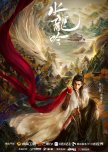
This review may contain spoilers
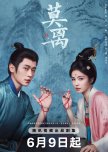
Whispers of Fate: A Masterclass in Visual Grandeur and Emotional Depth (10/10)
"Whispers of Fate" is a breathtaking wuxia drama that transcends the genre, establishing itself as a pinnacle of production quality and performance. Anchored by Luo Yunxi’s mesmerizing portrayal of Tang Lici (A'Li), the series is an absolute triumph that combines high-end fantasy visuals with a deeply complex and moving narrative.The drama’s aesthetic appeal is immediate and stunning. The artistry in the costuming, especially for Tang Lici, is unparalleled. From the contrasting beauty of the black and white wig to the rich colors and intricate details of his elaborate robes, every ensemble is a work of art, enhancing the character's mysterious allure. These visuals, coupled with the truly gorgeous settings and anime-like CGI, elevate every action sequence and magical display, making the world feel expansive and alive.
Yet, the true core of the drama lies in its characters, particularly Tang Lici. Much like Tantai Jin in Till The End of The Moon, Tang Lici is a figure of immense complexity and so many layers. Luo Yunxi’s acting is nothing short of a masterclass. He seamlessly navigates the character's duality: the cunning cultivator, the composed martial artist, and, strikingly, the wild little fox with big, innocent eyes.
His ability to convey profound internal turmoil a storm of pain and doubt beneath a calm exterior is captivating. In scenes of intense emotion, like the raw, childish outbursts, his tear-filled eyes and trembling lips deliver a masterclass in human vulnerability. It truly feels as though Tang Lici was a role specially crafted for him; it's impossible to imagine anyone else inhabiting the character so completely.
The story, penned by the same author as The Lotus Casebook, weaves a compelling and suspenseful narrative focused on themes of love, power, and the high price of choices. While brotherhood and intrigue are central, the subtle, meaningful glances and nuanced expressions between the leads add a delicate, fluttering layer of romance. The supporting cast is equally strong, each member bringing their own flavor without overshadowing the central conflict.
While one might wish for slightly more natural special effects or a tighter edit in certain arcs, these are minor quibbles in the face of such overwhelming quality. "Whispers of Fate" is a drama full of beauty, smart writing, and Luo Yunxi’s truly fantastic acting. It is a must watch for fans of high end fantasy and complex character studies.
Was this review helpful to you?
This review may contain spoilers
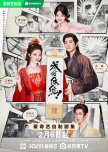
The First Jasmine (2026) — Review
The First Jasmine has captivated me from start to finish. Its greatest achievement lies in the richly drawn central characters and the way their personal struggles intertwine with larger political conflicts, creating a narrative that feels both intimate and epic.Ye Li, masterfully portrayed by Bai Lu, serves as the emotional anchor of the series. As the eldest daughter of the Ye family, she returns from eight years of seclusion on Lishan Mountain to enter a strategic marriage with the crippled Prince Ding, Mo Xiu Yao. Bai Lu brings remarkable complexity to the role, balancing Ye Li’s outward poise and quiet dignity with the profound inner turmoil stemming from her clan’s persecution. Ye Li is intelligent, strategic, and driven by a deep sense of justice, yet she is also haunted by loss and isolation. The actress excels at conveying subtle shifts in expression moments of calculated calm giving way to glimpses of vulnerability, loneliness, or fierce resolve.
What draws me most to Ye Li is her humanity. She is not an untouchable heroine but a woman shaped by trauma who channels her pain into purposeful action. Her methodical pursuit of those who destroyed Lishan unfolds with precision, yet it never overshadows her capacity for compassion and growth. As the story progresses, we see her navigate the challenges of her new marriage while gradually opening herself to trust. Bai Lu’s performance captures these layers beautifully, making Ye Li’s journey from solitary survivor to integral partner incredibly compelling and relatable.
Mo Xiu Yao/Prince Ding, played by Cheng Lei, proves an equally fascinating counterpart. A once promising prince left physically impaired and politically sidelined after personal tragedies, he carries his own hidden agenda and deep seated pain. Cheng Lei delivers a nuanced portrayal that highlights the character’s quiet strength, sharp intellect, and guarded emotions. His initial suspicion toward Ye Li creates palpable tension, but the slow evolution of their relationship built on mutual respect, shared secrets, and tentative vulnerability becomes the drama’s beating heart.
The chemistry between Bai Lu and Cheng Lei is understated yet powerful. Their interactions, whether in moments of quiet caregiving (such as Ye Li attending to Mo Xiu Yao’s condition) or charged confrontations where truths begin to emerge, feel authentic and layered. Cheng Lei’s expressive performance allows viewers to sense the weight behind Mo Xiu Yao’s restraint, while Bai Lu matches him with emotional precision. Together, they transform from wary spouses into formidable allies, their individual strengths amplified by their partnership. This dynamic explores themes of healing, trust, and resilience in ways that resonate long after watching.
The supporting cast further elevates the story. Ye Ying, Ye Li’s sister, introduces familial jealousy and rivalry that adds emotional friction, particularly in her marriage to Mo Jing Li. Mo Jing Li himself emerges as a multifaceted figure whose ambitions and past connections with Ye Li complicate the central romance. Court officials, the emperor, and other power players bring believable motives and shifting allegiances that heighten the intrigue without feeling contrived. Each character feels purposeful, contributing to a world where personal vendettas and political machinations are deeply intertwined.
One of the drama’s most rewarding elements is its sensitive handling of trauma and recovery. Both protagonists bear significant scars Ye Li’s emotional and psychological burdens from her mountain years, and Mo Xiu Yao’s physical limitations coupled with family losses. Rather than relying on heavy exposition, the series reveals their inner worlds through actions, subtle dialogue, and pivotal revelations. Misunderstandings test their bond, leading to painful yet cathartic developments that strengthen their connection. These character driven moments make the larger revenge and restoration arcs feel personal and earned.
Production values support the strong writing and performances admirably. The Tang inspired visuals, elegant cinematography, and measured pacing allow the characters’ stories to breathe. Political schemes and strategic confrontations are woven seamlessly with quieter, introspective scenes, maintaining engagement across episodes.
Ultimately, The First Jasmine excels because it prioritizes character depth over formulaic tropes. Ye Li and Mo Xiu Yao are not merely vehicles for plot; they are fully realized individuals whose growth, vulnerabilities, and evolving love story form the true heart of the drama. I found myself invested in their fates, admiring their resilience, and rooting for their hard won peace. Bai Lu and Cheng Lei’s performances elevate the material into something memorable and emotionally rich.
This is a drama I recommend wholeheartedly to fans of historical tales with strong character focus, intricate relationships, and satisfying payoffs. It balances revenge, romance, and intrigue with thoughtful execution, leaving a lasting impression.
Was this review helpful to you?
This review may contain spoilers
The Art of Wearing Masks: A Deep Dive into How Dare You!?
In a genre often defined by fleeting trends and rapid consumption, How Dare You!? stands as a quiet revelation. While it is packaged as a short-form web drama, viewing it merely through that lens does it a disservice. At its core, this is not just a story about transmigration or court intrigue; it is a sophisticated study of identity, isolation, and the profound relief of being understood. Having followed the journey of these characters to its conclusion, I rate this drama as an exceptional piece of storytelling, and I love it for the courage it displays in tackling complex emotional themes within a condensed format.My review centers on one specific idea that defines the brilliance of this show: the burden of the "mask" and the desperate human need to take it off.
The Architecture of Isolation
To understand why this drama resonates so deeply, we must look at the specific nightmare its male protagonist, Zhang San, endures. Unlike the typical narrative where a hero arrives and immediately conquers, Zhang San has been trapped in this fictional world for over a decade. He is a modern man forced to play the role of a feckless, tyrannical emperor to appease a "System" that dictates the plot.
This premise sets the stage for a character study that is heartbreakingly realistic. Imagine the psychological toll of being the only sentient human in a world of scripted characters. For ten years, he has had no one to speak to, no one who understands his references, and no one to trust. He has survived by becoming a master actor, hiding his competence and his true self behind a façade of mediocrity. This element of time creates a heavy atmosphere that anchors the show. When we see the weariness in his eyes, it feels earned. He is not just a romantic lead; he is a survivor of profound loneliness.
The Spark of Recognition
The arrival of the female lead, Wang Cui Hua, transforms the story from a tragedy of isolation into a dynamic thriller of connection. She is the anomaly, the variable that breaks the ten-year silence.
What makes their dynamic so compelling and why I admire the writing so much is that their bond is not formed through instant attraction, but through shared reality. They are two spies in enemy territory. The script requires them to act as enemies or dysfunctional royals in public, reciting archaic poetry and cruel lines. Yet, in the private moments between scenes, they drop the act.
The review of this drama cannot be complete without praising the acting required to portray this duality. The actors are essentially playing two roles at once: the ancient stereotype and the modern person underneath. There is a specific thrill in watching them navigate a banquet or a court session. They communicate in code, using modern logic to solve ancient political problems. This partnership is the "true idea" of the show: love is not about grand gestures, but about finding the one person with whom you do not have to pretend.
Fighting the Script
The drama creates tension not through physical battles, but through an existential war against "The Plot." This is where the narrative engages the viewer most effectively. We know that in the original novel they are inhabiting, the villainous Empress and the Tyrant are destined to die so that the "protagonists" can succeed.
This creates a layer of suspense that hangs over every comedic moment. As Wang Cui Hua and Zhang San work to improve the kingdom implementing disaster relief, changing tax laws, and actually caring for the citizens they are fighting a current that is trying to drown them. The "cruel prophecy" is not just a plot device; it is a manifestation of fate.
I found myself deeply moved by their defiance. They know the ending is written against them, yet they choose to build a life anyway. There is a beautiful, melancholic bravery in their actions. They try to be good people in a world that forces them to be villains. This thematic conflict elevates the show above its peers. It asks the viewer: If you knew your time was limited and your end was scripted, would you still try to make the world better? The answer this drama provides is a resounding yes.
A Professional Execution
From a technical standpoint, How Dare You!? maximizes its resources to tell a focused story. The cinematography often utilizes tight frames and close-ups, which works to the narrative's advantage by emphasizing the claustrophobia of the palace and the intensity of the characters' private conversations.
The pacing is breathless but never rushed. Because the episodes are short, there is no room for filler. Every conversation carries weight. The transition from the comedic misunderstandings of the early episodes to the high-stakes survival drama of the latter half is handled with a steady hand. By the time you reach the critical moments in the final stretch, the emotional payoff is substantial because the show has spent its time building a genuine partnership between the leads rather than relying on clichés.
Conclusion
I love How Dare You!? because it is a story that respects the intelligence of its audience. It takes a premise that could have been entirely silly and infuses it with genuine heart and philosophical weight.
It is a review of the human condition as much as it is a review of a drama. It reminds us that we all wear masks in our daily lives at work, in society, in public and that the greatest fortune is finding someone who recognizes the person beneath the costume.
If you are looking for a drama that offers more than just surface-level entertainment, this is it. It is a polished, professional, and deeply affecting series that creates a perfect balance between the absurdity of fiction and the reality of human emotion. I rate this highly, not just as a consumer of media, but as someone who appreciates storytelling that dares to find hope in a hopeless script.
Was this review helpful to you?
This review may contain spoilers
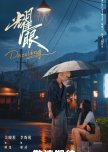
Dazzling (2026) — Review
As someone who loves stories that dive deep into characters and their emotional journeys, this one completely won me over from the first episode. Starring Guan Xiaotong as Qing Ye and Li Yunrui as Xing Wu, it tells a heartfelt tale of growth, connection, and second chances that feels authentic and touching from start to finish. I finished every episode feeling moved, and certain scenes still replay in my mind. It’s the kind of drama that makes you care deeply about the people on screen and the world they live in.Guan Xiaotong’s portrayal of Qing Ye. She returns to her hometown of Zhazhating during her senior year after a family emergency, uprooted from the bustling city life she knew. Xiaotong brings so much nuance and vulnerability to this role you feel her initial disorientation, her quiet resistance to the slower pace of small town life, and her gradual opening up. She starts off ambitious and set on leaving as soon as possible, but her decision to help Xing Wu graduate becomes a turning point. I loved watching her growth. She learns patience through their study sessions, shows empathy in ways that feel natural, and discovers strength in vulnerability. Her intelligence and determination shine, but it’s her compassion and resilience that make her so relatable. Xiaotong captures every subtle shift in expression and emotion, making Qing Ye someone I rooted for wholeheartedly. Her journey from feeling out of place to finding belonging through meaningful bonds is inspiring and beautifully developed.
Li Yunrui’s performance as Xing Wu is equally compelling. He plays a local teen dealing with academic struggles, family responsibilities, and his own guarded nature. Yunrui brings quiet depth, sincerity, and hidden tenderness to the character, showing Xing Wu’s underlying kindness and strength through small, meaningful actions rather than big gestures. I especially appreciated how his reserved personality slowly softens around Qing Ye. Their initial clashes feel real stemming from differences in background and first impressions but these moments help them understand each other better.
The chemistry between them is natural and magnetic. Whether they’re navigating shared living spaces, studying late into the night, or taking walks by the sea, every interaction builds tension and affection in the most organic way. Their personalities complement each other perfectly: her drive inspires him, while his grounded presence helps her settle in. The high school arc captures those innocent, heart fluttering moments of youthful connection so well.
The supporting cast adds incredible richness to the story. They bring warmth, wisdom, and stability during tough family moments while creating genuine friendships, lighthearted banter, shared meals, and community interactions that balance the deeper emotions perfectly. The ensemble makes the town of Zhazhating feel truly alive, showing how the people around Qing Ye and Xing Wu influence their growth and provide levity and depth without ever overshadowing the leads.
Visually, Dazzling is a cinematic gem. The seaside setting, with its golden sunsets, breezy coastal paths, and intimate indoor spaces, is captured beautifully and acts like another character in the story. The cinematography enhances every mood dreamy yet grounded, nostalgic without being overly sentimental. Frames of the ocean waves mirroring emotional turmoil or calm, soft lighting during tender conversations, and the contrast between urban flashbacks and small town tranquility make the visuals immersive and stunning.
The production design is meticulous, from authentic high school details to the evolved adult environments years later, creating a cohesive and lived in world. Every element feels polished and intentional, drawing you deeper into the characters’ lives and the healing atmosphere of the coastal town.
I really appreciate how the drama focuses on their individual growth alongside their relationship. Qing Ye’s choice to support Xing Wu isn’t just about academics; it becomes a path for her own self discovery. She learns to value community and small joys in a place she once wanted to escape. Xing Wu, motivated by her belief in him, gains confidence and direction. There are light misunderstandings and jealous moments early on, like assumptions about each other’s lives or petty tensions from their different worlds, but these feel true to life and serve to deepen their bond rather than create unnecessary drama. It’s refreshing to see conflicts arise naturally from personalities and circumstances, making their slow-burn romance feel earned and satisfying.
The time jump to their adult years adds wonderful emotional layers. Both return to Zhazhating years later, shaped by their separate paths yet carrying those unresolved feelings. Watching their reunion unfold with more maturity is incredibly rewarding.
Xing Wu’s lingering affection for Qing Ye becomes more evident, and their interactions gain depth through shared responsibilities and honest conversations. Some light spoilers to highlight the magic: the hesitant moments of reconnection after years apart, the way they step up for each other amid ongoing personal and family challenges, seaside talks where past emotions resurface, and the tender realizations during quiet evenings that show how their foundation has strengthened over time.
These scenes reveal how time refines emotions, turning youthful sparks into something enduring and profound. Their second chance feels genuine because we’ve witnessed their individual growth and the quiet ways they continue to impact each other’s lives.
Dazzling touches me personally because it celebrates quiet resilience and the idea that home can be found in people rather than places. Qing Ye’s adaptation journey reminds me how change, though difficult at first, can lead to beautiful discoveries about oneself and others. Xing Wu’s arc highlights the transformative power of genuine support and belief from someone who sees your potential. It’s a story about mutual growth, healing old wounds, and embracing second chances in love and life.
The emotions feel authentic, the character development is rich and layered, and the romance builds in a way that feels true and satisfying. The strong ensemble performances and cinematic beauty elevate it even further, making every episode a visual and emotional treat.
Guan Xiaotong and Li Yunrui, along with the entire cast, deliver standout work that brings Qing Ye, Xing Wu, and their world to life with vulnerability and charm. They make you invest fully in their story. This drama isn’t just about romance it’s a warm, heartfelt exploration of personal evolution, community, and finding light in unexpected connections, all wrapped in beautiful storytelling and production. It left me feeling hopeful and reflective, and I’ve already thought about rewatching my favorite parts.
If you love stories that explore personal healing, quiet resilience, and how meaningful connections can change the path of your life, Dazzling is a heartfelt journey you need to experience. Beautiful visuals, incredible character growth, and pure heart—it is a...
MUST WATCH! I HIGHLY RECOMMENDED!
Was this review helpful to you?
This review may contain spoilers
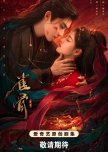
Key to the Phoenix Heart (2026) — Review
Watching Key to the Phoenix Heart (2026) was a pleasant surprise that kept me invested from beginning to end. I initially expected another historical drama built around an arranged marriage, palace intrigue, and political conflict, but it offered much more than familiar tropes. The series stands out by placing equal emphasis on its intricate political narrative and the emotional growth of its characters. As the story unfolds, it explores themes of trust, loyalty, sacrifice, and resilience against a backdrop of rebellion and shifting alliances. With strong performances, thoughtful writing, and polished production, Key to the Phoenix Heart delivers a compelling and emotionally rewarding experience that lingers long after the final episode.Hou Ming Hao delivers a compelling performance as Xiao Wu Yi, the cold, calculating commander of the Northern Army. From his very first appearance, he commands attention with a quiet yet commanding presence. Beneath his stern exterior lies a man driven not only by ambition but also by an unwavering sense of duty toward his people and the stability of the realm. What impressed me most was how naturally his character evolves throughout the series. Initially, he views alliances including marriage as strategic necessities, but as circumstances change, he gradually learns the value of trust, loyalty, and genuine companionship. Hou Ming Hao portrays these emotional shifts with remarkable restraint, allowing subtle expressions and quiet moments to reveal Xiao Wu Yi's growing vulnerability. His calm authority during military discussions and political confrontations makes every scene engaging, while his emotional transformation gives the character remarkable depth.
Ai Mi is equally captivating as Xie Jia Yu, the intelligent, resourceful, and financially driven daughter of the Grand Tutor. Her sharp wit and pragmatic approach to survival make her one of the drama's greatest strengths. Rather than portraying her as simply clever, the writing gives her emotional depth and allows viewers to understand the reasons behind her cautious nature. Ai Mi balances confidence, vulnerability, and humor beautifully, creating a heroine who feels both capable and relatable. Watching Xie Jia Yu gradually open herself to trust while remaining true to her intelligence makes her journey especially rewarding.
The chemistry between Hou Ming Hao and Ai Mi is one of the drama's greatest strengths. Despite their real-life age difference, their chemistry is natural and they share a natural and convincing on-screen connection that never feels forced. Their performances complement each other beautifully, making every interaction feel genuine and emotionally engaging. From their early moments of mistrust and cautious exchanges to the gradual development of trust, understanding, and affection, their relationship unfolds at a satisfying pace. Their subtle expressions, quiet conversations, and unwavering support for one another make their romance feel authentic, heartfelt, and well-earned. Together, they bring warmth and emotional depth to the story, making Xiao Wu Yi and Xie Jia Yu one of the most memorable aspects of the series.
The supporting cast significantly enriches the narrative. Members of the royal court, military officers, political rivals, and family members all have distinct motivations that create an intricate web of loyalty, betrayal, and ambition. Rather than serving as background characters, many receive meaningful development that complements the protagonists' journey. Their personal struggles reinforce the drama's central themes of sacrifice, redemption, and the consequences of power. The family dynamics, in particular, provide emotional grounding amid the larger political conflicts, making the story even more compelling.
The production quality remains consistently impressive throughout the series. The costumes are beautifully crafted and reflect each character's status while remaining appropriate to the historical setting. The cinematography effectively contrasts the elegance of the royal palaces with the harsh realities of military camps and battlefields, creating a visually immersive experience. Action sequences prioritize strategy and emotional stakes over excessive spectacle, making every confrontation feel purposeful. Meanwhile, the musical score enhances both intimate character moments and major turning points without ever overpowering the story.
The pacing is generally well balanced. The early episodes efficiently establish the world, introduce the central conflicts, and develop the main characters before gradually expanding into larger political schemes. While the middle portion occasionally slows due to extended court intrigue and strategic discussions, these moments ultimately strengthen the narrative by building tension and providing a satisfying emotional payoff.
What resonated with me most was the drama's commitment to character-driven storytelling. Xiao Wu Yi's transformation from an emotionally distant military strategist into someone capable of trust and genuine partnership feels authentic because every change is supported by meaningful experiences. Likewise, Xie Jia Yu's journey demonstrates that intelligence is not merely a tool for survival but also a path toward compassion, understanding, and meaningful human connection. Together, their evolution from reluctant political partners into devoted lifelong companions feels sincere and emotionally rewarding. Their growing ability to understand each other's pasts, strengths, and vulnerabilities strengthens both their relationship and the overall narrative.
Beyond its romance, Key to the Phoenix Heart thoughtfully explores themes of duty, loyalty, sacrifice, and the ever-changing nature of power. The rebellion serves as more than just a backdrop; it actively shapes the characters' choices, testing their convictions and forcing them to grow. The drama embraces moral complexity without reducing conflicts to simple notions of right and wrong, making the political storyline feel engaging and believable. By the final episodes, the resolutions provide emotional closure that feels well earned after everything the characters have endured.
The series is not without its flaws. Some political subplots occasionally revisit familiar historical drama tropes and could have been condensed to improve momentum. A few emotional moments might have carried even greater impact with additional buildup, and the middle portion experiences slight pacing dips. However, these minor shortcomings are outweighed by the consistently strong performances, thoughtful writing, engaging character development, and satisfying emotional payoff.
Overall, Key to the Phoenix Heart is a rewarding historical drama that successfully balances political intrigue with heartfelt character development. Its greatest strength lies in the gradual evolution of its central relationship, allowing love, trust, and partnership to develop naturally rather than through forced romantic moments. Supported by memorable performances, beautiful production design, and meaningful themes, the series stands out through its emotional depth and strong storytelling. For viewers who enjoy intelligent protagonists, slow-burn romance, intricate political conflicts, and satisfying character growth, this drama is well worth watching. It left me genuinely invested in its characters long after the final episode, making it an easy recommendation for fans of historical dramas.
I HIGHLY RECOMMENDED!
Was this review helpful to you?
This review may contain spoilers
It’s surprisingly good. From start to finish.
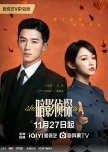
Watching Shadow Detective from start to finish was an engaging experience that I genuinely enjoyed. What stood out the most was the drama’s focus on well developed characters and their evolving relationships, which kept me emotionally invested across all 24 episodes.Detective Guan Cen (Wang Xingyue) and Lu Yizhen (Wu Jiayi) are central to the story, and their chemistry and mutual respect drive much of the series’ appeal. I appreciated how Lu Yizhen’s curiosity and intelligence as a young woman aspiring to be a police officer are portrayed with nuance, showing her growth from a student fascinated by detective novels to a determined investigator confronting real dangers. Guan Cen’s steady, strategic nature complements her impulsive curiosity, creating a dynamic partnership that feels both realistic and inspiring.
The series excels in balancing tension with character driven moments. Emotional depth is given to secondary characters as well, making the investigative world feel layered rather than one dimensional. The historical Shanghai setting adds a distinct atmosphere, enhancing the stakes of each case without overwhelming the viewer with exposition.
One moment that particularly resonated without spoiling too much is a confrontation between Lu Yizhen and the antagonist tied to a decades old case. The scene highlights her courage and cleverness, while also exploring the emotional toll that justice seeking can take. These moments of tension and moral complexity make the drama more than just a procedural; it’s a story about resilience, ethics, and growth.
If I had to critique, a few minor subplots could have benefited from more development, but they never detracted significantly from the overall experience.
In summary:
Shadow Detective is a compelling, character focused drama that beautifully balances suspense, emotion, and historical depth. Thoughtfully paced and rich with emotional insight, it delivers a satisfying and meaningful viewing experience. I rate it a full 10/10, and highly recommend it to anyone who enjoys strong storytelling and memorable, well developed characters.
In short:
A gripping, character driven mystery with depth, heart, and standout performances absolutely worth watching.
Was this review helpful to you?
This review may contain spoilers
An Unforgettable Journey Through Mystery, Integrity, and Brotherhood
To find a television series that maintains its soul, its quality, and its emotional resonance over the span of four seasons is a rare feat in any era of storytelling. Yet, Strange Tales of Tang Dynasty (and its latest chapter, Strange Chronicles of Tang) has achieved exactly that. Since its debut in 2022, this saga has grown from a compelling mystery drama into a profound exploration of human nature, justice, and an unbreakable bond between two men who represent the very best of the Tang Dynasty. This is not merely a collection of detective stories; it is a sprawling, 10/10 masterpiece that captures the heart and never lets go.The Foundation: A Partnership for the Ages
At the core of why this series is a "must-watch" lies the evolution of Lu Lingfeng and Su Wuming. When we first met them in Season 1, they were archetypes of opposing forces: Lu, the disciplined, high ranking warrior of the Grand Court of Justice, and Su, the eccentric, brilliant registrar who favors the mind over the blade. However, as the series progressed through the western regions in Season 2 and back to the capital in Season 3, these archetypes dissolved into deeply layered, flawed, and heroic human beings.
The brilliance of their dynamic is that they do not just "solve cases" they complete one another. Lu Lingfeng’s journey is particularly moving. Watching him grow from a man defined by his status and martial prowess into a defender of the people who understands the weight of mercy has been one of the most rewarding character arcs in recent memory. Su Wuming, the disciple of the legendary Di Renjie, provides the intellectual anchor. His wit isn't just a plot device; it is a shield against the darkness. Their transition from a cautious alliance to an "unwavering brotherhood" is the emotional glue that makes every high-stakes moment in the later seasons feel earned and deeply personal.
The Aesthetic: The "Strange" and the Beautiful
What sets this series apart visually and narratively is its masterful blending of the supernatural with the logical. The "strange" in the title refers to the bizarre, often terrifying occurrences that plague the empire from shadow demons to impossible illusions. Yet, the writing consistently respects the audience’s intelligence. It uses the "supernatural" as a mirror for human frailty, greed, and trauma.
The production values, which have only scaled upward from Season 1 to the current Season 4, Strange Chronicles of Tang, are breathtaking. The Tang Dynasty is rendered with a tactile, lived in quality. The costumes are not just beautiful; they reflect the rank, the region, and the internal state of the characters. Whether we are in the dusty western frontier or the neon lit, dangerous alleyways of Chang’an, the cinematography creates an atmosphere where danger feels real and the "splendor" of the era feels fragile.
The Evolution: From the West to the Heart of Chang’an
As the series transitioned into its third and fourth seasons, the stakes shifted from localized mysteries to systemic threats. Season 3’s return to Chang’an was a turning point. By establishing the Sushan Inn as an intelligence hub, the show adopted a "citywide investigation model" that allowed us to see the capital not just as a setting, but as a living breathing character.
The introduction of the "golden peach" tribute and the political web surrounding it showed a maturity in the writing. It moved away from simple "monster of the week" tropes and into a sophisticated political thriller. We saw our protagonists navigate a world where the line between "law" and "justice" was often blurred. The emotional toll of these cases seeing their friends and families placed in the crosshairs of imperial power added a layer of gravity that made the 10/10 rating undeniable.
Season 4: Strange Chronicles of Tang
With the arrival of the newest chapter, Strange Chronicles of Tang, the series has reached its zenith. Chang’an remains a city of dualities: "prosperous and splendid" by day, yet "shrouded with evil and wickedness" by night. The latest season leanings into the "bizarre and dazzling," reminding us that even in an era of great light, the shadows are deepest.
What makes Season 4 so compelling is the sense of history that now follows our characters. When Lu Lingfeng draws his sword or Su Wuming begins his deduction, we aren't just watching a scene; we are watching the culmination of years of struggle, loss, and triumph. The "hidden dangers" mentioned in the latest arcs feel more potent because we are so invested in the survival of this found family. The series continues to prove that while the mysteries are the "hook," the characters are the "heart."
Why This Series Deserves Your Time
There are three specific reasons why Strange Tales of Tang Dynasty stands as a titan of the genre:
Consistency of Writing: Many shows lose their way by the third or fourth season. This series does the opposite it sharpens. The cases become more intricate, and the philosophical questions regarding justice and the "human demon" become more profound.
The Ensemble Cast: While Lu and Su are the leads, the supporting characters are never treated as background noise. Each member of the team brings a unique perspective and a necessary skill, making the "intelligence hub" feel like a genuine collective of minds and hearts.
The Moral Compass: In a landscape of cynical television, this series remains unapologetically committed to the idea that integrity matters. Even when the characters pay a "heavy price," their refusal to compromise their values is inspiring. It is a reminder that even in "the darkest of times, hope can always prevail."
A Personal Reflection
Having followed this journey from that "quiet evening" in 2022 to the current mysteries of 2025, I find myself deeply attached to this world. Every episode feels like a gift. It is rare to find a show that can make you gasp at a plot twist, cheer during a beautifully choreographed fight scene, and then move you to tears with a simple conversation about loyalty between two friends.
Strange Tales of Tang Dynasty and Strange Chronicles of Tang represent the pinnacle of historical mystery dramas. It is a series that rewards your attention, respects your emotions, and transports you to a world that feels both ancient and urgently relevant. If you are looking for a story that offers both thrilling adventures and a meaningful reflection on the human spirit, look no further.
The gates of Chang’an are open, and the mysteries are waiting. This is a 10/10 journey that you simply cannot afford to miss. From the first episode of Season 1 to the unfolding brilliance of Season 4, it has been a flawless ride. I will continue to follow Lu Lingfeng and Su Wuming wherever their sense of justice leads them, and I invite you to do the same. This is, quite simply, storytelling at its finest.
Was this review helpful to you?
This review may contain spoilers
Review of Unveil: Jadewind
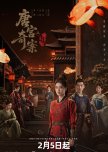
When I first encountered Unveil: Jadewind, I was immediately drawn in by its atmospheric setting and the promise of a palace mystery woven into the grandeur of the Tang dynasty. What unfolded was far more than a conventional historical drama it was a layered exploration of loyalty, grief, and resilience, anchored by compelling characters whose journeys make the series unforgettable.Character-Centered Strengths
Li Pei Yi, the Princess of Fuchang County, is the heart of the drama. Cold and sharp in her outward demeanor, she conceals a deeply empathetic nature beneath her armor. What makes her fascinating is not just her ability to fight or read people quickly, but the way she balances vulnerability with strength. Her past marked by the massacre of her family fifteen years earlier haunts her, and the series gradually reveals how this trauma shapes her decisions. Watching her confront nobles, guards, and hidden enemies while carrying the weight of her history is both inspiring and heartbreaking.
Xiao Huai Jin, deputy director of the Astronomical Bureau, is the perfect foil to Pei Yi. His meticulousness and razor-sharp memory complement her instinctive approach. Where she acts decisively, he observes patiently, piecing together threads others overlook. Their partnership is one of the drama’s greatest strengths: they are not simply allies but two halves of a whole, each compensating for the other’s weaknesses. Their dynamic is subtle, respectful, and deeply engaging, never forced into melodrama but built on trust and shared purpose.
Supporting Figures
The nobles and palace officials they encounter are not mere background characters. Each carries secrets, ambitions, and flaws that complicate the investigation. The Imperial Guard commander, in particular, embodies the tension between duty and deceit, forcing Pei Yi and Huai Jin to question who truly serves the empire. These layered portrayals prevent the drama from slipping into predictability, ensuring that every encounter feels consequential.
Narrative Depth
The drama begins with the mysterious death of Princess Ning Yuan during the Lantern Festival. While this incident sets the stage, it is only the first thread in a much larger tapestry. What follows is a series of eerie palace mysteries, each tied to the fates of women in the inner court. These stories are not isolated they gradually converge, revealing a mastermind’s plot that stretches back to Pei Yi’s own family tragedy.
What I admire most is how the series avoids rushing its revelations. Instead, it allows tension to build, giving viewers time to absorb the intricacies of palace politics and the emotional toll on its characters. The pacing is deliberate, but never slow; each episode leaves you eager for the next, with just enough clues to keep speculation alive.
Why It Resonates
Emotional Core
At its heart, Unveil: Jadewind is not just about solving crimes it is about healing wounds and reclaiming agency. Pei Yi’s journey is one of survival and defiance, and her determination to uncover the truth behind her family’s massacre adds a personal urgency to the investigation. This emotional core elevates the drama beyond a simple mystery, making it a story of resilience and justice.
Atmosphere and Setting
The Tang palace is depicted with both grandeur and menace. Lantern-lit banquets, shadowed corridors, and ceremonial rituals create a backdrop that is as beautiful as it is dangerous. The contrast between celebration and secrecy underscores the drama’s themes: appearances deceive, and beneath the glittering surface lies treachery.
Balance of Mystery and Action
The series excels at balancing cerebral investigation with physical confrontation. Pei Yi’s combat skills are showcased in moments of high tension, but they never overshadow the intellectual puzzle-solving led by Huai Jin. This duality keeps the drama dynamic, appealing to viewers who enjoy both intrigue and action.
Spoiler Highlights (Engagement Without Giving Away Everything)
- The death of Princess Ning Yuan is only the beginning; her fate is tied to a larger conspiracy that implicates figures far beyond the banquet hall.
- The Imperial Guard commander’s secrets are not just personal they threaten the stability of the palace itself.
- Pei Yi’s family tragedy is not a closed chapter; the mastermind behind it continues to manipulate events, and the eventual confrontation is both shocking and cathartic.
These revelations are carefully paced, ensuring that each twist feels earned rather than contrived.
Why I Loved It
I rate Unveil: Jadewind a 10/10 because it achieves what few dramas manage: it combines historical richness with emotional depth, mystery with humanity. The characters are not archetypes but living, breathing individuals whose choices carry weight. The writing respects the intelligence of its audience, offering clues without spoon-feeding answers.
Most importantly, the drama lingers. Long after an episode ends, I found myself reflecting on Pei Yi’s resilience, Huai Jin’s quiet brilliance, and the haunting atmosphere of the Tang palace. It is rare for a series to balance suspense, character development, and emotional resonance so seamlessly, and Unveil: Jadewind does so with elegance.
Final Thoughts
Unveil: Jadewind is more than a palace mystery it is a meditation on truth, power, and survival. By centering its narrative on complex, resilient characters, it transforms intrigue into something deeply human. For viewers who appreciate character-driven storytelling, historical depth, and mysteries that unfold with precision, this drama is a must-watch.
It is not simply a series to be consumed; it is an experience to be savored, one that rewards patience and attention with revelations that are both shocking and profoundly moving.
Was this review helpful to you?
This review may contain spoilers
A Masterpiece of Medical Mystery: A Comprehensive Review of Treasure at Dawn
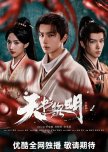
IntroductionFinding a show that successfully juggles medical intrigue, suspenseful mystery, and rich character arcs is a rarity in the world of historical dramas. Yet, Treasure at Dawn (also known as Tian Shu Li Ming) does exactly that. After following Hua Fu Sheng, Wen Jue, and Gu Tian on their journey. It deftly combines the allure of ancient legends with the grounded, gritty reality of medical practice. For those seeking a narrative that respects the intelligence of its audience while delivering heart pounding suspense, this show is a mandatory watch.
The premise attracts immediate attention: a brilliant but socially inept doctor, a noblewoman with the power to shield him, and a street smart performer with hidden depths. Together, they form an investigative trio that rivals the best in the genre. This review will delve deep into the characters, the plot intricacies, and the production quality that justifies a perfect 10/10 rating.
The Enigmatic "Madman": Hua Fu Sheng
The heart of Treasure at Dawn beats within the chest of Hua Fu Sheng. Played with remarkable nuance, Hua Fu Sheng is not your typical dashing hero. He is defined by his obsession medicine. The scriptwriters made a bold choice to portray him as "ignorant of the world." This does not mean he is unintelligent; rather, his genius is so focused on the human body and pathology that he lacks common social graces.
What makes him a compelling protagonist is the duality of his reputation. To the common people, he is a savior; to the establishment, he is a threat. The drama does not shy away from the darker aspects of his practice. His methods are unconventional, often bordering on what the traditional world considers "poisonous" or heretical. There is a palpable tension in every scene where he treats a patient, as the viewer is left wondering if his risky gambits will pay off.
Li Hongyi’s performance here is a career high. He sheds the "cold idol" persona often seen in C-dramas to embody a character who is frantic, intense, and deeply misunderstood. The look in his eyes when he encounters a new disease is not fear, but excitement. This characterization drives the narrative forward because his motivation isn't fame or justice in the abstract sense it is the pursuit of medical truth, regardless of the cost.
The Iron Triangle: Chemistry and Dynamics
A mystery drama is only as good as its investigative team, and Treasure at Dawn excels here. The dynamic between Hua Fu Sheng, Wen Jue, and Gu Tian is the engine of the show.
Wen Jue, the daughter of the Liangzhou City Lord, serves as the perfect foil to Hua Fu Sheng. Where he is chaotic and reckless, she is composed and politically astute. Su Xiaotong brings a quiet strength to the role. She is not merely a damsel or a romantic interest; she is the shield. The narrative choice to have her use the City Lord’s mansion to protect Hua Fu Sheng’s clinic is a brilliant plot device. It establishes immediate stakes: she is risking her family's reputation for him. Her belief in his innocence regarding the "hundred doctors" murder case grounds the story emotionally.
Then there is Gu Tian, the successor of the "hundred operas." Yu Chengen plays this role with an infectious energy. Initially appearing as the comic relief a man of "eloquent tongue" who can talk his way out of anything he quickly proves to be the eyes and ears of the group. His background in the opera and arts gives him access to the lower rungs of society and the gossip channels that Wen Jue and Hua Fu Sheng cannot reach. Furthermore, his skills in performance and acrobatics translate surprisingly well to combat and evasion, making him a formidable ally physically as well as verbally.
The interactions between these three are organic. They bicker, they doubt each other, but they ultimately coalesce into a unit where each member covers the others' weaknesses. This "found family" aspect is written with such warmth that you find yourself rooting for their friendship as much as the resolution of the mystery.
The Mystery: The Book from Heaven and the Hundred Doctors
The central mystery of the show is gripping from the first episode. The inciting incident Hua Fu Sheng being mistaken for a murderer responsible for the deaths of a hundred doctors is a hook that demands attention. The stakes are personal from the start.
The script weaves a complex web around the "Book from Heaven." In many dramas, a MacGuffin like this is just a magical object. However, Treasure at Dawn treats the Book from Heaven as a piece of medical or scientific history that has been mythologized. The letter left by Hua Fu Sheng’s master serves as a treasure map, not to gold, but to forbidden knowledge.
Minor Spoilers Ahead:
One of the most engaging aspects of the early plot is how the investigation in Liangzhou unfolds. When the trio arrives, they don't just find clues; they find a city undercurrent with fear. The "strange things" mentioned in the synopsis are not just random jump scares. We see instances where patients exhibit symptoms that defy traditional medical logic symptoms that mimic hauntings or curses but are actually biological.
For example, the way Hua Fu Sheng deciphers the "curse" plaguing the poor districts of Liangzhou is a highlight. While the townsfolk scream of ghosts, he looks at water sources, food supplies, and insect bites. The show brilliantly juxtaposes superstition against science. The "Book from Heaven" seems to be the key to these biological anomalies. The revelation that the "deaths of a hundred doctors" might be a silencing campaign rather than the work of a serial killer adds a layer of political conspiracy that elevates the story above a simple whodunit. The shadows in Liangzhou are long, and the antagonist forces are intelligent, often using the city's own rumors against the protagonists.
Production Value and Atmosphere
Visually, Treasure at Dawn is stunning. The setting of Liangzhou is rendered with a distinct color palette dusty golds and deep shadows that reflect the desert-adjacent location. The cinematography emphasizes the isolation of the city and the claustrophobia of the conspiracy.
The medical scenes are handled with a surprising amount of detail. The props department deserves praise for the acupuncture sets, the herbal concoctions, and the gritty realism of the clinic. It feels like a lived-in world. The costume design also tells a story: Hua Fu Sheng’s robes are often practical and slightly disheveled, contrasting with Wen Jue’s structured, elegant attire, visually representing the order she tries to bring to his chaos.
Why I Love It
The reason I give this drama a 10/10 is that it respects the viewer's time. The pacing is tight. There are no "filler" episodes where characters wander aimlessly. Every conversation advances either the character development or the mystery of the Book from Heaven.
I particularly appreciated the subversion of the romance trope. While there is chemistry between the leads, the romance does not derail the plot. The focus remains on survival and the pursuit of truth. The writers understand that in a life or death mystery, romance is a slow burn that happens in the quiet moments between chaos, not the main focus.
Furthermore, the moral ambiguity of Hua Fu Sheng is refreshing. He is not a "nice" doctor. He is an effective one. He often makes decisions that seem cold to the observer but are medically necessary. Watching Wen Jue and Gu Tian come to understand and accept his morality is one of the most rewarding emotional arcs of the series.
Conclusion
Treasure at Dawn is a triumph. It successfully blends the excitement of an adventure serial with the intellectual satisfaction of a medical procedural. The acting is top-tier, the mystery is genuinely puzzling, and the world-building is immersive.
If you are looking for a drama that will keep you guessing until the very end, while simultaneously making you fall in love with a ragtag team of investigators, this is the show for you. The journey to uncover the "Book from Heaven" is fraught with danger, but for the viewer, it is a journey of pure delight. Do not miss the chance to watch Hua Fu Sheng, Wen Jue, and Gu Tian unravel the secrets of Liangzhou. It is, without a doubt, a masterpiece of the genre. I HIGHLY RECOMMEND it.
Was this review helpful to you?

This review may contain spoilers
Pursuit of Jade (2026) — Review
After completing all 40 episodes of Pursuit of Jade, I can confidently say that this drama has become one of my favorite C-dramas. While I understand that opinions about this series may vary and others may rate it lower, my experience watching it from beginning to end was genuinely meaningful and memorable. I would also definitely recommend others to watch it and give it a chance, especially if you enjoy character driven historical dramas.What stayed with me the most is how the drama remained deeply character focused throughout its entire run. Even as the story expanded into themes of war, revenge, and political conflict, it never lost sight of its emotional core. The narrative is not driven by spectacle alone, but by the personal journeys of its characters particularly Fan Chang Yu and Xie Zheng.
Fan Chang Yu’s character is one of the strongest aspects of the drama for me. Her growth feels natural and well earned, shaped by her background and the circumstances she faces. She starts as someone grounded in survival, carrying the practicality of her life as a butcher’s daughter, and gradually evolves into someone who takes control of her own fate in a much larger world. What I appreciate most is that her strength is not exaggerated. She remains consistent to who she is, even as her responsibilities grow heavier.
Her presence in the later parts of the story, especially as the stakes rise, left a strong impression on me. There is something powerful about how she carries her past with her, rather than leaving it behind. It makes her journey feel continuous and authentic, and it reinforces the idea that her identity is not defined by status, but by her resilience and choices.
Xie Zheng, on the other hand, offers a more restrained but equally compelling arc. His character is shaped by loss, responsibility, and a long standing desire to uncover the truth. What I found engaging about him is the way his emotional layers are revealed over time. He is not immediately expressive, but his actions consistently show his depth especially in the way he protects, trusts, and eventually stands alongside Fan Chang Yu.
Their relationship is, without a doubt, the heart of the drama. What begins as a marriage of convenience slowly develops into something sincere and deeply rooted in mutual understanding. I appreciated that their bond did not rely on exaggerated romantic moments. Instead, it was built through shared struggles, quiet support, and the gradual development of trust.
There are subtle scenes throughout the drama that highlight this progression moments where they choose to rely on each other, even when circumstances make it difficult. These moments made their relationship feel real to me. By the time the story reaches its later stages, their partnership feels solid and equal, which made their journey even more satisfying to watch.
As the story moves toward its final arc, the scale of the narrative becomes larger, but it still feels connected to the characters’ personal stakes. The unfolding of hidden truths and past events adds emotional weight rather than just serving as plot twists. I found these revelations impactful because they tie directly into the characters’ motivations and the paths they have taken.
Without going into major spoilers, the ending felt fitting for the kind of story the drama was trying to tell. It focuses more on emotional resolution than shock value, which I personally appreciated. It gave me a sense of closure while still allowing me to reflect on everything the characters had gone through.
In terms of pacing, I found the drama consistent overall. There are slower moments, but they did not feel unnecessary to me. Instead, they allowed the story to breathe and gave more depth to the characters and their relationships. These quieter scenes are part of what made the emotional moments more effective later on.
Visually, the drama maintains a strong atmosphere from start to finish. The cinematography and setting complement the tone of the story, especially during more intense or emotional scenes. While it may not be perfect in every technical aspect, it never distracted me from the overall experience.
What ultimately makes Pursuit of Jade stand out to me is its sincerity. It tells a story about two people navigating a complicated world while slowly becoming each other’s support system. Their journey is not just about love, but also about growth, trust, and standing firm in the face of uncertainty.
Even though I know that not everyone may feel the same way about this drama, it has earned a special place for me. It is the kind of story that stays with you, not because it is flawless, but because of how it made you feel while watching it. Because of that, I genuinely encourage others to watch it and experience the story for themselves.
Overall, I would still rate Pursuit of Jade a 10/10. This is now one of my favorite C-dramas, and completing it only strengthened the impression it left on me. This review reflects my personal experience after finishing the series, and I can say that it was a journey I truly enjoyed from beginning to end.
Was this review helpful to you?
This review may contain spoilers
The Eternal Fragrance (2026) — Review
Watching The Eternal Fragrance felt like stepping into a richly layered xianxia-wuxia world that balances grand mythology with intimate character journeys. As someone who appreciates stories where emotional depth drives the plot rather than the other way around, this drama delivered in ways I didn’t fully expect. It’s an adaptation of Shi Si Lang’s novel Qian Xiang Yin, and while it carries the familiar tropes of cultivation academies, ancient secrets, and realm-spanning conflicts, what stayed with me most were the central characters and how their growth, vulnerabilities, and relationship anchored the entire narrative.Jiang Li Fei / Xiao Bang Chui, portrayed by Ju Jing Yi, is the heart of the story. From her introduction as an orphan from Qingqiu seeking belonging at Chufeng Academy, she carries a quiet determination that feels authentic rather than performative. Ju Jing Yi brings a natural warmth and subtle expressiveness to the role that makes Bang Chui’s early scenes marked by uncertainty and a longing for connection particularly relatable. What I loved most is how the character evolves without losing her core essence. Her transformation into Jiang Li Fei is not just a power-up moment; it’s a profound shift that forces her to grapple with identity, destiny, and the weight of hidden lineages. Ju’s performance shines in these quieter, introspective beats, where you see the internal conflict play across her face. She’s smart, resilient, and occasionally witty in a way that lightens heavier sequences without undermining the seriousness of her arc. By the later episodes, watching her confront societal rejection and embrace her extraordinary abilities felt earned, not rushed.
Opposite her, Song Wei Long’s Lei Xiu Yuan / Ye Sha is the steadfast presence every compelling xianxia-wuxia story needs. His character starts with a clear, personal motivation saving his gravely ill elder brother which grounds him immediately. There’s a quiet intensity to Lei Xiu Yuan that Song Wei Long captures beautifully; he’s not the typical brooding anti-hero shouting about revenge. Instead, he’s loyal, protective, and deeply burdened, yet capable of genuine warmth in his interactions with Bang Chui. Their friendship-to-love progression at the academy is one of the drama’s strongest elements. The shared trials, late-night conversations, and mutual support feel organic. As the story progresses and revelations about fates and powers emerge, Lei Xiu Yuan’s unwavering support becomes a pillar for Bang Chui. Their bond deepens into something profound, especially in the sequences where they navigate danger together. One aspect I particularly appreciated was how the drama allows them time as a couple later on, giving their relationship real emotional weight before the final arcs intensify. It makes the stakes feel personal rather than abstract.
The supporting cast adds meaningful texture. Characters like those in their academy circle start as friends but evolve in ways that reflect the larger conflicts between immortals, demons, and other forces. The drama handles side arcs with varying success some provide welcome levity or additional emotional layers, while others serve more as world-building tools. What impressed me was how even secondary figures contribute to the themes of belonging, sacrifice, and balance across the three realms. The mythical elements, including the Jianmu tree and its powerful fruit, set up high-stakes conflicts without overshadowing the personal stories.
Visually, the production is solid for the genre. The academy settings have a serene beauty that contrasts nicely with the more chaotic battle sequences and realm-shifting moments. Costume design and cinematography enhance the mystical atmosphere, particularly in scenes highlighting Jiang Li Fei’s transformation and the ethereal qualities tied to her origins. The action choreography is competent, though some larger battles lean more on spectacle than innovation. Pacing-wise, the early episodes build the world and relationships effectively, while the middle stretches deepen character motivations. The final arcs bring everything together with satisfying resolutions for the leads and several supporting players, including a hard-won happy ending that respects the sacrifices made along the way.
What I loved most about The Eternal Fragrance is its character focus amid the epic scope. It’s easy for xianxia-wuxia dramas to get lost in power escalations or convoluted prophecies, but here the emotional core remains front and center. Bang Chui’s journey from seeking strength and belonging to accepting a greater destiny is compelling because it’s tied to her relationships and self-discovery. Lei Xiu Yuan’s loyalty isn’t blind; it’s tested and deepened through shared perils and truths uncovered. Their partnership feels like a true alliance of equals by the end, which is refreshing. The drama also explores themes of fate versus choice, societal prejudice against mysterious origins, and the cost of restoring balance ideas that resonate because they’re embodied in the characters’ struggles.
Of course, it’s not flawless. Some plot revelations land with less impact than they could, and certain editing choices make transitions feel abrupt at times. The handling of past-life memories and major identity shifts occasionally lacks the dramatic weight one might expect, coming across almost matter-of-factly. Pacing in the later episodes can feel compressed given the scale of the conflicts. Yet these issues didn’t detract significantly from my overall enjoyment. The performances, particularly from the leads, carry the story through any rough patches.
If you enjoy character-driven xianxia-wuxia with a strong romantic core, meaningful growth, and a blend of academy life, mythical intrigue, and realm-spanning battles, The Eternal Fragrance is worth diving into. It’s the kind of drama where you become invested in the people first, and the grand destiny follows naturally from their choices. Ju Jing Yi and Song Wei Long’s chemistry, combined with the emotional honesty of their characters’ arcs, makes the journey memorable. I finished it feeling satisfied by the balance restored and the bonds that endured. It’s a story that lingers not because of flashy powers, but because of the hearts at its center.
Was this review helpful to you?


