

 2
2 1
1 1
1


This review may contain spoilers
Between Asphalt and Stars: The Enduring Power of Speed and Love
The landscape of modern television drama is often saturated with fleeting romances and predictable tropes, but occasionally, a series emerges that defies convention to offer a profound meditation on resilience, identity, and the indomitable nature of the human spirit. Speed and Love, adapted from the poignant web novel Shuang Gui (Double Track) by Shi Jiu Yuan, is one such masterpiece. Achieving a rare 10/10 rating, this drama is not merely a story about racing or romance; it is a sprawling, emotional epic that explores the delicate threads connecting two souls across different worlds and decades.A Masterclass in Character Evolution: Jiang Mu and Jin Zhao
The heart of Speed and Love beats within the complex relationship between Jiang Mu and Jin Zhao. What makes this drama exceptionally compelling is the stark contrast in their character arcs and how they eventually converge.
Jiang Mu begins as a character we think we know the sheltered, pampered younger sister. However, the narrative masterfully deconstructs this archetype. Her decision to fly to Thailand alone to find her adopted brother is the first indication of her hidden steel. Watching her navigate a world of grit, street racing, and boxing environments that are the antithesis of her upbringing is incredibly rewarding. Mu’s strength lies in her empathy. She doesn’t just observe Jin Zhao’s dangerous life; she assimilates into it. Her role as his "navigator" is the perfect metaphor for their relationship: she provides the direction and the moral compass for a man who has lost his way in the "quagmire" of a hard life.
Jin Zhao, portrayed with a rugged, haunting intensity, is perhaps one of the most well realized male leads in recent years. The transition from the "elegant boy" of Mu’s childhood to a man hardened by the streets of Thailand is heartbreaking yet mesmerizing. His life is one of survival, defined by the "speed" of racing and the violence of the ring. Yet, underneath the scars and the cynicism is a man who is profoundly lonely. The "adoption" reveal adds a layer of tragic complexity to his bond with Mu they are bound by history and family, yet separated by the reality of their different paths.
The Symbolic Power of "Speed" and "Love"
The title itself serves as a dualism for the characters' lives. "Speed" represents Jin Zhao’s world the adrenaline, the danger, and the desperate need to outrun his past and his circumstances. "Love," specifically the empathetic and persistent love of Jiang Mu, acts as the grounding force.
The racing sequences are not just for spectacle; they are visceral representations of Jin Zhao’s internal chaos. When Mu becomes his co pilot, the drama shifts from a story of individual survival to one of partnership. The synchronization required in the cockpit mirrors their emotional synchronization. She isn’t just telling him which way to turn on the track; she is telling him that there is a way out of the darkness.
Deep Dive and Spoilers: The Weight of Sacrifice
[Spoiler Warning: The following section discusses pivotal plot developments]
The emotional core of the series is anchored by the mid-series "accident" that separates them once again. This is where the drama truly earns its 10/10 rating. Most shows would use a separation as a mere plot device, but here, it serves as a crucible for Jiang Mu’s character. Taking on the responsibility of the family and pursuing their shared aerospace dream in Zhao’s absence shows a level of maturity rarely seen in "sister" roles.
The aerospace dream is a beautiful narrative thread. It represents the ultimate "upward" escape from the dirt of the boxing ring and the asphalt of the racetrack to the infinite possibilities of the stars. When they finally reunite years later in Nanjing, they are no longer the children who were separated by divorce, nor the desperate youths in Thailand. They are adults who have been forged by fire.
The reunion in Nanjing is handled with exquisite restraint. The chemistry between the leads has evolved from a frantic, protective bond into a deep, settled soul connection. Seeing them fulfill that aerospace dream together is not just a "happy ending"; it feels like a hard won victory over a fate that tried repeatedly to pull them apart.
Visual Storytelling and Atmospheric Contrast
The production value of Speed and Love deserves significant praise. The cinematography expertly distinguishes between the two primary settings. The Thailand segments are shot with a raw, warm, and often kinetic energy that captures the "wild thrills" of Jin Zhao’s life. The streets feel alive, dusty, and dangerous.
In contrast, the later segments in China, particularly Nanjing, carry a cooler, more structured, and professional aesthetic that aligns with their growth and their focus on aerospace engineering. This visual transition helps the audience feel the passage of time and the shift in the characters' priorities without the need for excessive exposition.
Why This Drama is a 10/10
The reason Speed and Love stands out is its refusal to take the easy way out. It tackles the complexities of an "adopted sibling" relationship with grace, focusing on the soul bond rather than the taboo. It treats Jiang Mu’s intelligence and "splendid" studies as equal in importance to Jin Zhao’s physical prowess.
The drama asks the question: Can you ever truly go home again? The answer it provides is nuanced. You can’t go back to the way things were, but you can build something new and even more beautiful from the ruins of the past.
For viewers who appreciate a story that balances high stakes action with quiet, character driven moments, this series is a revelation. It is a story of how love not just romantic, but the love that encompasses loyalty and shared dreams can act as a navigator through the most treacherous terrains of life.
Final Thoughts
Speed and Love is a rare gem that honors its source material while elevating it through stunning performances and thoughtful direction. It is a journey of two people who were never meant to cross paths again but who fought against the "double tracks" of destiny to find their way back to one another. Whether you are a fan of the original novel Shuang Gui or a newcomer to the story, this drama will leave an indelible mark on your heart. It is a professional, polished, and profoundly moving piece of television that proves that no matter how fast you run, love is the only thing that can truly bring you home.
Was this review helpful to you?
This review may contain spoilers
The Vendetta of An: A Dark Wuxia Masterpiece of Calculated Revenge
Navigating the intricate world of short form web dramas, one seldom encounters a production that balances the sharp edge of a revenge thriller with the rich, atmospheric depth of a traditional historical epic as effectively as The Vendetta of An. Streaming on Youku, this drama manages to weave a dense tapestry of political intrigue, personal trauma, and shadow warfare that leaves a lasting impression. While many dramas in this genre focus on the spectacle of martial arts, The Vendetta of An prioritizes the psychological weight of its characters, making it a standout masterpiece of tension and calculated revenge.The Architect of Shadows: Xie Huai’an
At the center of this storm is Xie Huai’an, a character whose brilliance is matched only by his restraint. Portrayed with a chillingly calm demeanor, Xie is not your typical hot blooded protagonist. He is a man who has lived in the cold for a decade, meticulously carving out a path to the heart of power in Chang'an. What I find most compelling about Xie Huai’an is his duality. To the world and the usurper Xiao Wu Yang, he is a loyal, "brilliant official" from Huainan a useful tool for administrative stability. To the audience, however, he is a predator masquerading as prey.
His motivation is deeply personal: the death of his father at the hands of Yan Feng Shan. This isn't just a story about justice; it’s a story about the corrosive nature of a decade long vendetta. The drama excels in showing how Xie Huai’an uses his intellect as his primary weapon. While others draw swords, Xie draws maps of human psychology. His ability to manipulate the political board while keeping his true emotions hidden under a veneer of professional politeness is what makes his character so magnetic. You don’t just watch him; you find yourself rooting for his cold, calculated brilliance.
The Ghost of the Wude Reign: Yan Feng Shan
Every great protagonist needs an equally formidable foil, and Yan Feng Shan, leader of the Huben Dark Guards, serves this role with terrifying efficiency. The Huben are presented not just as soldiers, but as a spectral force that vanished along with the old empire. Yan Feng Shan represents the "old guard" in the worst possible way he is the lingering shadow of a fallen regime, supposedly using the dethroned emperor for his own ends.
The dynamic between Xie and Yan is a masterclass in tension. Yan Feng Shan is a man of the shadows, a survivor of a bloody transition of power who understands that in Chang'an, information is more lethal than steel. The drama cleverly avoids making him a one dimensional villain. Instead, he is a pragmatist. His previous actions, specifically the killing of Xie’s father, are framed not as random acts of cruelty, but as the brutal necessities of a man maintaining a dark order. This makes the eventual confrontation between them feel earned and heavy with the weight of history.
The Alliance of the Dispossessed
One of the highlights of The Vendetta of An is the formation of the clandestine alliance. The drama brilliantly utilizes the "dethroned emperor" as a narrative pivot. Typically, a fallen ruler is a figure of pity or a mere plot device, but here, the emperor becomes a pawn that Xie Huai’an expertly maneuvers. This reversal of power where the highest ranking man in the land becomes the instrument of a provincial official’s revenge is a fascinating subversion of wuxia tropes.
The supporting cast, specifically General Gu Yu and the swordsman Ye Zheng, add much needed texture to the world. General Gu Yu brings a sense of grounded military stoicism, representing the honor that was lost during Xiao Wu Yang’s seizure of power. On the other hand, Ye Zheng provides the visceral, "boots on the ground" perspective of a swordsman caught in the gears of high level conspiracy. Each member of this alliance feels like they have skin in the game; they aren't just following a hero, they are reclaiming a piece of their own stolen lives.
Atmospheric Storytelling and Production
Visually, the drama is a treat for fans of the "Noir Wuxia" aesthetic. The cinematography leans heavily into the contrast between the opulence of the court and the grimy, rain slicked alleys where the Huben Dark Guards lurk. There is a sense of claustrophobia in the way Chang'an is filmed, emphasizing that even in a city of millions, there is nowhere to hide from one’s past.
The pacing is relentless. Because it is a shorter series, there is no room for filler. Every dialogue heavy scene in the official’s chambers is balanced by the kinetic energy of the "shadowy war" being waged in the streets. I particularly appreciated the sound design the metallic ring of a blade being unsheathed or the quiet rustle of a scroll carries significant weight, heightening the "cloak and dagger" atmosphere.
Themes of Loyalty and the Cost of Revenge
What I love most about The Vendetta of An is its refusal to offer easy answers. Is Xie Huai’an a hero for seeking justice for his father, or is he a villain for using a dethroned emperor and the stability of the empire to achieve it? The drama explores the grey areas of loyalty. Xiao Wu Yang, the feudal lord, thinks he has bought Xie’s loyalty, but Xie’s true allegiance is to a ghost. This theme of "false faces" permeates every episode, keeping the audience on edge.
The "vendetta" of the title is a double edged sword. As we watch Xie Huai’an get closer to Yan Feng Shan, we see the toll it takes on him. The ten years he spent preparing were ten years he didn't truly live. This adds a layer of tragedy to the drama that elevates it above a simple action flick. It is a meditation on what we lose when we refuse to let go of the past.
Final Verdict: A True Gem on Youku
The Vendetta of An is a sophisticated, character driven drama that punches well above its weight class. It treats its audience with respect, offering a complex plot that requires attention and rewards it with deep emotional payoffs. The performances are understated yet powerful, and the direction is sharp and purposeful.
For those who enjoy tales of secret societies, political maneuvering, and the long game of revenge, this is a must watch. It captures the essence of the "Dark Guard" subgenre perfectly, blending historical "what-ifs" with the timeless appeal of a man standing against the odds to right a personal wrong.
(Spoiler Warning: Character Trajectory)
To speak briefly on the resolution of Xie’s arc: the drama concludes with a poignant reminder that while the Huben might be eliminated and the father avenged, the landscape of power in Chang'an is forever changed. Xie Huai’an’s journey ends not with a triumphant roar, but with the quiet realization that his mission has redefined the empire’s fate in ways he never originally intended. He becomes the very architect of the new world he once sought only to disrupt.
In conclusion, The Vendetta of An is a hauntingly beautiful exploration of the shadows that haunt the halls of power. It is a story of how one man’s memory can become a nation’s destiny. If you are looking for a drama that combines intellectual depth with the thrill of a wuxia thriller, look no further than this Youku masterpiece.
Was this review helpful to you?
This review may contain spoilers
Ashes To Crown (2026) — Review
From the very first episode, (Ashes to Crown) establishes itself as a compelling historical drama centered on agency, resilience, and the intricate dance of power. What lingers most powerfully, however, is not just the sweeping political landscape but the deeply realized characters who drive every twist and revelation. As someone who dove into this series with high expectations from its source material, I found myself completely invested in the journeys of its leads and the supporting ensemble. This is a drama that rewards careful viewing, particularly through its nuanced character work.At the heart of the story is Chu Zhao, portrayed with remarkable intensity and precision by Chen Duling. In her second life, Chu Zhao emerges as a force of calculated determination. No longer the trusting young woman from her previous existence who paid dearly for misplaced faith, she navigates the treacherous court with a sharpness that is both admirable and chilling. Duling’s performance captures the layers beneath Chu Zhao’s composed exterior the lingering trauma of betrayal, the fierce protectiveness toward her family and nation, and the quiet moments of vulnerability that humanize her ambition. She is clever, bold, and unafraid to make morally complex decisions when the stakes demand it. Watching her orchestrate moves against those who once manipulated her fate feels cathartic, yet the actress ensures we never lose sight of the personal cost. Chu Zhao does not simply react; she anticipates, adapts, and reshapes the board. Her growth from a pawn refusing her role to a central player in the realm’s defense is portrayed with such authenticity that it becomes the emotional anchor of the series.
What makes Chu Zhao particularly engaging is how the drama allows her intelligence and agency to shine without softening her edges for broader appeal. She gets her hands dirty, forms strategic alliances, and bears the weight of leadership in a world that would prefer women in more passive positions. Duling brings a commanding presence to these scenes, whether in tense court confrontations or quieter moments of reflection. Her portrayal elevates Chu Zhao into one of the most memorable female leads in recent historical dramas a woman who seizes destiny rather than waiting for it to unfold.
Equally compelling is Xie Yanlai, brought to life by Zhou Yiran. Starting as an illegitimate son constrained by his family’s expectations and societal barriers, Xie Yanlai’s arc is one of quiet transformation. Yiran excels at conveying the character’s initial restraint and underlying strength. His scenes with Chu Zhao crackle with tension and evolving trust, revealing a man who finds purpose and light through their partnership. From his beginnings in the Imperial Guard, his steady rise is earned through loyalty, skill, and an unyielding sense of justice. The drama thoughtfully explores his internal conflicts the pull between personal ambition and broader duty, the scars of his past, and the way Chu Zhao’s influence helps him transcend limitations others imposed. Yiran’s subtle expressions and physicality make Xie Yanlai’s growth deeply satisfying; he is not an instant hero but a man who builds his path with determination and integrity.
The chemistry between Chen Duling and Zhou Yiran is electric and multifaceted. Their interactions blend intellectual sparring, mutual respect, and a budding emotional connection that feels organic within the high stakes environment. Rather than relying on overt romance, the series lets their bond develop through shared purpose and vulnerability. Moments where Xie Yanlai opens up or stands resolutely beside Chu Zhao highlight a partnership built on equality and strength something that adds genuine warmth amid the political intrigue. Their dynamic is one of the drama’s greatest strengths, offering respite and motivation without overshadowing the larger narrative.
The supporting cast further enriches the character tapestry. Characters like Xiao Xun embody calculated menace, serving as formidable foils that test the protagonists’ resolve. His schemes force Chu Zhao and Xie Yanlai to confront difficult choices, adding layers of moral complexity. The drama excels at giving these figures distinct motivations and arcs, avoiding one dimensional portrayals. Even secondary figures who aid or oppose the leads feel purposeful, contributing to the sense of a living, breathing court where every alliance carries weight.
One aspect I particularly appreciate is how the series balances character development with the broader themes of loyalty, redemption, and national defense. Chu Zhao’s experiences in her past life inform her every decision, creating opportunities for reflective storytelling that deepen our understanding of her drive. Similarly, Xie Yanlai’s journey from obscurity to general defending the borders is intertwined with personal growth and the evolving relationship with Chu Zhao. These threads make the political maneuvers feel personal and consequential. The action sequences, especially those involving military strategy and battlefield presence, showcase the characters’ growth in tangible ways Chu Zhao’s strategic mind and Xie Yanlai’s prowess complement each other beautifully.
Visually and production wise, the drama maintains a high standard that supports the character focused narrative. Costumes and settings evoke the era with elegance and authenticity, allowing performances to take center stage. The pacing keeps the intrigue engaging across its episodes, with enough revelations and shifts in power to maintain momentum while allowing space for character moments to breathe.
In the end, (Ashes to Crown) stands out for its commitment to strong, multifaceted characters who drive a story of empowerment and partnership. Chu Zhao’s unyielding spirit and Xie Yanlai’s steadfast rise, brought to vivid life by exceptional performances, make this a deeply satisfying watch. It celebrates decisive action, the forging of meaningful bonds amid chaos, and the courage to rewrite one’s path. For anyone drawn to historical tales where individuals shape history rather than merely endure it, this drama delivers with heart, intelligence, and memorable depth. I finished it feeling enriched by the characters’ journeys and eager to revisit key moments.
While I understand that opinions on this series may vary and that not everyone will rate it as highly as I do, my experience watching it from beginning to end was genuinely meaningful and memorable. I would definitely recommend giving it a chance, especially if you enjoy character driven historical dramas with strong leads who actively shape their own paths.
Was this review helpful to you?
This review may contain spoilers
"Fight for Love": A Journey I Won't Forget (And Why You Should Consider Embarking On It, Too!)
"Fight for Love" is a drama that recently concluded for me, leaving a lasting impression. While I recognize that individual tastes vary, I wanted to share my personal experience and the reasons behind my solid 10/10 rating, hoping to encourage you to explore it and form your own opinion. I'll admit, the first half of the drama didn't fully grab me, but the final episodes truly elevated the entire experience.The ending I know it is what most people does. However, for me it the best because they traveled the world! As "Fight for Love" concluded, my feelings were a mix of satisfaction and a touch of bittersweetness. On one hand, I rejoiced in the fact that the leads ultimately achieved a happy ending, finding a way to be together despite the many obstacles they faced. The final scenes, showing them planning to travel the world and experience new adventures, was a testament to their resilience and love for one another.
One of the primary reasons "Fight for Love" resonated so deeply with me was Ding Yuxi's incredible performance. As I delve into his filmography, his portrayal in this drama stood out. He brought such depth and nuances to his character, truly bringing him to life. His impressive emotional range and effortless transitions between lightheartedness and intense drama made him a compelling figure to follow.
I also appreciated the unique dynamic between the male and female leads. While some viewers have noted a perceived lack of immediate chemistry, I personally found their connection both realistic and intriguing. The drama explores the complexities of a forbidden romance, and I felt the actors conveyed the subtle nuances of their relationship with sensitivity and grace. Their interactions, often understated, conveyed volumes through shared glances and unspoken understanding. It was a relationship that grew organically, based on mutual respect, shared values, and a connection transcending social barriers.
Beyond the central romance, "Fight for Love" offers a rich tapestry of supporting characters and storylines. The villains are compelling and complex, the friendships heartwarming and genuine. Each character contributes to the overall narrative, creating a vibrant and believable world. The noteworthy production quality, stunning costumes, breathtaking scenery, and well-choreographed action sequences further enhance the viewing experience.
The story itself is a compelling blend of romance, political intrigue, and personal growth. Exploring themes of loyalty, sacrifice, and the fight for justice, it resonated with me on a deeply personal level. While the pacing might feel slow at times, I found it allowed for a greater appreciation of the characters and their journeys. There were moments that made me laugh, cry, and left me breathless with anticipation.
Overall, "Fight for Love" is a drama I highly recommend. While it might not appeal to everyone, I believe it's a worthwhile experience for those willing to invest in its characters and stories. It's a drama that will stay with you long after the credits roll, earning a special place on my personal favorites list. So, if you're seeking a drama that will captivate your heart and mind, I encourage you to give "Fight for Love" a chance. It might just surprise you! It's a 10/10 for me, and perhaps it will be for you, too.
Was this review helpful to you?
This review may contain spoilers
A Symphony of Silver and Strategy: Why Legend of the Magnate is a Masterpiece of Historical Drama
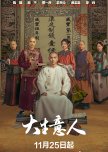
In the vast landscape of historical dramas, it is rare to find a series that perfectly balances the visceral grit of survival with the intellectual elegance of high stakes commerce. Legend of the Magnate, adapted from Zhao Zhi Yu’s celebrated novel "Da Sheng Yi Ren," is precisely that rarity. Having immersed myself in the journey of Gu Pingyuan, I can confidently assert that this drama is a ten out of ten masterpiece. It is not merely a show about making money; it is a profound exploration of destiny, resilience, and the sheer power of the human intellect when backed into a corner.From Inkstones to Abacuses: A Character Study of Gu Pingyuan
The heart of this drama’s success lies in the impeccable characterization of the protagonist, Gu Pingyuan. The narrative hook is compelling: a passionate young man from a family of small merchants who yearns to transcend his class through the imperial examinations. The tragedy of his failure, coupled with the injustice of being framed and exiled, serves as a crucible. What makes Gu Pingyuan such a fascinating character to watch is that he does not lose his identity as a scholar; rather, he weaponizes it.
In many historical dramas, the protagonist relies on martial arts or magical intervention. Here, Gu Pingyuan’s weapon is his mind. The transition from a naive student to a shrewd merchant is handled with incredible pacing. When he joins the private salt caravan to flee to Shanxi, we see the death of the boy and the birth of the magnate. The "astonishing courage" mentioned in the synopsis is brought to life vividly on screen. It is one thing to read about a character leading a caravan into treacherous swamps; it is another to watch the actor portray the nuanced mix of fear and calculated risk-taking required to survive the ancient plains.
The audience falls in love with Gu Pingyuan not because he is perfect, but because he turns his disadvantages into assets. He views the chaotic world of the Late Qing Dynasty not as a trap, but as a chessboard. His ability to maintain his composure while being regarded as a convict allows him to operate in the shadows, surprising his enemies who underestimate the "failed scholar."
The Art of Rivalry: Gu Pingyuan vs. Li Qin
A protagonist is only as good as his antagonist, and Legend of the Magnate provides a spectacular foil in Li Qin, the son of the Beijing merchant tycoon. The dynamic between these two is the engine that drives the series. Unlike standard villains who are motivated by simple greed or malice, Li Qin represents the established order. He is the Titan of industry, born into power, viewing Gu Pingyuan not just as a nuisance, but as an existential threat to the hierarchy he controls.
The drama excels in portraying their struggle as a duel of wits. The synopsis notes that Li Qin regards Gu Pingyuan as an "old enemy," and this animosity feels earned and heavy with history. Their battles are fought not on blood soaked fields, but in pawn shops, tea houses, and grain depots. The scriptwriters deserve immense praise for making logistics and supply chains feel as high stakes as a military invasion. When Gu Pingyuan moves from the pawn industry to the tea trade, and eventually to military grain and salt, it is not just business expansion it is a siege against Li Qin’s fortress.
Watching Gu Pingyuan turn defeat into victory in these dangerous situations is cathartic. There is a specific thrill in seeing him cornered by the Li family's vast resources, only to find a loophole or a psychological weakness in his opponent that flips the table. It is this intellectual cat and mouse game that keeps the viewer glued to the screen.
Teasers and Tactics: The Brilliance of the Plot
To truly appreciate the genius of this show, one must look at the specific narrative arcs without spoiling the grand finale. One of the most gripping segments involves the conspiracy of Tiangui, the overlord of Shanxi merchants. This arc serves as a masterclass in business strategy.
Spoiler Alert (Mild): The confrontation with Tiangui is a pivotal moment. Most characters would cower before such a dominant regional overlord. However, the drama portrays Gu Pingyuan’s reaction as one of almost delight he is "very happy" to solve the situation. Why? Because Gu Pingyuan realizes that Tiangui’s conspiracy relies on fear and silence. By exposing the leverage points within the salt trade and utilizing the very swamp routes that others feared, Gu Pingyuan doesn't just survive Tiangui; he dismantles the man's monopoly by changing the rules of the game. He realizes that in a corrupt system, the one who controls the flow of information controls the market. This victory is what ultimately attracts the dangerous gaze of Li Qin.
Furthermore, the subplot regarding the military grain is executed with nail biting tension. Gu Pingyuan has to navigate corrupt officials and dying soldiers, balancing morality with profit. It is here that we see the layers of the mystery unfold the conspiracy behind the murder that framed him is inextricably linked to the Li family. This revelation transforms the business rivalry into a personal vendetta, raising the stakes from financial ruin to life and death.
Atmosphere and Production
Visually, the drama captures the waning days of the Qing Dynasty with a melancholic beauty. The dust of the Shanxi plains, the claustrophobic interiors of the pawn shops, and the opulence of the Beijing merchant estates create a vivid backdrop. The cinematography emphasizes the scale of the world Gu Pingyuan is trying to conquer. The contrast between the harsh, open swamps where he begins his journey and the gilded cages of the merchant guilds highlights his social ascent.
Final Verdict
Legend of the Magnate is a triumph. It is a story that respects the intelligence of its audience. It avoids the pitfall of making the protagonist overpowered; Gu Pingyuan struggles, he bleeds, and he loses, which makes his eventual victories sweet and earned.
I love this drama because it romanticizes competence. It shows that in a turbulent era, the sharpest blade is a sharp mind. The integration of the mystery regarding his own life experience and the murder conspiracy provides a strong emotional undercurrent that runs beneath the business dealings, ensuring that we care about the characters as people, not just as businessmen.
For those interested in a serious, well written historical drama that combines the intrigue of Nirvana in Fire with the business acumen of The Merchant of Venice, this is a mandatory watch. It is a 10/10 experience that will leave you analyzing the strategies long after the credits roll. The journey of Gu Pingyuan from a prisoner in exile to a legend of industry is one of the most satisfying narrative arcs available on iQIYI. Do not miss the chance to witness this legend unfold.
Was this review helpful to you?
This review may contain spoilers
The Duel of Destiny: Why Wangquan Fugui's Awakening Earned Sword and Beloved a Perfect Score
Sword and Beloved: A Deep Dive Review – The 10/10 Triumph of CharacterFinal Verdict & Rating: 10/10 (Justified by the groundbreaking character portrayal and the transcendent first act)
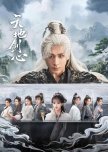
The drama Sword and Beloved (part of the Fox Spirit Matchmaker: Wangquan series) stands as a fascinating, and at times frustrating, case study in narrative execution. While it grappled with significant structural imperfections in its middle and latter sections, the drama unequivocally secured its status as a profoundly good and worthwhile viewing experience. This positive assessment is driven almost entirely by the monumental success of its central character arc—the awakening of Wangquan Fugui—and the sheer brilliance of the performance that brought him to life. The 10/10 rating is not a reflection of flawless plot mechanics, but rather an acknowledgment of the masterpiece level of character depth achieved, which, for many viewers, is the highest measure of dramatic success.
I. The Zenith of Character Arc: Wangquan Fugui's Awakening
The narrative engine of Sword and Beloved is the journey of Wangquan Fugui, a character conceived not as a person, but as an instrument. Born into the powerful Wangquan family, Fugui's existence was predetermined: to wield his family’s immense power for a singular, destructive purpose. He was raised in absolute isolation, shielded from the concepts of freedom, choice, or self-interest. He was a flawless, sentient weapon—a state of being that is inherently tragic and dramatically rich.
The Concept of the "Weaponized" Protagonist
Fugui represents the ultimate thematic confrontation: the struggle between fate and self-determination. His entire identity was a rigid construct of duty and lethal efficiency. The genius of the premise lies in establishing this foundation so firmly. The audience witnesses a soul completely detached, moving through life with the practiced, emotionless grace of a mechanism built for war. This setup intensifies the impact of the inevitable disruption.
Love as the Catalyst for Selfhood
In this drama, love is not the goal of the character, but the necessary catalyst for his birth. The relationship with Qing Tong does not serve merely as romantic entanglement; it functions as Fugui’s introduction to humanity. It is through her lens—her simple desires, her willingness to engage with the world outside the Wangquan compound—that he first perceives the possibility of an existence beyond his mandated mission. The initial act of rebellion—choosing to protect her, choosing to leave—is not an act of romance; it is the moment of his true self's awakening. He does not fight for her love; he fights because she taught him that he is worth fighting for. This powerful narrative inversion elevates the theme far above standard romantic fantasy fare.
II. Cheng Yi's Unmatched Embodiment: A Masterclass in Subtlety
The success of Fugui's arc hinges on the actor's ability to transition convincingly from the void of the weapon to the fire of the man. The consensus across all critical reception is that Cheng Yi's performance is not merely good, but a foundational pillar that carries the entire production. His portrayal deserves the highest acclaim, acting as the primary justification for the drama's definitive 10/10 achievement in acting and character study.
Physicality, Commitment, and Emotional Gradation
Cheng Yi's commitment was evident not just in the high-octane fight choreography—which critics hailed for its striking, almost dance-like quality—but in the minute details of his performance. His initial scenes conveying Fugui’s detached, almost inert demeanor, required intense internal control. This was followed by a masterful gradation as emotions slowly seeped in: a flicker of curiosity, a hesitant smile, and finally, the fierce, passionate determination to claim his own destiny.
The preparation for the blind scenes—reportedly involving three months of dedicated practice—is a testament to this commitment. The execution was noted for its striking authenticity, ensuring that even when physically impaired, the character's internal resolve and struggle remained palpably clear. This level of dedication translates directly into screen presence, cementing Fugui as one of the most compelling dramatic protagonists in recent memory.
Authenticity and the Arc’s Defining Look
The performance captures the profound loneliness of the character. Cheng Yi utilizes a potent economy of expression, making every slight shift in his gaze or posture significant. The "look" repeatedly cited in reviews—a potent blend of melancholy, intensity, and deep-seated yearning—became shorthand for the drama's entire emotional core. This authenticity allowed the audience to feel the weight of Fugui's past and the hope of his nascent future, providing the necessary emotional investment that made the early episodes resonate as an "epic" and a "solid 10/10" cinematic experience.
III. The First Arc: Pacing, Promise, and Perfect Execution (The 10/10 Segment)
The narrative segment encompassing Wangquan Fugui's liberation and his initial bond with Qing Tong (roughly the first 13 episodes) is where Sword and Beloved achieves undisputed excellence. This opening chapter functions as a perfectly honed short-form drama, tightly focused and brilliantly paced.
Narrative Tightness and Focused Theme
In this first act, the narrative had a clear, driving momentum: Fugui’s defiance of the Wangquan regime and his literal escape from bondage. Every scene served this purpose—establishing the suffocating environment, introducing the key catalyst, and executing the monumental break from his past. The stakes were high, the antagonists clearly defined, and the emotional payoff of his first, truly free steps was overwhelming. This sustained intensity and clarity of purpose created a dramatic curve that felt exhilarating and complete, justifying the initial, rapturous critical praise.
Emotional Investment and Viewer Hook
The initial bond between the leads, irrespective of later romantic failings, was emotionally necessary and deeply engaging in its capacity to facilitate Fugui’s growth. It wasn't about conventional "shipping" at this point; it was about watching a soul learn to breathe. This powerful emotional investment established a high watermark that, unfortunately, subsequent episodes failed to maintain, but it remains the indelible core memory of the series.
IV. The Central Conflict: The Disconnect of the "Beloved"
Despite the flawless execution of Fugui’s individual arc, a major flaw emerged as the drama progressed: the disappointing execution of the main romance. The central relationship, which should have been the thematic anchor justifying the title Sword and Beloved, was often perceived as flat and lacking in the necessary romantic spark.
Analysis of Romantic Chemistry
The paradox here is striking: the love was narratively essential for Fugui’s awakening, yet the on-screen chemistry between the main leads often failed to convey the passionate, consuming love implied by such a foundational sacrifice. This disconnect posed a significant problem, creating an emotional vacuum at the very center of the story. The intense individual performance of Cheng Yi required an equally intense counterpoint from his partner to complete the romantic equation, and when that counterpoint was perceived as muted, the relationship defaulted to a platonic, rather than passionate, connection.
Narrative Undermining: From Passion to Pedagogy
The writing seemed to shift focus away from developing the romantic passion and towards showcasing shared adversity, which, while strengthening their bond as allies, weakened their connection as lovers. The emotional temperature dropped, confusing the audience who had been promised a love worth fighting destiny for. This thematic dissonance created a narrative conflict where the primary external plot (challenging fate) remained strong, but the primary internal plot (the love story) felt neglected, failing to reach the heights promised by the initial premise.
V. Mid-Series Decline: Fragmentation, Filler, and Fumbled Pacing
The period around episodes 19 to 30 became the critical Achilles' heel of the drama, leading to the widely reported impression that the mid-section was a "total mess." This decline was characterized by a loss of narrative efficiency, structural weaknesses, and inconsistent character writing.
The Challenge of Sustaining Momentum
After the high-stakes escape in the first arc, the middle section struggled to establish equally compelling new stakes. Instead, the narrative structure devolved into episodic padding and what critics identified as "filler." This type of structural weakness—excessive scenes that do not advance the plot or deepen the character—is lethal to momentum. The pacing slowed dramatically, creating a perceived plot fragmentation where storylines felt tangential and disconnected from the main, overarching destiny narrative.
Character Inconsistency and Shifting Focus
A particular point of critique was the inconsistent characterization of Qing Tong. When a central character’s motivations or actions begin to feel ill-defined or contradictory to their established personality, it signals a deeper issue with the script. It created a sense that the writers were either struggling to manage the complexity of the larger mythology or had, as suggested, forgotten the original emotional focus in favor of expanding the supporting world-building or adding unnecessary subplots.
Structural Weakness in Separation Arcs
The decision to implement overlong separation arcs for the main couple further exacerbated the problem. While separation can heighten dramatic tension, prolonged, drawn-out absences—especially when the romantic foundation was already perceived as shaky—only deepened the sense of narrative stalling and contributed to the "friendship" rather than "beloved" dynamic. The core emotional experience was put on hold, allowing secondary elements to overshadow the central relationship.
VI. The Unintended Heroes: Secondary Couples and Narrative Relief
Ironically, the flaws in the main romance highlighted the remarkable success of the drama's secondary storylines. These pairings provided the "relief, energy, humor, and genuine chemistry" that the main couple lacked in the mid-series, effectively stealing the show.
The Power of Contrast
The secondary couples were praised for their well-developed, organic, and genuinely heartfelt relationships. They exemplified the very elements of passionate, committed "Beloved" connection that the main romance struggled to portray. Their chemistry was immediate and visible, offering a refreshing counterpoint to the more reserved, often platonic-feeling dynamic of the leads.
Defining "Beloved" Through Side Stories
In a curious turn of fate, the secondary characters ended up embodying the thematic promise of the title Sword and Beloved more faithfully than the leads themselves. These side stories offered simpler, cleaner romantic arcs that provided immediate emotional payoff and structural efficiency, proving that when the script was focused, the writers were capable of crafting compelling love stories. They offered a critical glimpse of what the main story could have been, further emphasizing the perceived fumble in the lead relationship's execution.
VII. Final Synthesis: A Triumphant Character, A Flawed Narrative
The collective viewing experience of Sword and Beloved is defined by this striking duality: a perfect, 10/10 individual performance and character arc existing within a fluctuating, sometimes structurally unsound, larger narrative.
Justifying the "Sword and Friendship" Moniker
The sentiment that the drama should be retitled “Sword and Friendship” or “Sword and Family” summarizes the ultimate thematic shift. The narrative ceased prioritizing romantic passion and instead focused on themes of loyalty, chosen family, and collective destiny. While these are profound themes, they conflict with the expectation set by the original title and the premise of love as the singular catalyst for self-discovery. The drama’s strength ultimately rested on its successful exploration of challenging destiny and self-discovery, not on the passionate union of two souls.
Context: Standalone Viewing and The Preceding Drama
It is worth noting that while Sword and Beloved can be watched as a standalone, its place as a sequel (to Love in the Pavilion) adds crucial context. Viewers who were already invested in the larger world-building and lore found the emotional payoff and grand narrative design more satisfying. However, even accounting for the sequel context, the structural issues and the main romance's flatness remain valid internal critiques.
Conclusion: A Good Drama, Flawlessly Performed
Despite the acknowledged issues concerning plot fragmentation and romantic chemistry in the middle episodes, Sword and Beloved remains a deeply impactful and ultimately good drama. The weaknesses in the script pale in comparison to the sheer power of the character study.
The definitive recommendation stands: Watch this drama if you value an exceptional character arc centered on self-discovery, challenging fate, and the profound brilliance of Cheng Yi's performance. His journey alone—from the emotionless soldier to the man who chooses his own existence—is an unparalleled achievement in performance art and character writing, securing the first arc's standing as a "solid 10/10" and elevating the entire drama's status. It is a triumphant journey of a man saved by his own will, albeit with the help of a 'Beloved' who functioned more as a philosophical guide than a passionate lover. The drama is thus a narrative saved by its transcendent star and a premise that, even when undercut by a meandering script, was simply too strong to fail.
Was this review helpful to you?
HIGHLY RECOMMENDED
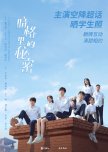
This drama is truly a MASTERPIECE.I’m absolutely in love with it! It has a great script, gorgeous cinematography, and an amazing execution of the plot. Plus, the OSTs are sooo good! The main couple is so cute, and the drama gives me the same feels as With You and My Huckleberry Friends. The plot isn’t similar, but it brings the same giddiness and the same ache for the main couple and their life struggles.
I can confidently say.
✨ 100% WORTH IT ✨
🌟 HIGHLY RECOMMENDED 🌟
Was this review helpful to you?
This review may contain spoilers
Ancient Mysteries and a Romance That Slowly and Beautifully Unfolds
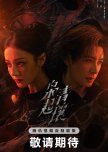
Watching Love on the Turquoise Land has truly been a thrilling ride a rare blend of fantasy, romance, mystery, and supernatural intrigue that kept me hooked from the first episode to the finale. What stood out most are the deeply drawn characters and the emotional journey they undergo.The female lead, Nie Jiu Luo, brings a grounded realism to a fantastical premise. Her life is ordinary until the hidden legacy of the “Nanshan Hunters” drags her into a web of secrets and danger. Her strength isn’t just physical: it's the emotional turmoil of discovering who she truly is, and the burden that heritage entails. The way she grapples with identity, responsibility, fear and hope felt authentic and moving throughout the series.
The male lead, Yan Tuo, is compellingly layered. Initially rigid and guarded, shaped by years of familial pressure and distrust, he gradually softens not in a sudden, trope heavy way but through hard choices and shared danger. His evolving trust in Nie Jiu Luo, and the solidarity they build together, makes their bond believable and earned. Watching his vulnerability emerge, and how it transforms him, was one of the most rewarding arcs of the show.
The dynamic between them first tension, then mutual respect, then something deeper unfolds with nuance and care. Their collaboration under pressure, moments of life-and-death reliance, and the growing empathy beneath the surface conflicts created a romance that felt earned rather than manufactured.
Beyond the leads, the world building and supporting cast added richness and mystery. The threads about ancient immortal secrets, “earth-owls,” and powers beyond the ordinary gave a sense that the universe of the story is much larger than just the two main characters and that gives room for tension, wonder, and meaningful stakes.
I also appreciated how the drama balances emotion with adventure: it isn’t purely about romance or fantasy, but about legacy, choices, and confronting the unknown.
All in all, for its character depth, emotional resonance, chemistry, and sense of wonder, Love on the Turquoise Land absolutely earns my full 10/10. I encourage viewers to watch it and form their own opinions.
Was this review helpful to you?
This review may contain spoilers
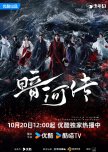
❤️ A Heartfelt Journey into the Dark River: Why This Drama is a Must-Watch
Blood River has captivated by delivering a surprisingly profound and emotionally rich Wuxia experience that goes far beyond typical martial arts dramas. From the very first episode, it captures a rare sense of sincerity and warmth, making it feel less like a series and more like a heartfelt journey.What sets this drama apart is its ability to take a seemingly simple premise and unfold it into a deeply emotional and beautifully written narrative. Every character is crafted with an impressive sense of human realism, possessing genuine flaws, dreams, and quiet moments of growth. This isn't just a tale of assassins; it’s a story about human beings struggling for survival, belonging, and a better life.
🎬 Visually Stunning and Perfectly Paced
The production quality is consistently hailed as a masterpiece. The cinematography is breathtaking, creating a world that is both dark and beautifully lit, which effectively captures the atmosphere of the assassins' world. The martial arts choreography is equally stunning, with intense battle scenes and the clever use of long-take camera movements that heighten the realism. Paired with a soundtrack that profoundly elevates the emotional impact, the series feels like watching a high-end blockbuster movie. Crucially, the emotional pacing is superb—it never feels rushed, yet maintains a quick, engaging tempo that avoids any drag, even when dealing with complicated themes.
✨ A Story of Bonds, Redemption, and Hope
At its core, Blood River is a story of mutual bonds and redemption. The deep, unwavering chemistry among the cast, particularly the relationship between Su Muyu and Su Changhe, is the series' emotional anchor. Their connection is written with such depth—a story of two souls written into each other’s destiny, fighting to protect each other’s kindness and moral bottom line within a brutal world. The drama beautifully balances lighthearted humor with serious themes about life, morality, and self-discovery, leaving viewers reflecting on their own experiences long after the credits roll.
🌟 Perfectly Acted, Filled with Lessons and Heart
The series transcends it by focusing on the poignant struggle of its characters. It explores what happens when "shadows walk under the sunlight," showing how difficult it is to change public prejudice and find dignity. It’s an honest reflection on reality: life is often uncontrollable, but even when hope is dim, the characters devote everything to chase that single glimmer of light. The show offers a powerful lesson: "One cannot defeat fate, but one can still maintain dignity within it."
Overall, Blood River is highly recommended. It is a visually stunning, perfectly acted, and emotionally genuine drama. If you are looking for a show filled with lessons, laughter, and tears that will genuinely steal your heart, this is it.
Was this review helpful to you?
This review may contain spoilers
A Quiet but Powerful Romance Built on Perseverance
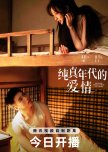
“Love Story in the 1970s” proves that sometimes the most meaningful romances are not the loudest ones, but the ones that grow patiently through life’s ordinary moments.This drama excels in portraying the subtle, enduring beauty of a love that develops amidst everyday life and shared struggles. What drew me in immediately was how organically the characters evolve, making their relationship feel authentic rather than forced. Fei Ni and Fang Mu Yang are not only shaped by the social and economic pressures of the 1970s, but also by their personal ambitions and ideals, which makes every step of their journey resonate deeply.
Fei Ni stands out as a grounded and determined protagonist. Her drive to pursue education and improve her life is portrayed with such sincerity that her setbacks feel real, yet never discouraging. The drama does an excellent job of showing how her kindness and initiative toward Fang Mu Yang are not merely romantic gestures but extensions of her pragmatic and empathetic nature. This adds layers to her character, making her both relatable and admirable.
Fang Mu Yang is equally compelling. His bravery, evident from past acts, is paired with a quiet vulnerability that only Fei Ni seems able to perceive and nurture. Their dynamic is refreshingly honest there’s no instant love at first sight, but rather a slow-building connection forged through shared responsibility, mutual respect, and everyday moments. Watching them navigate the challenges of a fake marriage, and eventually build a real partnership, is both heartwarming and profoundly human.
What makes this drama truly shine is its balance of romance and character growth. The story doesn’t rely on dramatic twists or over-the-top plot devices instead, it focuses on how ordinary circumstances financial struggles, family obligations, and societal expectations shape and deepen the bond between the two leads. Scenes like them learning to live together in a cramped apartment, supporting each other’s dreams, and facing setbacks together are portrayed with a quiet intensity that naturally draws the viewer in.
The supporting characters also enrich the story without overshadowing the leads. Their interactions with Fei Ni and Fang Mu Yang provide context, conflict, and occasional comic relief, all contributing to a fuller, more immersive narrative. Every gesture and line of dialogue feels intentional, reinforcing the era’s social atmosphere and the personal stakes for the characters.
From a production perspective, the drama’s attention to period detail is impressive. The settings, costumes, and music evoke the 1970s authentically without feeling dated, providing a beautiful backdrop for the characters’ emotional journeys. The cinematography subtly emphasizes the intimacy of shared spaces and small victories, making each moment feel significant without ever becoming melodramatic.
I particularly appreciated how the romance unfolds. Fei Ni and Fang Mu Yang’s relationship develops gradually, rooted in trust, shared responsibility, and emotional support. The series captures the essence of a love that is steady, sometimes understated, but ultimately resilient. There is a poignant honesty in their struggles whether dealing with disappointment, societal pressures, or personal doubts which makes their moments of joy all the more satisfying.
In conclusion, “Love Story in the 1970s” is a beautifully crafted, character-driven romance that celebrates perseverance, kindness, and the quiet power of everyday love. It left me genuinely moved and reminded me that the most profound relationships are often built not on grand gestures, but on patience, empathy, and mutual growth. For anyone who appreciates heartfelt and realistic storytelling, this drama is an absolute must-watch.
Was this review helpful to you?


