

 14
14 15
15 1
1 1
1 1
1 1
1 1
1 11
11 1
1 1
1 4
4 3
3 4
4


This review may contain spoilers
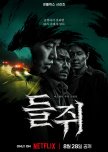
Caught Between The Rat and The Real One.
It was interesting how all of this was inspired by the Korean folklore "The Rat That Ate Fingernails,” yet they turned it into a chilling psychological study of trauma, identity theft, and imposter syndrome without relying on supernatural tropes.I had fun, ngl, and a lot of that was because of our duo, Noja and Moonjae. They had this bickering, humorous buddy dynamic despite being at odds with each other: one was a loan shark/private detective whose money was laundered, while the other was a traumatized writer.
Despite the duo being great with their deadpan comebacks, I couldn’t help but be impressed by Noja, portrayed by Sul Kyung Gu! He stole the show with his raw and chaotic energy. The rogue car fights where he landed some brutal punches on the paid goons, the insane police car chase, and the scene where he crawled out of the hole he was buried in were all so thrilling. He brought high stakes and grit to the story.
Ryu Jun-yeol brilliantly handles the dual roles of the 'Rat' and the 'Real' protagonist. He balances the imposter's bold, calculating nature against the genuine human's paranoid, guarded demeanor and slouched body language.
The directing also elevated my experience, especially in how they portrayed Moonjae’s panic attacks through the constant zooming in and out and swirling lighting.
However, Episode 9 was my least favourite from a directing standpoint. We spent about three-quarters of the episode in darkness because of the poor lighting during the nighttime chase in the mountains, which made the action scenes feel draggy.
The pacing also took a huge hit in the same episode, as the police were busy cursing in the dark and fighting amongst themselves, prolonging the chase and giving the criminals ample time to escape lol.
In the end, it was a fun watch, but the pacing dipped from Episode 8 onward. I loved the twists, the car chase, the amazing depiction of the cost of stolen identity, and the leads’ brief alliance.
Was this review helpful to you?

This review may contain spoilers
When Food Brought Two Worlds Together
This drama caught my attention right from the start—it’s light, funny, and surprisingly heartwarming. A modern-day (French cuisine) chef finds herself transported back to the Joseon era through an ancient cookbook/journal and of all places, she ends up in the kitchen of a notorious king. At first, it feels like the worst twist of fate, but soon enough, their shared love of food begins to change everything.What I really enjoyed was how food became more than just a tool for survival but it turned into a bridge between two very different worlds. The king, who initially comes across as harsh and intimidating, slowly reveals a softer, even charming side once he begins tasting dishes he could have never imagined. Their bond develops naturally, flavored with humor and a lot of bickering and while I wish there had been more focus on their romance, the balance worked well in the end. And yes it’s a happy ending for those who worry about investing in the couple.
The comedy was another big win. Watching Joseon people taste food from the future was hilarious every single time especially the exaggerated reactions, the disbelief and the pure joy made me laugh out loud. The cast had great chemistry and you could tell they leaned into the comedic beats without taking themselves too seriously.
Still, it wasn’t without its flaws. Some moments felt rushed, especially the romance and there were scenes that could have dived deeper into the emotional side of time-travel and identity. But in a way, that’s also what made it such a "breezy watch" as it never dragged or got too heavy.
Overall, Bon Appétit, Your Majesty is a feel-good mix of fantasy, food and romance. It may not be groundbreaking, but it doesn’t need to be for it delivers exactly what it promises: laughs, charm, and a sweet little love story wrapped in delicious dishes.
Was this review helpful to you?

Brilliant Acting, Morally Draining Storyline
I kind of enjoyed Dear X… but only to a certain point.The acting was the first thing that drew me in. Everyone delivered, and Kim Yoo-jung completely owned her role as Baek Ah Jin. No weak links anywhere. Honestly, the performances alone kept me watching even when the story got heavy.
Since Ah-jin doesn’t experience emotions like most people, I tried watching the drama “logically” to understand her choices. It worked in the beginning, but eventually my emotions caught up and started influencing how I felt about everything.
At first, I didn’t feel bad about her getting back at Seung-hee because Seung-hee did start the mess. Ah-jin seeing through her and fighting back made sense. But once the story shifted to murder plotting and framing innocent people, that’s where it lost me. I understood why Ah-jin became who she is. The trauma, the toxic relationships, the transactional view of love... but morally, I couldn’t follow her anymore. That was my breaking point with the plot.
The ending was a lot too. I’d grown attached to certain characters, so watching how everything wrapped up hit harder than I expected. Even so, I get why the drama chose an uncompromising ending; it stayed true to its tone and to the character they built.
Overall, Dear X is incredibly well-acted and definitely memorable, but it’s also emotionally draining. I appreciated the craft, even though I couldn’t agree with every direction the story took.
Was this review helpful to you?
This review may contain spoilers
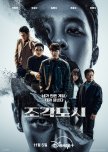
ERASED QUIETLY
What pulled me into The Manipulated almost immediately was how unapologetically cruel its villain is. An Yo-han isn’t written to be misunderstood or redeemed. He’s simply a psychopath very calm, deliberate, and completely unmoved by the damage he causes. If he decides he dislikes you, you’re erased. What makes this genuinely frightening is how casually he does it, especially as the head of a security company with access to CCTV networks across the country. He doesn’t just manipulate people; he manipulates truth itself. The rich commit crimes and walk away untouched, while evidence is quietly redirected onto those who are poor, desperate, and easy to silence.Yo-han’s patience is what truly sets him apart. He doesn’t rush. He watches, studies routines, and learns patterns until he can construct what looks like the perfect crime; one where the system takes care of the rest. That’s why it’s so unsettling that his latest target is Park Tae-joong, a delivery driver doing his best to raise his younger brother. He’s exactly the kind of person society rarely notices. The fact that his life unravels because of something as mundane as answering a phone call from a 'lost-and-found 'mobile phone makes everything feel disturbingly plausible.
When he escapes prison, his resolve feels earned rather than exaggerated. With Ji Chang-wook in the role, the action sequences don’t exist just for spectacle. They feel personal, grounded, and often brutal. Tae-joong never shrinks back no matter how powerful the people standing in front of him are... and there’s something quietly cathartic in that kind of defiance.
What stayed with me most, though, wasn’t the action. It was the discomfort. The drama constantly nudges you to think about how much power comes with access to digital data, and how little oversight there really is. Watching it made me think about who controls information, who benefits from it, and how easily that power can be abused when morality is absent. The fact that the drama makes you sit with those questions is one of its strongest achievements.
That said, the series isn’t without flaws. The first half is sharp and tightly structured, but the pacing becomes uneven as it moves toward the end. Some emotional moments feel rushed, while key threads such as including An Yo-han’s legal fate, the extent of his institutional protection, and even his mother’s role... are left frustratingly unresolved. After such a careful build-up, the lack of closure feels less intentional and more like a consequence of limited time.
Some supporting characters suffer from this compression as well. A few people introduced with emotional weight exist largely to move Tae-joong forward, and their arcs are resolved quickly, sometimes before they can fully land.
Even so, The Manipulated leaves a strong impression. Its exploration of surveillance, power, and how easily ordinary lives can be dismantled still lingers long after the final episode. While the ending doesn’t fully honor the depth of what came before, the drama’s core remains compelling.
I started this fully convinced it was a 10, but in hindsight, the rushed conclusion and missing resolutions settle it at a solid 8.5/10 for me. Not because it fell short of being good but because it reached for something bigger than it ultimately had time to finish.
Was this review helpful to you?
This review may contain spoilers
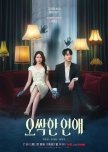
What a bummer!
Spooky in love started out so strong in the first half with the electrifying chemistry between the leads but dipped in the second half... full of clichés that were poorly done and unnecessary!I enjoyed watching Yeori and Ganguk's chemistry! Their bickering and petty jealousy moments were so adorable to watch. Plus, loved the whole crime-solving dynamic that actually worked so well as Yeori uses her ghost-seeing abilities to get the truth while Ganguk using his legal power as a prosecutor to lock up the bad guys. That little boy's case is still one of my absolute favorites of the whole show!
Kang Minhwan gave me mixed feelings...
I’m so conflicted about him because on one hand, I was actually impressed by how well he masked his evil side early on under that "charming childhood friend" persona but on the other hand, his character just completely degenerated. He went from being protective to this coward villain driven by insecurities about being adopted. Watching him go behind Yeori's back to buy up shares, trash her reputation and team up with the likes of Hari was kinda pathetic ngl… he was no longer strategic. His arc became sloppy like the writer wanted him to now get caught.
Now on to what I disliked...
First of all, Hari. She makes zero sense as a character. Why is she even fighting over the CEO position with Yeori? Yeori is clearly accomplished, highly educated (their grandma literally wouldn't stop bragging about it), and she actually kept the hotel stable. Meanwhile, what does Hari have? A mother who embezzles money. We never see a single qualification to explain why Hari is a threat, making this whole corporate business arc a total waste of screen time. They could’ve used those episodes to give us more fluff between the leads instead!
The ghost investigations vanished almost halfway through the drama to make room for the business succession tussle which was boring due to Hari and her family obviously.
And don't get me started on Ganguk's grandma....geez! Meddling in her grandson’s love life and convincing Yeori to break up just because she's a "jinx" was infuriating and don't get me wrong, I get that she cares, but Yeori pulling the classic self-sacrificing "noble idiocy" act and actually going through with the breakup was a deal breaker and the biggest "wtf" moment. There are literally only 2 episodes left, why are we doing a breakup arc now?! If the writers can magically let Prosecutor Ma survive flatlining after getting hit by a car, despite him having a 10-year-old heart transplant, (all that in the same day, get dressed and discharged) surely they can magically let them beat the odds and stay together? The double standard is wild.
In the end, the leads' chemistry was the only thing that kept me watching. All that forcing generic, boring chaebol succession drama into a supernatural show was such a chore to sit through. I wish they had just stuck to the spooky investigative vibes all the way to the end. Honestly, I wouldn't recommend this show, which is such a shame because the leads were perfect... if only I could edit out all the jarring parts myself. What a waste of potential!
Was this review helpful to you?
This review may contain spoilers
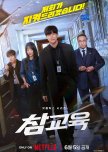
No More Useless Adults
A 10-hour long lesson that was not boring?! I honestly enjoyed this drama because it is both bold and refreshing. Why? Because it finally addresses major, overlooked issues in the education system that are rarely resolved this way in dramas. It tackles issues like life-threatening school bullying, exam cheating, drug trafficking among students, social media manipulation, and obsessive parenting, just to name a few. The drama brilliantly addresses ten distinct issues, with each episode focusing on a new case revolving around the education sector.It also finally shows adults stepping up and solving these problems regardless of the victim's background( a teacher, student or a parent). It's baffling, I know, because we are so used to watching the powerful and influential get away with literally anything, but not in this world. Not under the ERPB 's(Education Rights Protection Bureau) watch, which stands firmly with the victims until justice is served. This is exactly what I found so bold and refreshing!
While our leads are united by this board, the reason behind its formation was low-key selfish, stemming from a personal vendetta. Inspector Na’s fiancée sadly died at the hands of a student. She was a strong advocate for disciplining children as responsible adults, which inspired the formation of this bureau. Even though its origins were personal, seeing the board work with complete impartiality, truly going after the perpetrators and giving them a taste of their own medicine, was incredibly satisfying.
I enjoyed watching Kim Mu-yeol's performance as Inspector Na Hwa-jin; he portrayed this "blade of justice" aura in such a convincing way that it never felt dull. Lee Sung-min was equally superb as Choi Gang-seok, the Education Minister and the creator of the bureau. The two shared fantastic dynamic, never wavering when administering justice. One executes the field operations while the other handles the political repercussions, creating a perfect balance within the ERPB when things get extremely messy and wild lol. I also enjoyed Jin Ki-joo’s performance as Im Han-rim, who was this brilliant "loose cannon" of the team, even if her sudden screams could be a bit off-putting at times.
Nonetheless, I enjoyed the action scenes by our skilled inspectors, and how the cases were solved at a breakneck pace that never dragged. There were many heartfelt moments, alongside plenty of instances that make you question if common sense is truly common, for most of the characters here lacked it. You will be completely baffled by the misplaced priorities of some characters, for instance, a mother who is ready to risk absolutely everything just for her son to get into medical school. Emphasis on absolutely EVERYTHING! It doesn't even matter that her son is fighting for his life in a coma; she still asks the doctor if he will wake up in time for the CSATs! This drama covers all of that, ensuring the victims of a failed system are protected and given justice.
Conclusion...
We have been long overdue for this kind of action. While it is thrilling to watch school thrillers where students are abandoned to fight their own bloody battles, like in Study Group, The Glory, and Weak Hero Class 1, this was a total breath of fresh air because competent adults were actively involved in rectifying these monstrous acts.
I have to admit, the concept of the ERPB punishing delinquents without limitations or legal boundaries was scary at first but after diving into the drama and watching these perpetrators show absolutely zero remorse for their despicable acts, it made perfect sense. They can only be taught a lesson in a language they truly understand, and if that language is violence, then violence it is. This was yet another well-done thought-provoking drama. I know that such an extreme approach would rightly be frowned upon in reality, however I still applaud this drama for reminding us that while good grades and careers are important, nurturing a person's dignity and moral integrity matters just as much. I'm so glad I sat through this 10-hour lesson. Totally worth it!
Was this review helpful to you?

You and Everything Else
1 people found this review helpful
This review may contain spoilers
The Frangible Line of Friendship
This drama left me rattled. Sang-yeon’s character in particular she had me swinging between pity and pure rage. She grew up feeling her mom loved her brother more, and instead of finding healing, she weaponized her grief. Whether it was guilt over her brother, jealousy of Eun-jung, or craving validation...her pain turned into manipulation.Eun-jung, on the other hand, had already lost her dad and found comfort in Sang-yeon’s mom (her teacher at the time). That bond shaped her resilience, while Sang-yeon twisted it into a reason for envy. From then on, everything between them was a push-pull of love and rivalry.
The betrayals stacked up from stealing Eun-jung’s love, her work, even her peace of mind. Watching Sang-yeon sabotage her supposed best friend, only to later ask her to walk her to death’s door, was both gut-wrenching and infuriating. I couldn’t decide if she was selfish, pitiful or both.
But what this drama did brilliantly was show how "friendship isn’t always soft and comforting rather it can be violent, corrosive, yet impossible to sever." Even when they hated each other, Eun-jung and Sang-yeon were defined by one another. And that’s what makes the ending so devastating: reconciliation came, but only at the edge of time.
The cinematography and acting were subtle, almost restrained, making the emotional explosions hit even harder. By the finale, I was drained, angry and heartbroken all at once.
Was it beautiful? Yes. Was it frustrating? Absolutely. And maybe that’s the point: real friendships aren’t tidy. They can scar you, define you and still leave you longing for more.
Was this review helpful to you?


