


This review may contain spoilers
A Timeless Tragedy of Love, Fate, and Loss
What makes Autumn in My Heart a classic even after all these years isn’t just its sadness, but how deliberately it explores fate, sacrifice, and emotional inevitability. The switched at birth trope isn’t used simply as a cliche. Instead, it becomes a way to question whether love is shaped by blood, upbringing, or choice. Honestly the writers did a great job at this because I question this all the time when I watch this drama.
Yun Eun Seo grows up surrounded by privilege and affection, yet once her true origins are revealed, she’s stripped of both stability and identity. Her decision to leave the life she knows and return to her biological mother isn’t framed as heroic, but as deeply human. It’s driven by guilt, empathy, and a sense of responsibility that defines much of her character throughout the series.
Yun Jun Seo’s character is equally tragic. From childhood, he unintentionally becomes the catalyst for nearly every turning point in Yun Eun Seo’s life. As an adult, this burden manifests as guilt and emotional restraint. His love for her feels like inevitability, as if loving her is something he was never able to escape. This is why their relationship, while romantic, is also heavy and painful. They aren’t just fighting societal boundaries or family expectations, they’re fighting years of shared history and unresolved guilt.
The romance itself is uncomfortable by design. Having grown up as siblings, their transition into lovers is meant to unsettle the audience, forcing viewers to confront the gray area between emotional bonds and social norms. I remember watching this and just finding it very weird. The drama doesn’t try to justify or romanticize this conflict easily. Instead, it lets the discomfort linger, which adds to the emotional weight and realism of their struggle.
Han Tae Suk stands out precisely because he represents an alternative path. Initially introduced as a stereotypical wealthy playboy, he undergoes the most visible growth. His love for Yun Eun Seo is active and intentional. He offers stability, presence, and honesty, yet ultimately loses because love in this drama isn’t about who is better or healthier, but about who is emotionally inevitable. Yun Eun Seo’s inability to fully see Han Tae Suk isn’t a failure of judgment, but a reflection of how deeply her past with Yun Jun Seo defines her present.
The illness plot, often criticized as melodramatic, serves a crucial purpose. It removes the possibility of a clean or logical resolution. Yun Eun Seo’s decision to live selfishly near the end isn’t selfish at all. It’s her first and only attempt to reclaim agency over her life after years of having her fate decided by accidents, family, and circumstance. Choosing Yun Jun Seo becomes less about romance and more about choosing familiarity, comfort, and emotional truth in the face of limited time.
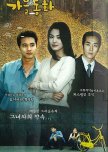
Ultimately, Autumn in My Heart doesn’t offer emotional relief. It leans fully into longing, regret, and unresolved love. The chemistry between the three leads amplifies this, making every interaction feel loaded with unspoken emotion. Rewatching it as an adult reveals how layered the story truly is. It’s not just a tragic love story, but a meditation on how some relationships are formed not by choice, but by fate, and how those bonds can shape a person for life, even when they lead to heartbreak.
Song Seung Heon as Yun Jun Seo was a character I personally struggled with. I disliked how emotionally reserved he was, especially toward Eun Seo. It often felt like his guilt over her circumstances convinced him that he didn’t deserve happiness, which caused him to hold back when it mattered most. I wanted him to be more open and expressive with his love for her. That said, Song Seung Heon did a great job portraying Jun Seo’s internal conflict and emotional restraint, which ultimately made the character feel believable, even if frustrating.
Song Hye Kyo as Yun Eun Seo, also known as Choi Eun Seo, is especially impressive when you consider how young she was at the time. It’s almost unbelievable that she was only around 19 during filming. Despite her age, she delivered a deeply affecting performance. Her portrayal of Eun Seo is emotionally raw and fragile, and her scenes are absolutely heartbreaking. You don’t just see her pain, you feel it alongside her.
Won Bin as Han Tae Suk is another standout. It’s fascinating to think about how reserved and private he is in real life, considering how expressive and emotionally transparent Han Tae Suk is as a character. Yet he makes the role feel completely natural, almost as if he’s playing himself. His performance adds warmth and sincerity to Han Tae Suk, making it easy to understand why so many viewers were drawn to him and rooted for him despite being the second lead.
Yun Eun Seo grows up surrounded by privilege and affection, yet once her true origins are revealed, she’s stripped of both stability and identity. Her decision to leave the life she knows and return to her biological mother isn’t framed as heroic, but as deeply human. It’s driven by guilt, empathy, and a sense of responsibility that defines much of her character throughout the series.
Yun Jun Seo’s character is equally tragic. From childhood, he unintentionally becomes the catalyst for nearly every turning point in Yun Eun Seo’s life. As an adult, this burden manifests as guilt and emotional restraint. His love for her feels like inevitability, as if loving her is something he was never able to escape. This is why their relationship, while romantic, is also heavy and painful. They aren’t just fighting societal boundaries or family expectations, they’re fighting years of shared history and unresolved guilt.
The romance itself is uncomfortable by design. Having grown up as siblings, their transition into lovers is meant to unsettle the audience, forcing viewers to confront the gray area between emotional bonds and social norms. I remember watching this and just finding it very weird. The drama doesn’t try to justify or romanticize this conflict easily. Instead, it lets the discomfort linger, which adds to the emotional weight and realism of their struggle.
Han Tae Suk stands out precisely because he represents an alternative path. Initially introduced as a stereotypical wealthy playboy, he undergoes the most visible growth. His love for Yun Eun Seo is active and intentional. He offers stability, presence, and honesty, yet ultimately loses because love in this drama isn’t about who is better or healthier, but about who is emotionally inevitable. Yun Eun Seo’s inability to fully see Han Tae Suk isn’t a failure of judgment, but a reflection of how deeply her past with Yun Jun Seo defines her present.
The illness plot, often criticized as melodramatic, serves a crucial purpose. It removes the possibility of a clean or logical resolution. Yun Eun Seo’s decision to live selfishly near the end isn’t selfish at all. It’s her first and only attempt to reclaim agency over her life after years of having her fate decided by accidents, family, and circumstance. Choosing Yun Jun Seo becomes less about romance and more about choosing familiarity, comfort, and emotional truth in the face of limited time.
Ultimately, Autumn in My Heart doesn’t offer emotional relief. It leans fully into longing, regret, and unresolved love. The chemistry between the three leads amplifies this, making every interaction feel loaded with unspoken emotion. Rewatching it as an adult reveals how layered the story truly is. It’s not just a tragic love story, but a meditation on how some relationships are formed not by choice, but by fate, and how those bonds can shape a person for life, even when they lead to heartbreak.
Song Seung Heon as Yun Jun Seo was a character I personally struggled with. I disliked how emotionally reserved he was, especially toward Eun Seo. It often felt like his guilt over her circumstances convinced him that he didn’t deserve happiness, which caused him to hold back when it mattered most. I wanted him to be more open and expressive with his love for her. That said, Song Seung Heon did a great job portraying Jun Seo’s internal conflict and emotional restraint, which ultimately made the character feel believable, even if frustrating.
Song Hye Kyo as Yun Eun Seo, also known as Choi Eun Seo, is especially impressive when you consider how young she was at the time. It’s almost unbelievable that she was only around 19 during filming. Despite her age, she delivered a deeply affecting performance. Her portrayal of Eun Seo is emotionally raw and fragile, and her scenes are absolutely heartbreaking. You don’t just see her pain, you feel it alongside her.
Won Bin as Han Tae Suk is another standout. It’s fascinating to think about how reserved and private he is in real life, considering how expressive and emotionally transparent Han Tae Suk is as a character. Yet he makes the role feel completely natural, almost as if he’s playing himself. His performance adds warmth and sincerity to Han Tae Suk, making it easy to understand why so many viewers were drawn to him and rooted for him despite being the second lead.
Was this review helpful to you?


