


This review may contain spoilers
A Story of Healing, Patience, and Unspoken Love
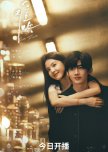
Whoever cast Bai Jing Ting as Sang Yan and Zhang Ruo Nan as Wen Yi Fan made the right decision. Their chemistry feels effortless from the very beginning. Much of their relationship is built on quiet moments, lingering glances, and restrained emotions rather than dramatic confessions, and both actors convey those unspoken feelings exceptionally well. Their performances make it easy to believe these are two people who've spent years carrying unresolved feelings for one another, which is essential for a story that relies so heavily on subtle emotional development. Even when very little is being said, their expressions and body language communicate everything the audience needs to understand. Bai Jing Ting, in particular, excels at conveying Sang Yan's quiet yearning. So much emotion is expressed through his eyes alone, making it impossible not to feel the weight of everything his character chooses to leave unsaid.
The story begins with Wen Yi Fan ending things with Sang Yan, immediately establishing the hurt and longing both characters carry as they part ways. It then shifts to the present, by chance, she reunites with Sang Yan. Sang Yan presents himself as cold and distant, while Wen Yi Fan remains cordial, choosing to suppress rather than confront their unresolved feelings. This emotional restraint creates a constant tension that carries much of the drama's early episodes. Rather than relying on misunderstandings or forced conflict, the drama allows the weight of everything left unsaid to drive their interactions.
The first half of the drama primarily focuses on rebuilding trust, while the second half shifts toward exploring the lasting consequences of Wen Yi Fan's past. When she leaves to protect Sang Yan from becoming involved, the story expands beyond romance and places greater emphasis on the emotional scars she's spent years trying to carry alone. As Sang Yan searches for her and uncovers what she endured, both he and the audience gradually come to understand the extent of her trauma. I appreciated that these revelations weren't treated as plot twists for shock value. Instead, the drama carefully builds toward them, allowing viewers to understand why Wen Yi Fan behaves the way she does before fully revealing the source of her pain. Because the audience has already witnessed the lasting effects of her trauma, the eventual reveal feels heartbreaking rather than merely surprising. This approach gives the emotional payoff far more weight.
The drama's use of flashbacks is handled exceptionally well. It moves between the past and present in measured increments, revealing information only when it's emotionally relevant. Each transition adds another layer to the characters' motivations without disrupting the pacing or revealing too much too early. As the story revisits their high school years, it becomes increasingly apparent that Wen Yi Fan's trauma had already begun dictating her choices long before she and Sang Yan were separated. The gradual release of information allows the audience to reassess earlier scenes with a deeper understanding as the narrative progresses. Every flashback feels purposeful, gradually reshaping the viewer's perspective instead of simply filling in missing details.
Sang Yan's dialogue reflects this characterization perfectly. He often speaks in a blunt or sarcastic manner, but his affection is expressed through teasing, attentiveness, and quiet consideration rather than direct confessions. He notices the smallest details about Wen Yi Fan and quietly adjusts his actions to make her feel comfortable without expecting recognition or praise. Sang Yan loves Wen Yi Fan without condition. He respects her boundaries throughout the story and never attempts to force intimacy or rush her healing. One of my favorite scenes is when he quietly tells her as she sleeps, "Wen Shuangjiang, can you chase me a little more obviously? Otherwise, I feel uncertain. If you're not willing to extend a hand first, how would I dare give myself to you again?" It's a vulnerable confession that perfectly captures his character. Despite appearing confident and composed, he's just as afraid of being hurt again. Rather than demanding reassurance, he simply hopes she'll meet him halfway. Moments like this perfectly encapsulate the drama's approach to romance. Instead of relying on sweeping declarations, it finds its emotional impact in honesty, vulnerability, and restraint.
I also like that Sang Yan's role isn't to fix Wen Yi Fan's trauma but to provide the consistency and emotional safety she never had growing up. The contrast between their upbringings reinforces this dynamic. Sang Yan was raised in a loving and stable family, while Wen Yi Fan's life was defined by instability, neglect, and fear. Rather than minimizing these differences, the drama uses them to explain why each character approaches love so differently. Sang Yan knows what unconditional love looks like, while Wen Yi Fan has spent years believing she has to carry everything alone. Their relationship isn't presented as a cure for her trauma, but as a safe place where she's finally allowed to heal on her own terms.
Although The First Frost is a slow burn romance, it never feels like it's dragging. The romance develops alongside the gradual revelation of Wen Yi Fan's past, making both storylines dependent on one another rather than existing separately. Every emotional breakthrough in their relationship is earned because it comes only after the audience understands what each character has been carrying. The result is a drama that isn't simply about two people falling in love again, but about trust, healing, forgiveness, and learning to accept love after years of emotional isolation. Sang Yan's love feels unconditional because it's defined by patience, consistency, and respect rather than sacrifice or grand declarations, allowing their relationship to feel completely earned by the time the story reaches its conclusion.
The story begins with Wen Yi Fan ending things with Sang Yan, immediately establishing the hurt and longing both characters carry as they part ways. It then shifts to the present, by chance, she reunites with Sang Yan. Sang Yan presents himself as cold and distant, while Wen Yi Fan remains cordial, choosing to suppress rather than confront their unresolved feelings. This emotional restraint creates a constant tension that carries much of the drama's early episodes. Rather than relying on misunderstandings or forced conflict, the drama allows the weight of everything left unsaid to drive their interactions.
The first half of the drama primarily focuses on rebuilding trust, while the second half shifts toward exploring the lasting consequences of Wen Yi Fan's past. When she leaves to protect Sang Yan from becoming involved, the story expands beyond romance and places greater emphasis on the emotional scars she's spent years trying to carry alone. As Sang Yan searches for her and uncovers what she endured, both he and the audience gradually come to understand the extent of her trauma. I appreciated that these revelations weren't treated as plot twists for shock value. Instead, the drama carefully builds toward them, allowing viewers to understand why Wen Yi Fan behaves the way she does before fully revealing the source of her pain. Because the audience has already witnessed the lasting effects of her trauma, the eventual reveal feels heartbreaking rather than merely surprising. This approach gives the emotional payoff far more weight.
The drama's use of flashbacks is handled exceptionally well. It moves between the past and present in measured increments, revealing information only when it's emotionally relevant. Each transition adds another layer to the characters' motivations without disrupting the pacing or revealing too much too early. As the story revisits their high school years, it becomes increasingly apparent that Wen Yi Fan's trauma had already begun dictating her choices long before she and Sang Yan were separated. The gradual release of information allows the audience to reassess earlier scenes with a deeper understanding as the narrative progresses. Every flashback feels purposeful, gradually reshaping the viewer's perspective instead of simply filling in missing details.
Sang Yan's dialogue reflects this characterization perfectly. He often speaks in a blunt or sarcastic manner, but his affection is expressed through teasing, attentiveness, and quiet consideration rather than direct confessions. He notices the smallest details about Wen Yi Fan and quietly adjusts his actions to make her feel comfortable without expecting recognition or praise. Sang Yan loves Wen Yi Fan without condition. He respects her boundaries throughout the story and never attempts to force intimacy or rush her healing. One of my favorite scenes is when he quietly tells her as she sleeps, "Wen Shuangjiang, can you chase me a little more obviously? Otherwise, I feel uncertain. If you're not willing to extend a hand first, how would I dare give myself to you again?" It's a vulnerable confession that perfectly captures his character. Despite appearing confident and composed, he's just as afraid of being hurt again. Rather than demanding reassurance, he simply hopes she'll meet him halfway. Moments like this perfectly encapsulate the drama's approach to romance. Instead of relying on sweeping declarations, it finds its emotional impact in honesty, vulnerability, and restraint.
I also like that Sang Yan's role isn't to fix Wen Yi Fan's trauma but to provide the consistency and emotional safety she never had growing up. The contrast between their upbringings reinforces this dynamic. Sang Yan was raised in a loving and stable family, while Wen Yi Fan's life was defined by instability, neglect, and fear. Rather than minimizing these differences, the drama uses them to explain why each character approaches love so differently. Sang Yan knows what unconditional love looks like, while Wen Yi Fan has spent years believing she has to carry everything alone. Their relationship isn't presented as a cure for her trauma, but as a safe place where she's finally allowed to heal on her own terms.
Although The First Frost is a slow burn romance, it never feels like it's dragging. The romance develops alongside the gradual revelation of Wen Yi Fan's past, making both storylines dependent on one another rather than existing separately. Every emotional breakthrough in their relationship is earned because it comes only after the audience understands what each character has been carrying. The result is a drama that isn't simply about two people falling in love again, but about trust, healing, forgiveness, and learning to accept love after years of emotional isolation. Sang Yan's love feels unconditional because it's defined by patience, consistency, and respect rather than sacrifice or grand declarations, allowing their relationship to feel completely earned by the time the story reaches its conclusion.
Was this review helpful to you?


