
 K-Drama




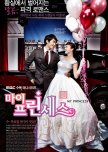
Cinderella in Seoul — A Sweet Royal Rom-Com Ride
This series was my first real intro to the world of dramas — and the one that completely pulled me in. On the surface, it’s a cute, comforting fairy-tale: an ordinary college student, Lee Seol, suddenly discovers she’s actually royalty — a princess, the great-granddaughter of Korea’s last Emperor.
Thrown into a life of palaces, etiquette, and public scrutiny, she’s guided by Park Hae‑young, a chaebol-heir-turned-mentor who must teach her everything from royal protocol to public appearances. What starts as a guardianship quickly blossoms into something more — and their evolving relationship, full of playful banter, awkward misunderstandings, and tender moments, is what made the show special for me.
Lee Seol herself is a big part of that charm. She’s a lonely orphan who’s learned to take life as it comes — someone who bounces back with humor, daydreams, and an upbeat, slightly chaotic spirit that brightens even the most absurd situations. Watching her stumble, scramble, and shine her way through this unexpected royal identity is half the fun.
Now… the background music. It genuinely sounds like something a kid recorded on an old keyboard they dug out of the attic. Not exactly a cinematic triumph. And although Lee Seol longs to restore the monarchy and honor her heritage, the story doesn’t always give her the platform or support that ambition deserves; sometimes the comedy overshadows her purpose.
But if you can look past the bootleg soundtrack and the melodramatic spikes, there’s a surprisingly thoughtful little story underneath. One of the reasons I kept revisiting this drama was the dialogue. Every now and then, the script drops these unexpectedly profound lines — little “wisdom bombs” that make you pause. The writer had a subtle way of expressing deeper truths through everyday moments.
Still, the real heart of the show lies in the dynamic between the leads. Their banter, timing, and playful back-and-forth carry the entire series. It’s campy, for sure, but they somehow make it work, turning a simple Cinderella-style premise into something warm, engaging, and genuinely sweet.
Thrown into a life of palaces, etiquette, and public scrutiny, she’s guided by Park Hae‑young, a chaebol-heir-turned-mentor who must teach her everything from royal protocol to public appearances. What starts as a guardianship quickly blossoms into something more — and their evolving relationship, full of playful banter, awkward misunderstandings, and tender moments, is what made the show special for me.
Lee Seol herself is a big part of that charm. She’s a lonely orphan who’s learned to take life as it comes — someone who bounces back with humor, daydreams, and an upbeat, slightly chaotic spirit that brightens even the most absurd situations. Watching her stumble, scramble, and shine her way through this unexpected royal identity is half the fun.
Now… the background music. It genuinely sounds like something a kid recorded on an old keyboard they dug out of the attic. Not exactly a cinematic triumph. And although Lee Seol longs to restore the monarchy and honor her heritage, the story doesn’t always give her the platform or support that ambition deserves; sometimes the comedy overshadows her purpose.
But if you can look past the bootleg soundtrack and the melodramatic spikes, there’s a surprisingly thoughtful little story underneath. One of the reasons I kept revisiting this drama was the dialogue. Every now and then, the script drops these unexpectedly profound lines — little “wisdom bombs” that make you pause. The writer had a subtle way of expressing deeper truths through everyday moments.
Still, the real heart of the show lies in the dynamic between the leads. Their banter, timing, and playful back-and-forth carry the entire series. It’s campy, for sure, but they somehow make it work, turning a simple Cinderella-style premise into something warm, engaging, and genuinely sweet.
Was this review helpful to you?


