
 K-Drama




This review may contain spoilers
Witty Legal Romance with Humor, Heart, and a Time-Slip Twist Worth Savoring
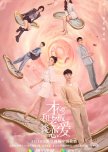
I’ll admit it: the rooster-hedgehog hair in the previews nearly scared me off. I avoided Legally Romance far longer than I should have — only to discover one of the most clever, heartfelt, and refreshingly grounded C-dramas I’ve ever seen. If I had known just how much personality Z.Tao has in real life, I wouldn’t have hesitated for a second. And Song Zuer? She’s a force of nature — sharp, hilarious, expressive, and utterly magnetic.What looks at first like a simple “unlucky legal assistant gets a second chance at life” story quickly reveals itself to be something far richer, more symbolic, and far more beautifully intentional.
⏳ A Time-Travel Setup That Refuses to Collapse
Most time-travel romances start strong and then unravel the moment the show has to justify the rules of the universe. Legally Romance does the opposite. It begins with a familiar premise — Qian Wei, burned out and betrayed in her legal assistant job, tumbles back into her college years — but the writing evolves in a way that is quietly brilliant.
You think the time-slip IS the story… until the drama reveals it was only the frame.
The real narrative lives in the motifs, the emotional echoes, the hidden wounds, and the question at the heart of the show: What version of your life might have unfolded if grief hadn’t pressed the pause button?
❄️ A Woman Whose Life Froze in Place
Qian Wei isn’t just unlucky — she’s grieving. Years earlier, her father’s sudden death shattered her world. She never took her bar exam. She poured herself into a man she believed in, Li Chongwen, who slowly grew cynical and sacrificed integrity for ambition. His betrayal — professional and personal — destroys the last of her hope.
So when she lands in 2011 again, alive and unburdened, her father healthy, her future unwritten, she grabs the chance with both hands. But she is not the naïve girl she once was. She carries hindsight, heartbreak, and a maturity that lets her see what she missed before.
🫶🏼 The Unexpected Love Story at the Heart of It All
In her first life, Qian Wei saw Lu Xun only as a rival — the sharp, serious legal genius who always seemed one step ahead.
In this second chance, she begins to notice things about Lu Xun her younger self never noticed before — the subtle fondness behind their “rivalry”, the multitude of ways he supported her (and without expecting any recognition ever), the consistency of his principles and values (even when she dismissed him), and the quiet loyalty and warmth he tries to hide.
It’s a revelation: the man she once viewed only as a competitor had not only been rooting for her — but sincerely loving her — far longer than she ever understood.
Their chemistry is unreal ❤️🔥: grounded in mutual respect and deep devotion, but brightened by playful wit and a tension that feels effortless and inevitable.
🤝🏽 A Love Triangle That Avoids the Clichés
Another reason to love this writing is the way Li Chongwen and Lu Xun never devolve into toxic caricatures. They may be love rivals, yes, but they’re also senior and junior in the same field, men who understand each other’s strengths and burdens. Their dynamic is marked by mutual respect and a baseline friendship, making the triangle compelling without ever slipping into cheap dramatics.
💥 And Then — the Genius Twist
Just when you think the time-travel reveal is coming…
Just when you brace yourself for contrived temporal logic…
The drama pulls the rug in the smartest way possible:
Qian Wei was in a coma the whole time.
The second chance was actually a dream — a map of meaning her mind built from a mix of her unresolved feelings and real voices / confessions spoken by her bedside.
Suddenly the lack of closure with Lu Xun in the dream makes heartbreaking sense — it intentionally reflects his real-world position: a man who has loved her silently for ten long years, always coming second, always waiting.
It’s devastating, yet elegantly designed, positioning both characters for the story that truly matters:
⚔️ The Real Fight Begins in the Present
Once Qian Wei wakes, she becomes the woman her dream helped her remember she could be—braver, steadier, more enlightened, reconciled with her grief, and finally ready to reclaim the legal career she once walked away from. Yet she is left facing a new uncertainty: whether Lu Xun’s feelings toward her are truly real, or whether everything she experienced was only a dream. Determined to find equal footing with Lu Xun on her own terms, Qian Wei wrestles to confront her deeper insecurities and face reality head-on...while finding the courage to pursue the love she had overlooked for so many years.
And Lu Xun? This is where his arc really gets to take flight.
Lu Xun has deep insecurities of his own to wrestle with, and after carrying them quietly for ten long years, he remains reluctant to finally let his pretenses fall away. Especially as the threat of rejection continues to linger with Li Chongwen constantly rattling his confidence by positioning himself as the man Qian Wei chose in the past—and the man she will inevitably choose again in the present. All the while, Qian Wei is suddenly showing Lu Xun an interest and curiosity she never did before, leaving him perplexed and igniting a battle of wills as they both probe the other to admit their affection. Watching Lu Xun finally unmask and fight for the love he has kept hidden—honestly and openly—is immensely satisfying.
Then together, they chase Qian Wei's long-buried dream of building a public-interest law platform, while sparring with the ultimate antagonists and growing into the best versions of themselves.
🎭 Performances & Themes
Song Zuer delivers a performance full of spark, wit, and piercing emotional honesty — especially in scenes with her father (who is so tenderly written it aches). She is a truly joy to watch.
Z.Tao matches her beat for beat, delivering a performance that is controlled but tender, passionate but principled. In general his performance is surprisingly nuanced and vulnerable.
This drama explores a range of deeply relevant themes:
• grief and unresolved loss
• second chances
• integrity vs. survival in a world of compromises
• self-worth and the weight of unrealized dreams
• longing for a world where every outcome is predictable, contrasted with the vulnerability of living without guarantees
• the tension between destiny and free will—the forces that shape our lives vs. the choices that shape our character
• what time can transform and reveal—and what it cannot change
And it does all of this with humor, sharp dialogue, grounded legal stakes, and timeless romance.
🐌 When the Momentum Slows (Just a Little)
If the drama falters anywhere, it’s in the supporting romances. Liu Shi Yun and Qian Chuan are endearing as individuals, but their love line is NEVER convincing — warm, yes, but far more sibling-like than romantic. Almost painful to watch for lack of chemistry. And Shi Yun’s “music arc,” in particular, makes zero sense: going from literally tone-deaf to stage-ready overnight simply due to nerves is a leap even this whimsical premise can’t fully support. Her noodle-business subplot also drifts without adding much weight. I ended up skipping through many of their scenes ... they were just too cringey for me.
Mo Zi Xin, however, emerges as a quiet standout. She moves through the story softly, a private soul carrying family secrets and unrequited love with quiet dignity. She never manipulates or lashes out — she simply remains honest. Her journey in both timelines unfolds with remarkable grace and poise. Zi Xin is the kind of character whose tenderness and integrity make her arc unexpectedly affecting. I admire how she never once allows her personal pain or feelings to undermine & sour the friendships she has built. I had wished for a more complete ending to her story...but she still finished off strong enough, matching her characters maturity so I was satisfied.
Li Chongwen is another complex and well-layered character. It is fascinating to watch his character unfold over time, developing from a passionate senior student into a jaded and resentful adult. The writing does an excellent job of highlighting the small decisions and life pressures that gradually compound, pushing Li Chongwen toward becoming the wolf-like lawyer he once despised. What makes his journey compelling is that his downfall was not born from a lack of ideals, but from the failure to confront his own flaws. As a young man, he held both noble ambitions and misguided beliefs, genuinely wanting to become a good lawyer and person. Yet a combination of insecurity, unrelenting struggle, disappointment, and the wrong influences slowly eroded his ideals / faith in humanity. Feeling cornered by his circumstances, he eventually embraces the belief that in a dog-eat-dog world, it is better to evolve into the wolf and survive than to remain the prey. The seeds of Li Chongwen’s corruption—including his obsession and cynical mindset—were present much earlier than even he realized, but (being the senior/older of the group) they went unnoticed and unaddressed for far too long. His vulnerabilities remained hidden until they began to harden into a deep resentment. In the end, his journey becomes one of rediscovering his roots and finding his way back to the integrity that inspired him to become a lawyer in the first place. I appreciated how the writing gave him a complete arc, offering both understanding and accountability rather than an easy redemption.
That said, the story could have been MUCH tighter with less screen time devoted to the past / unnecessary side quests, but even so...I didn't hate it. It was just kind of long.
Pacing issues especially appear during the prolonged (and basically useless) university play sequence, which slows the otherwise elegant momentum of the series. That said, the main characters are so genuinely endearing that the filler and sillier subplots barely register—it more than makes up for the writing’s occasional long-windedness.
✨ OVERALL✨
Legally Romance is a rare gem: a redemption tale where the goal isn’t to undo what came before, but to step forward and face reality with confidence, hope, and honesty.
Was this review helpful to you?
This review may contain spoilers
A Love Destined but Never Developed
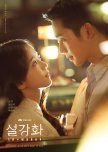
Snowdrop is a drama I wanted to love far more than I ultimately did. Jung Hae In’s performance is what carried the series for me — his portrayal of a man wrestling with impossible circumstances and moral turmoil felt grounded, human, and quietly devastating. His character’s internal conflict was one of the few elements that consistently landed, and I credit that more to Hae In’s skill than to the script itself.And that’s the heartbreaker here: the potential was right there. The show introduced weighty themes, significant ethical dilemmas, and a backdrop that could have supported a compelling, nuanced tragedy. But the narrative focus drifted. Instead of leaning into the story’s political and moral spine, it became increasingly bogged down by over-the-top side characters, cartoonishly scheming elites, and political caricatures that felt more like noise than narrative purpose. The result was a story that gestured at depth without fully delivering it.
The romance itself had sweetness and undeniable chemistry — you can’t deny the leads looked and felt lovely together. But the writing gave the female lead so little to stand on. After the opening episodes, she spent most of the story sobbing, stripped of agency, and gradually reduced to a narrative device meant to catalyze the male lead’s development. Her ambitions, motivations, and even relationships were systematically extinguished. By the end, the show had taken every good, meaningful person from her life… and then left her future completely unaddressed. No sense of resilience, no hope, not even a quiet assurance that she’d find her footing again. Just emptiness.
For a story meant to be tragic, this still felt strangely hollow — as if the emotional weight rested on a single character while everyone else was sacrificed without intention or payoff. And that, in turn, made the romance less compelling. If the love story is meant to anchor a tragedy, it needs a reason, a deeper resonance with the themes. But aside from highlighting the male lead’s moral conflict, the relationship never truly wove itself into the larger political narrative. It felt more symbolic than integrated.
In the end, Snowdrop isn’t awful — there are moments of beauty, tension, and sincerity — but it’s not something I’d rewatch. If you enjoy political thrillers, heavy tragedies, and star-crossed love stories, you may find it worthwhile. For me, it remains a drama filled with potential that slipped through its own fingers.
Was this review helpful to you?

This review may contain spoilers
A Slow Start That Blossoms into Something Beautiful
Welcome to Samdalri doesn’t show its full heart at first glance. The early episodes are intentionally quiet — even slow — as they set up the emotional weight of Jo Sam-dal’s fall from grace and the loneliness she carries beneath her confident façade. I’ll admit I struggled with the female lead in the beginning; she feels abrasive, exhausted, and buried under her own pride. But as the story unfolds, the drama gently peels back her layers, revealing her empathy, her childhood wounds, and the quiet tenderness she has always possessed. Once that shift happens, she becomes not only likeable, but incredibly endearing.The turning point for me was around the mid-series mark, when the show fully settles into Samdalri: the village rhythms, the healing arc, and the slow-blooming second-chance romance. From there, it becomes an absolute delight — warm, funny, comforting, and threaded with a sincerity that sneaks up on you. The chemistry between the leads grows naturally, grounded in years of shared history and unspoken longing, and the show lets their bond heal at its own gentle pace.
What surprised me most was how much I grew to adore every character in the ensemble. The Samdalri residents — from the childhood friends to the mothers, neighbors, and even the wonderfully chaotic aunties — bring so much life and charm to the world. For once, I didn’t feel tempted to skip any side plots. Each character adds something: humor, heart, or a small lesson about forgiveness, community, and the quiet strength of ordinary people.
But make no mistake — the male lead is the soul of this drama. Cho Yong-pil is written with a rare kind of consistency: steadfast, emotionally dependable, deeply compassionate, and quietly protective in a way that never feels overbearing. He is the kind of character who doesn’t just love with intensity — he loves with understanding. His reliability, patience, and unwavering heart give the entire story its emotional grounding. Every scene he’s in feels anchored, safe, and sincere. The man is a pure forest of green flags. 🌲🌳🌲🌳🌲🌳
The acting across the cast is ✨phenomenal✨, especially in the emotional beats surrounding reconciliation, burnout, and the attempt to reclaim a life after everything has collapsed. There’s something cathartic about watching two people rediscover themselves and each other in the place they once called home — like a warm cup of tea on a cold day.
By the end, Welcome to Samdalri becomes a truly wholesome healing drama. It delivers a heart-touching, happy ending that feels earned, not forced. The last episodes wrap everything with the perfect balance of closure and hope, making the journey incredibly satisfying.
If you can make it past the slower (and seemingly shallow) first few episodes, you’ll find a drama that’s tender, thought-provoking, comforting, and full of emotional richness. It’s a lovely ride — one that leaves you lighter than when you started.
Was this review helpful to you?

This review may contain spoilers
A Soft Romance That Finds Beauty in the Everyday
Evergreen Love is a film that understands its own quiet power — it doesn’t aim for epic drama or cinematic fireworks. Instead, it builds its romance from the humblest of materials: shared meals, ordinary routines, and the small shifts that happen when two lonely people slowly let their guard down and learn what companionship feels like in its most ordinary form.Sayaka begins the film caught in a loop: a humdrum office job, convenience-store lunches, lonely nights. She’s polite but invisible — the kind of person who drifts through life rather than living it. When she stumbles upon Itsuki collapsed outside her apartment and brings him in, what follows isn’t a sweeping love story but a gradual shift in her world.
The change in Sayaka is subtle but meaningful. Itsuki doesn’t transform her — he gently wakes her up. She starts noticing things, questioning the rut she’s been stuck in, choosing instead of simply accepting. She becomes braver in small, essential ways: standing up for herself, trying new things, and reconsidering what she truly wants from her life.
Itsuki never sweeps her off her feet; instead, he naturally invites her to see the world differently — through herbs, home-cooked meals, quiet mornings, and the small beauties she used to rush past. His presence brings warmth, but the film never idolizes him. He’s mysterious and a little unanchored, yet honest.
The way the film threads botany, cooking, and simple domestic rituals into their growing connection gives the romance richness through simplicity. The wild plants they gather, the dinners they share — these moments become gentle markers of rediscovery. You don’t just watch them fall in love; you watch one of them learn to taste life again, and the other — quietly — learn what it means to belong. That grounding in everyday detail gives the film sincerity.
Some plot points do require a slight suspension of disbelief. Certain aspects of their cohabitation and the mid-point separation feel idealized. But for me, it fits the film’s soft aesthetic and the quiet, fairy-tale-adjacent tone it’s aiming for. What matters most is this: this film isn’t built for fans of big twists or high-stakes drama. It doesn’t chase intensity or tragedy. If you’re open to a romance without chaos, without villains, without emotional theatrics — just a story that shows the ordinary healing that comes from being truly seen — then this film is quietly gorgeous.
Evergreen Love is ultimately a portrait of two people meeting at exactly the right moment and nudging each other gently back toward themselves. It’s modest, warm, soft, and simple yet insightful. A lovely film.
Was this review helpful to you?

A Little Story With a Luminous Soul
Two Lights: Relúmino is a short film that leaves a lasting warmth long after it ends. I found myself wishing it were longer, not because anything felt missing, but because it was so sincere, gentle, and beautifully told that I simply wanted to stay with it a little more.The story is meaningful without being heavy, following two visually impaired individuals who slowly open their worlds to each other. Their connection grows in the unlikeliest of places: a photography class where seeing is done not through perfect sight but through presence. The ML, newly impaired and still caught in the rawness of frustration, feels every limitation sharply. He hasn’t yet forgiven the world for changing without warning. The FL, however, has lived with these boundaries longer and wears her acceptance like a soft, well-used fabric — able to joke, to be playful, to meet the world with a gentler kind of courage. As they practice capturing moments by listening rather than looking, she becomes a quiet guide through a landscape he doesn’t yet know how to inhabit. And slowly, the distance between them begins to dissolve. The Relúmino device becomes more than assistive technology; it’s a quiet symbol of clarity, understanding, and the light we bring into one another’s lives.
The acting is subtle and deeply sincere, and despite the short runtime, I felt completely immersed. Even the side characters make an impression in just a few brief scenes. The cinematography is soft and intimate, the music understated and warm — together creating a tender atmosphere that suits the story perfectly.
It ends on a hopeful, satisfying note. Nothing feels rushed or unfinished, but the atmosphere is so comforting that you can’t help but wish it continued. It’s a simple film, but thoughtfully made, emotionally resonant, and quietly uplifting. I would love to see more full-length dramas crafted with this same sincerity and gentle artistry.
Was this review helpful to you?

This review may contain spoilers
Where Humor Meets Heartache in the Pursuit of Ordinary Dreams
Fight For My Way begins with an energy that’s infectious. The first half had me in stitches—sharp, clever, and genuinely laugh-out-loud funny. I never once felt the urge to skip ahead. The second half shifts into something softer and more sentimental, but the emotional weight only enriches the story. It trades pure comedy for sincerity, and it works.What makes this drama especially refreshing is that it follows ordinary people. Not trust-fund heirs, not prodigy CEOs or glamorous twenty-year-old doctors—but real adults with mediocre jobs, stalled careers, and the quiet despair of feeling left behind. These characters are stuck in the rat race, crushed under bills and expectations, and still trying to find the courage—or even the smallest opening—to chase the dreams they buried for practicality’s sake. That alone gives the drama a grounding and humanity that’s hard to resist.
Throughout, their near-misses, frustrations, and small triumphs feel painfully familiar. You root for their relationships, but even more, you root for their lives. The writing is honest, the humor perfectly timed, and the acting across the board is heartfelt and full of spirit.
That said, I did feel a clear imbalance in how the writing allocated its narrative weight. So much time and emotional momentum were funneled into Ko Dong-man’s dream and his long-standing grievance—not revenge exactly, but a desire to settle old wounds fairly in the only arena where he’s ever felt like himself. His arc is compelling, even moving, but because it becomes the spine of the latter half, the women’s arcs feel comparatively underfed.
Choi Ae-ra’s journey, while satisfying on paper, landed with less impact than I’d hoped. She fought so hard, chipped away at her insecurities, clawed her way past gatekeeping and belittlement — only for her final “win” to be a boxing-cage announcer gig. It fits the narrative thematically, yes, but for all her grit and persistence, I found myself wishing she’d landed a broadcasting or MC role that matched her ambition more fully. She deserved something that felt like a true arrival, not simply a foot in the door.
Baek Seol-hee’s arc left me even more conflicted. Her storyline is built on years of quiet sacrifice: the emotional labor, the longing for a family, the way she slowly shrinks within a relationship where she gives far more than she receives. All of this builds toward a genuinely powerful breaking point, when she finally stands up for herself, confronts the neglect she has tolerated for years, and chooses her own dignity over her long-term relationship with Kim Joo-man. It is one of the most resonant moments in the drama — she sacrifices the dream she has held tightly for the sake of her self-respect and boundaries, a painful but necessary step.
But the resolution the show offers in the final episode undercuts the power of that moment. Instead of allowing her to evolve into independence AND find a path toward motherhood on her own terms, the story hints that she drifts back toward Joo-man, despite the lines he crossed and the accountability he never adequately faced. Even if their love remained sincere, their ultimate ending weakens the arc she fought so hard to build.
Despite his sincerity, Joo-man fell painfully short for me. His obsession with having every part of his life in order before marriage kept him from choosing Seol-hee when it counted. There was nothing stopping them from building a life together—she was frugal, resourceful, and steady. She would have made anything work, yet he didn’t trust her enough to take that step. Love wasn’t the issue; loyalty was. For all his affection, he simply wasn’t husband material.
I desperately wanted Seol-hee’s ending to honor her strength. Instead, it stops just shy of the closure and sense of self-possession she deserved. I hoped she would step fully into her own — professionally and emotionally — but most especiall in her long awaited dream of motherhood. Yet the show barely gestures toward that possibility, let alone fulfills it. Of all the storylines, hers was the most disappointing to see resolved in this way. 😢
These shortcomings don’t erase the drama’s consistent charm or the emotional truth it captures, but they do leave a small mark. In a story so rooted in the everyday struggle to grow, survive, and dream, I found myself wishing the women’s arcs had been given the same fullness and finality Dong-man was afforded. Still, there is SO much that shines through despite this.
Dong-man’s coach, for one, was an absolute ✨ gem ✨— warm, quirky, funny, and unwavering in his faith in Dong-man. I adored every moment he was on screen.
Ultimately, Fight For My Way lands itself as a fun, warm, resonant story about friendship, love, resilience … and the messy work of clawing your way toward hope and the future you want — even when the world keeps telling you you’re too late!
Was this review helpful to you?
This review may contain spoilers
A Love That Outwits Every Storm
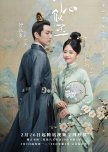
🧵Two Hearts, One Unbreakable ThreadThere are dramas one watches… and then there are dramas one wanders into, as though stepping gracefully through the silk-draped corridors of a different world. The Sword and the Brocade is the latter — a lush, embroidered tale where every stitch seems deliberate, every shadow holds a secret, and every quiet glance between the leads carries the weight of a hundred unspoken vows.
At its heart lies a power couple forged not through ease but through unceasing trials — the kind of trials that would shatter lesser people: vicious concubines with porcelain smiles, household politics sharp enough to draw blood, a mother-in-law whose unrelenting scrutiny presses on them like a slowly closing fist, and family honor that hovers like a sword above every moment of tenderness.
And yet… somehow… their endurance becomes alchemy, transforming every hardship into a deeper strength and a fiercer happiness.
🌿 A Male Lead Steadfast as Stone
He is the kind of man ancient poets would have written about:
loyal to the bone, upright even when it costs him dearly,
gentle in ways he doesn’t know how to express,
and burdened with a family’s weight he never asked to carry.
Wallace Chung plays him with a beautiful kind of restraint — all quiet storms and unspoken longing. Even when the world twists his circumstances into knots, his integrity never wavers. Not once. Not even when he and the female lead find themselves standing on opposite ends of a painful misunderstanding — the sort of rift that, in a lesser drama, would become a fatal blow.
But here, his devotion becomes a shield, fiercely guarding their bond from both the world’s storms and the shadows of their own fears.
🌸 A Female Lead Bright Enough to Outwit a Palace
And she — Seven Tan’s character — is luminous.
Not in a loud or boastful way, but in that subtle, intelligent brilliance that only grows sharper under pressure. She is clever without cruelty, principled without rigidity, and kind in ways that feel both rare and revolutionary. She faces injustices not with despair, but with strategy, discernment, and a deeply rooted wisdom that makes you want to cheer each time she quietly turns the tables.
She is the kind of woman who survives the impossible not by being hardened, but by being herself — wholly, intelligently, virtuously herself.
❤️🔥It Doesn’t Matter How Many Obstacles Appear — They Win Anyway
This story throws everything at them — literally. Scheming concubines, deadly politics, betrayals without warning, a mother-in-law whose disapproval feels like a curse issued by the heavens. At times, the obstacles stack themselves into towers so tall the tension feels almost unbearable … but despite the seeming endless misunderstandings, the main characters are both simply too mature to be thwarted and threatened by them in any real way. They both read each other with such clarity that nothing ever festers long enough to divide them.
And there lies the miracle of this drama:
They never stop choosing each other.
Not when secrets surface.
Not when loyalties are questioned.
Not even when duty forces them into painful opposition.
Her pragmatism becomes the sword;
his integrity becomes the shield;
together, they weather every storm with grace.
Even during the most stressful episodes — when it feels like their bond may fracture under the weight of external forces and perceived mistrust — neither ever truly doubts the other’s heart. They bend, but they do not break. And when the world demands they turn against each other, they do the opposite:
They protect what they’ve built.
🕊️A Story Rich as Brocade, Soft as Silk
Every detail is a marvel — the glowing lanterns, the shimmering embroidery of the costumes, the antique halls whispering of old wounds and older traditions. The cinematography is painterly, drenched in color and texture.
But it is the relationship — gentle, slow-burning, beautifully earned — that gives the drama its soul.
🌼 The Ending? Worth Every Moment
Long dramas often falter near their conclusion, but not this one. The ending is warm, rewarding, and deeply satisfying — the kind that unties every knot with care. By the final episode, you feel as though you’ve witnessed two people carve out a sanctuary for themselves in a world determined to deny them peace.
The Sword and the Brocade is not simply a drama — it is an intricate tapestry of loyalty, wisdom, suffering, triumph, and a love that refuses to yield. A love earned inch by inch. A love sharpened by trial. A love strengthened by the sheer refusal to betray one another, not even in the darkest hour.
For me?
It remains one of the finest stories I’ve ever watched.
✨ An absolute masterpiece embroidered with heart. ✨
Was this review helpful to you?
This review may contain spoilers
Simply Put: Nothing Beats Healer
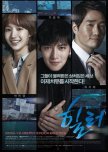
Healer is, without question, the drama that sets the bar for me — and no series since has managed to clear it. It is the show I use to introduce friends to K-dramas because it has everything: heart, suspense, romance, humor, mystery, social commentary, and characters so vividly constructed they feel permanently etched into your memory. It’s a unique series that seems to get everything right — tone, pacing, dialogue, chemistry, acting, and above all … ✨the writing.The premise alone is unforgettable: a clandestine night courier who moves like a shadow, a brilliant hacker ajumma supporting his every step, an eager detective hot on their trail, a star reporter wrestling with old ghosts and determined to uncover the truth, a scrappy entertainment journalist hustling for scoops until compassion pulls her into a case she never expected… and a conspiracy buried beneath decades of corruption, broken ideals, and long-silenced voices. It’s a clever blend of action, thriller, crime, conspiracy, investigative journalism, romcom, hacktivism, found family, and political intrigue — yet the series ties ALL these tones together with absolute precision.
~~~
Ji Chang-wook’s performance as Healer / Seo Jung-hoo is one of the most compelling character portrayals I’ve ever seen. He moves effortlessly between hardened, apathetic loner; vulnerable, wounded survivor; shy and awkward rookie reporter; and fierce protector. His growth — from someone who avoids human connection at all costs to someone who chooses love, justice, and community — is portrayed remarkably well.
Park Min-young’s spunky, warm-hearted Someday News reporter, Chae Young-shin, is equally phenomenal. A young woman shaped by childhood trauma yet raised with fierce devotion by the most unexpectedly wholesome adoptive family of reformed ex-criminals. Goofy, principled, bright, wily, resilient, endlessly empathetic — she’s full of that grounded, everyday courage that makes her impossible not to root for. Easily one of the best female leads ever rendered.
And her adoptive father? A gentle bear of a man whose protective love and gentle strength warm the heart. Part-time lawyer, part-time café owner, and full-time gem of a dad.
And then there’s Hacker Ajumma, one of the most iconic supporting characters in all of K-dramaland. 💅🏻 Brilliant, cynical, strangely maternal in her own chaotic way — her scenes elevate the ENTIRE show. She gives Healer an anchor and the audience a source of constant delight.
Equally unforgettable is Master … or Jung-hoo’s deeply ridiculous, deeply lovable martial arts teacher and mentor, whose arc ends in a punch of genuine heartbreak.
~~~
The chemistry between the main leads is 🔥 electric, tender, and deeply rooted in vulnerability and trust. This isn’t a couple built on tropes — it’s a relationship forged through unshakable loyalty, shared wounds, and shared defiance. The romance is as unforgettable as the series itself.
One of the most unexpectedly delightful parts of that romance is Healer’s undercover alter ego — his Clark-Kent-esque “rookie reporter” persona. Ji Chang-wook plays this duality with such 🤌🏼 mastery that you genuinely believe you’re watching two different versions of the same man trying (and frequently failing) to keep his worlds from colliding.
Watching Jung-hoo slip from lethal night courier to awkward, wide-eyed intern is pure gold. His shy stammering, his exaggerated politeness, the way he keeps sneaking glances at Young-shin while pretending to be invisible — it’s hilarious, disarming, and heartbreakingly sweet.
In this timid, bumbling alter ego, he gets to know Young-shin up close — without the usual armor, and she opens up to him in ways she never would with the mysterious courier she idolizes — and hilariously, she even turns him down for… well, him.
This dynamic sparks countless delightful little moments: the way he protects her in both identities without her knowing; the way he “plays along” with his own disguise, using it to shield her and ease her fears; the smirk he can’t quite hide when she charges in to “rescue” him from a scheme he himself orchestrated to help them both escape. These scenes are not just amusing — they’re some of the most romantic beats in all of drama-land, showcasing a timeless love story built on observation, fidelity, mutual healing… and just the right amount of undercover mischief.
>>>
The larger conspiracy — involving old friends, buried truths, corrupt media moguls, and the generational consequences of silence — is woven expertly in this script. Every subplot carries weight; there are no throwaway threads, no hollow detours. Even minor characters become crucial hinges in the larger narrative, each holding a fragment of the truth that reshapes everything when revealed.
What begins as a scattered set of mysteries slowly coheres into a single story fractured across decades, rooted most poignantly in the tragedy of Young-shin’s mother: a woman trapped in her own body and grief. Her accident, her paralysis, and the dangerous truth surrounding her daughter and past become the quiet axis around which every adult character turns. The friendships broken by loss, the betrayals born of fear, and the guilt carried in silence all bleed forward into the next generation.
What makes it remarkable is how the show grows outward and inward at the same time. The world expands — media corruption, political cover-ups, organized crime — yet the show never loses sight of the human cost: a mother frozen in sorrow, old friends fractured by tragedy and betrayal, and children unknowingly growing up inside the fallout of a war they never knew existed. As the conspiracy widens, the focus sharpens on the people trapped inside it. Somehow, the series manages to be both sprawling and intimate, a thriller rooted in love, loss, regret, and moral courage.
It’s the kind of storytelling that rewards you for paying attention — layered, deliberate, poignant, and haunting in all the right ways.
<<<
Now — I do have one lingering criticism, and it’s the same every rewatch: the ending deserved a bit more runway. The ending ultimately delivers the emotional satisfaction it promises, though it feels slightly rushed and would have benefited with more time to **fully** develop its final resolutions. I don’t normally petition for MORE (especially when the majority of k-drama scripts tend to drag something out unnecessarily), but because this world is so rich and these characters are so layered, a few additional episodes would have actually given certain arcs the space to resolve with the weight they deserved.
Specifically: Kim Moon-ho. His arc is powerful — the principled younger brother fighting against the very corruption that raised him — but his resolution feels undercooked. Especially considering how crucial his role was from the beginning.
Then add insult to injury by ultimately pairing him romantically with a female character who lacks spine, integrity, and any real moral courage? It never fit. Moon-ho deserved a partner whose values matched his own, someone who shared his conviction instead of shrinking from it.
But this flaw doesn’t dent the series in any meaningful way. It’s a minor bruise on an otherwise flawless work.
Because everything else? Basically perfect.
The concept is fresh and unique, without losing entertainment value.
The world-building is textured and immersive.
The action sequences are choreographed with care.
The emotional beats land with depth.
The humor is natural.
The dialogue is sharp and full of heart.
The themes — truth, justice, legacy, healing — are timeless.
The romance is grounded, intimate, and tender.
The chemistry is effortless.
The arcs are satisfying and thoughtfully constructed.
The acting is layered and memorable.
The storytelling is gripping and complex, without losing clarity.
The vibe is retro and classic, with *just* enough camp to capture a nostalgic charm.
It remains my #1 for a reason.
Nothing has matched its balance of intrigue, romance, world-building, and emotional payoff. If someone asks me where to begin their drama journey, my answer is always the same: start with Healer — just prepare to chase that high for years!!
Was this review helpful to you?
This review may contain spoilers
A Lullaby for the Lonely Parts of the Heart
A Piece of Your Mind feels less like a drama and more like a soft exhale — a quiet, poetic companion for anyone carrying grief, loneliness, or unspoken feelings. It’s gentle in a way most shows aren’t anymore: slow, meditative, and comforting. I felt genuinely at ease watching it, as if the series itself wanted to tuck my anxiety into bed and tell it to rest.It has that rare cinematic quietude — a soft, minimalist, almost art-house style where every frame feels like a whispered memory and every silence feels intentional. The muted palette, the lingering shots, the way light and sound are used to cradle emotion… it all creates a world that invites you to breathe a little deeper.
The story unfolds with patience, exploring healing through small gestures rather than dramatic twists. The occupations — sound engineer, gardener, archivist, programmer, pianist — give the show an artistic, almost tactile quality. Everything feels tender and human.
This is also a drama that is not meant for every viewer. Its rhythm is contemplative rather than plot-driven, and the emotional revelations come slowly, like sunlight shifting across a room. It approaches grief and loneliness from an unusually philosophical angle. Instead of dramatizing pain, it studies it — the way regret echoes through a life, the way silence becomes a language, the way people try to carry memories they don’t yet understand. It feels, at times, more like an independent film crafted for a festival audience: symbolic, atmospheric, and rich with meaning.
The relationship between Ha Won and Soo Bin reflects this pace. Theirs is not a typical romance but a soft and gradual convergence of two people learning to carry their grief differently. Their bond grows not through dramatic declarations but through quiet companionship — walking, listening, sharing silences, understanding each other’s scars without pressing.
Their healing is slow, fragile, and beautifully rendered. It’s not about “fixing” each other — it’s about holding space for the truths they’ve hidden even from themselves. Their connection becomes a quiet reconciliation with their own pasts.
This is why the drama resonates so deeply: it’s a tapestry of broken people trying to understand themselves, and unknowingly healing each other in the process.
What sets the series apart is its exploration of grief through sound and artificial intelligence — a surprisingly thoughtful angle. The attempt to recreate a person through AI becomes a metaphor for memory itself: how one defining truth, once uncovered, can illuminate an entire life. Each revelation becomes a layer peeled back, revealing more of who these characters were, who they are, and who they might become if they finally stop running from the past. As the narrative unravels, it grows richer, more intimate, and more emotionally resonant. Even when certain attitudes among the characters frustrated me, I still appreciated the honesty behind them. These characters are flawed, grieving people who act imperfectly, and the drama does not shy away from showing that complexity.
For all its beauty, there was one thorn under my skin: the way the narrative treats Ji Soo’s husband, In Wook. The grief he carries is raw and suffocating — the kind that eats a person alive from the inside. His youthful mistake changed lives, and he has punished himself every day since.
And yet… almost no one shows him grace.
He reacts very poorly at times, yes — but not out of cruelty. Out of a heart that cannot forgive itself. Out of regret that has nowhere to go. He is a grieving spouse, haunted by tragedy and longing for closure, yet nearly everyone treats him as if he has no right to seek peace let alone mourn the loss of his own wife. Only the sweet niece recognizes his humanity (bless her!).
Conversely, Ji Soo appears gentle and warm, yet she is deeply flawed in ways that quietly shape and strain the entire emotional landscape of the story. Her avoidance and silence prolong the suffering of those who loved her most. She becomes a figure suspended between her own guilt and the fear of confronting the people she hurt, and while understandable, her inaction ripples outward, affecting both her husband and Ha Won. Yet everyone around her leaps to her defense as if her gentleness excuses the harm her silence created — to her husband most of all. It was a relief when the story finally offered this clarity and release, allowing each character to breathe again.
Thankfully, despite these frustrations, the emotional knots do loosen. Characters do soften. Each thread ties off in a meaningful way …in time. And the drama lands with surprising gentleness. Ha Won’s quiet steadiness, Soo Bin’s sincere attempts to live truthfully, In Wook’s raw and difficult journey toward forgiveness and surrender, and the warm sincerity of the niece all converge into a narrative that is thoughtful and intuitive. By the final episodes, the threads of grief, memory, guilt, and healing weave together into a conclusion that is quietly profound. 🕊️
This is not a typical kdrama, nor does it aspire to be. It moves like a quiet, artistic meditation through the inner landscapes of the heart, giving the audience room to reflect, to breathe, and to heal in step with its characters. Its imperfections feel purposeful, even instructive. What emerges is a rare, tender, contemplative piece that stays with you long after the final frame.
Was this review helpful to you?

This review may contain spoilers
From Hokkaido’s Pastures to Hand-Drawn Dreams: A Spirited Story That Feels Ghibli-Inspired
Natsuzora is a cheerful and quietly heroic story — bright, resilient, and filled with that particular warmth Japanese asadoras do so well. It has the wholesome, hearth-and-home feeling of Little House on the Prairie, but with a distinctly Ghibli-esque heart: the devotion to craft, the reverence for nature, the blend of innocence and ambition, and the way small moments shimmer with meaning.At its center is Natsu, a war orphan who begins life abandoned, displaced, and carrying far more loneliness than any child should. When she is taken in by her late father’s comrade and his wife, she enters a new world — a sprawling farm in Hokkaido, brimming with life, livestock, and hard work. She is technically an outsider, a guest who doesn’t quite belong, but the series makes her journey toward belonging one of its most endearing threads.
The brusque, no-nonsense grandfather becomes the unlikely anchor of her childhood. He understands her in a way no one else does — her pride, her hidden ache, her eagerness to pull her weight. He gives her exactly what she needs: a place to put her hands to work, a role that empowers her instead of pitying her, a chance to build strength rather than feel like a burden. He is a pioneer at heart, and he recognizes the same grit in Natsu. Watching the two of them work side by side — taciturn guardian and scrappy little orphan — is unexpectedly moving.
The entire family that adopts her is endearing: the affectionate mother, the steady father, the schoolmates who shift from teasing to friendship, even the snotty sister who, in her own prickly way, grows on you. The early episodes on the farm are some of the warmest and most comforting, filled with blue skies, barn chores, and the slow weaving of a chosen family.
But Natsu’s life is not meant to remain on the farm. As she grows older, she discovers a deep, breathtaking passion for drawing and animation — a spark lit by the childhood friend who becomes her first love, an artist with a soul as wide as the Hokkaido fields. Their bond is one of the loveliest threads in the series, a gentle, long-rooted affection shaped by shared loss and shared dreams. Yet they are fated for different paths. He chooses to remain on the land, determined to protect the farm built through hardship and love. She chooses to pursue her craft in the city, pulled by a calling she cannot ignore. They wait for each other for a while, but their lives move in opposite directions. It is tender, bittersweet, and all too human — one of the quiet heartbreaks of the show.
Once Natsu leaves for the city, the story unfolds into something entirely new. She enters the world of animation — a male-dominated industry — and must claw her way forward, frame by frame. She finds lodging with an eccentric former actress who gives her not just a place to sleep, but clothes, guidance, and connection. In the process, Natsu also discovers pieces of her long-lost family, most notably her brother, who had lived with this same actress before her. The city brings new colleagues, mentors, challenges, and friendships. The series does a wonderful job immersing the audience in the painstaking labor behind animation — the exhaustion, the joy, the collaboration, the heartbreak when projects fall apart, and the triumph when they succeed. There are moments that genuinely feel like watching the birth of a Ghibli-like world.
She eventually marries a clumsy, gentle, idealistic director — a sweet man, though undeniably less magnetic than her first love. Their marriage is tender in its own right, but it’s impossible not to feel a pang for the path not taken, the boy who inspired her art and shaped her very first dreams.
There is indeed a lot happening in Natsuzora, because it traces not just a romance or a career arc, but a full life — its losses, its reinventions, its chosen families, and the courage it takes to follow a calling even when it breaks your heart a little.
My heart still cracks for the love she didn’t choose, and for the one who didn’t get to grow old.
Yet Natsuzora remains something gentle and uplifting, a tale of resilience painted in soft colors. It’s long, and you have to be in the right mood for its steady rhythm, but it is filled with sweetness, endurance, and the kind of spirit that reminds you how many ways there are to build a life worth living. 🩵
Was this review helpful to you?
Cinderella in Seoul — A Sweet Royal Rom-Com Ride
This series was my first real intro to the world of dramas — and the one that completely pulled me in. On the surface, it’s a cute, comforting fairy-tale: an ordinary college student, Lee Seol, suddenly discovers she’s actually royalty — a princess, the great-granddaughter of Korea’s last Emperor.Thrown into a life of palaces, etiquette, and public scrutiny, she’s guided by Park Hae‑young, a chaebol-heir-turned-mentor who must teach her everything from royal protocol to public appearances. What starts as a guardianship quickly blossoms into something more — and their evolving relationship, full of playful banter, awkward misunderstandings, and tender moments, is what made the show special for me.
Lee Seol herself is a big part of that charm. She’s a lonely orphan who’s learned to take life as it comes — someone who bounces back with humor, daydreams, and an upbeat, slightly chaotic spirit that brightens even the most absurd situations. Watching her stumble, scramble, and shine her way through this unexpected royal identity is half the fun.
Now… the background music. It genuinely sounds like something a kid recorded on an old keyboard they dug out of the attic. Not exactly a cinematic triumph. And although Lee Seol longs to restore the monarchy and honor her heritage, the story doesn’t always give her the platform or support that ambition deserves; sometimes the comedy overshadows her purpose.
But if you can look past the bootleg soundtrack and the melodramatic spikes, there’s a surprisingly thoughtful little story underneath. One of the reasons I kept revisiting this drama was the dialogue. Every now and then, the script drops these unexpectedly profound lines — little “wisdom bombs” that make you pause. The writer had a subtle way of expressing deeper truths through everyday moments.
Still, the real heart of the show lies in the dynamic between the leads. Their banter, timing, and playful back-and-forth carry the entire series. It’s campy, for sure, but they somehow make it work, turning a simple Cinderella-style premise into something warm, engaging, and genuinely sweet.
Was this review helpful to you?
This review may contain spoilers
Where Cinema Becomes Compassion — A Tender, Time-Bending Gem
Orange is a rare and unique cinematic experience that slips into your heart so quietly that you don’t even realize how deeply it has settled until the tears arrive. I was genuinely stunned by how beautifully this story unfolds — not with spectacle or drama, but with gentleness, patience, and a sincerity that feels almost disarming in today’s world.What begins as a soft, nostalgic high-school tale slowly reveals itself to be something far more profound: a meditation on regret, friendship, and the fragile weight of a single life. The story never rushes. It breathes. It invites you in with small details — a glance, a hesitation, a letter written with a trembling hope — and before you know it, you’re holding your breath along with these characters, hoping desperately that time might bend just enough to save someone they all love.
The romance between Naho and Kakeru is tender and understated, but beautifully real. What moved me most is how the film honors the ordinary moments — walking home together, sharing a lunch, small kindnesses that seem insignificant at the time, yet become everything in hindsight. That is the beating heart of Orange: the truth that the tiniest choices can soften someone’s loneliness… or accidentally deepen it. And how unbearable it can feel when we realize, too late, that we could have done more.
The performances are exceptional — achingly honest without ever slipping into melodrama. The actors carry their characters’ hopes, guilt, and longing with a quiet, lived-in naturalism that gives every emotion weight. And the film’s pacing — slow, careful, beautifully restrained — mirrors the way real grief expands and contracts through memory.
What impressed me most, though, is how thoughtfully the film handles its subject matter. It approaches depression and loss with almost reverent sensitivity. There is no exploitation, no cheap emotional manipulation. Instead, we are shown how deeply a small moment of compassion can matter… and how life-changing it can be when people decide to reach toward one another rather than away.
By the time the story completes its delicate arc, you realize you’ve witnessed something more than a romance. You’ve witnessed a group of friends choosing to rewrite their own cowardice and regrets into something brave and hopeful. Choosing to love someone so fully that even time itself is asked to give him another chance.
It’s cathartic. It’s tender. It’s haunting and hopeful in the same breath.
Bring tissues — not because the film is cruel or tragic, but because it’s unforgettably human and healing. Because honesty like this always finds a way to touch the deepest parts of you.
✨ A quiet masterpiece. ✨
Was this review helpful to you?

This review may contain spoilers
Youthful, Wholesome, and Endearingly Campy
Good Morning Call embraces every classic trope of a Japanese high-school rom-com — the awkwardness, the overreactions, the innocent longing — and somehow turns it into something genuinely sweet. It’s undeniably campy, occasionally ridiculous, and absolutely leaning into its tween-friendly tone… but that’s also where its charm lies.The female lead is the heart of the show. She’s bright, kind, earnest to a fault — the kind of girl who feels everything deeply and expresses it without filters. Her goofiness is often exaggerated for humor, and sometimes the drama pushes it too far (even leaning into full caricature), but beneath all the silliness is a sincere, soft-hearted character trying her best to navigate first love without losing herself.
Opposite her is the male lead, whose frosty exterior and self-centered habits make him hard to like at first. He’s cold, awkward, and hopeless at emotional expression — not cruel, just reserved and overly pragmatic in a way that comes off harsher than he means. The show doesn’t excuse his behavior, nor does it pretend it’s ideal; instead, it slowly unravels the truth that he’s clumsy in his own way… a typical teenage boy painfully afraid to be vulnerable and quietly learning how to care.
Second-male lead syndrome was nearly unavoidable, because Daichi is so kind, gentle, and consistently thoughtful toward Nao. His warmth is the calm, steady counterpoint to the Uehara’s prickly pride, and it’s hard not to wonder what if every time he shows up. Their connection feels safe in a way the main pairing never does. And the same can be said for the ramen-shop boy Itchan in the second half. He brings another wave of that straightforward, quietly attentive energy that the male lead just does not have on tap.
But in a sense, that’s part of the charm of this drama. What does work beautifully for the main couple is how they change each other. Her warmth and passion draws him out; his logic and steadiness gives her a place to grow. Their dynamic is messy, young, and unpolished — exactly as high-school love should be. The missteps and immaturities are part of the point, and the small ways they soften for one another make the journey surprisingly sweet.
Chemistry isn’t always about the safest match — sometimes it’s about stumbling, misunderstanding, and growing side by side. And as much as Daichi sets the bar with his quiet devotion, I still understood why her heart went where it did. Though, let’s be REAL… without Daichi acting as the emotional shock absorber half the time, those two might never have figured it out. Uehara’s pride nearly sank the ship more than once. 🤷🏼♀️
It’s cute. It’s wholesome. It’s very, very high school. And despite all its camp, there’s real heart tucked between the exaggerated reactions and the teenage melodrama.
Not a perfect series, but definitely a charming one.
Was this review helpful to you?

This review may contain spoilers
A Gentle, Uplifting Drama That Blossoms at Its Own Pace and Far Outshines Its Reputation
My Boss is one of those romcoms that quietly wins you over before you even realize how deeply you’ve settled into its rhythm. It doesn’t chase shock value, it doesn’t force conflict, and it never tries to be bigger than it is. Instead, it leans into sincerity, charm, and genuinely well-drawn characters — and for me, that made it unforgettable.A lot of viewer criticism circles around the male lead’s personality in the beginning: the overbearing CEO trope, the bluntness, the impossible standards. But what many dismiss as “unlikable” is actually the starting point of one of the more thoughtful arcs I’ve seen in a modern Chinese romcom. He doesn’t just soften because he falls in love; he grows because he’s confronted with someone who challenges his worldview, mirrors his flaws back to him, and still treats him with honesty. His 180° flip doesn’t feel cheap — it feels earned, and grounded in the right reasons. As it turns out, he has some VERY admirable qualities beneath the rough edges.
And the female lead? She’s an absolute delight — adorable, principled, and with a Lucille Ball–esque knack for physical comedy, but done in the cutest and most relaxed way. She brings warmth, honesty, and a groundedness that balances the ML beautifully. One of the things that makes My Boss feel so refreshing is how it treats her workplace storyline with real respect. We actually get to see her career growth in a realistic, grounded way. She doesn’t compromise her values or who she is, even when challenged, but she learns to strategize, adapt, and advocate for herself. Watching her gain confidence and step into her own authority was deeply satisfying; by the end, she’s not just a romcom heroine — she’s a legitimate boss in her own right, and she earns it in a believable, rewarding way.
And I absolutely have to highlight the side characters. In so many workplace romcoms — even ones I adore like Secretary Kim — the supporting cast can feel like clutter. My Boss is the rare exception where every single side character is genuinely adorable. They’re hilarious without being overbearing, warm without being saccharine, and each one adds something meaningful to the story rather than distracting from it. Some of them ended up being my favorite characters of the entire series. I didn’t dread a single subplot; I looked forward to all of them.
It’s a light show with a good amount of fluff, but it also addresses workplace and life topics with surprising clarity. It never gets too heavy, but it doesn’t stay superficial either — it finds that perfect middle ground where you feel good watching it, yet still walk away with something meaningful.
There were a few moments that dragged a bit writing-wise, but overall, the show was completely worthwhile. And the ending? One of the most satisfying I’ve seen. No rushed finale, no abrupt tonal shift — just a warm, realistic, well-earned conclusion that ties everything together well.
I watched this while sick and recovering from surgery, and it was the perfect companion — soothing, funny, engaging, and uplifting. It kept my mind off the pain, and honestly, it lifted my spirits in a way I didn’t expect. I have already rewatched it multiple times since.
I genuinely don’t understand the poor reviews for this one. It has heart. It has charm. It has characters who actually grow. And it even rivals (possibly even surpassing) some of my longtime workplace romcom favorites, including What’s Wrong With Secretary Kim — which is saying something!
If you want a business romcom that’s cute and respectable, light and grounded, fluffy yet thoughtful — My Boss is absolutely worth every minute.
Was this review helpful to you?
Warm Tones, Warm Hearts, and Perfectly Low-Stress
Perfect and Casual has the gentle warmth of a spring sun shower — soft, refreshing, and quietly uplifting. The warm green palette, the mellow lofi-esque soundtrack, and the steady, unhurried pacing create a world that feels calming from the very first episode. It’s the kind of drama that settles around you like a cozy sweater: clean, simple, and pleasant.The story uses the familiar “contract marriage” trope, but handles it with more restraint and sincerity than most. Nothing feels chaotic or gimmicky. The female lead can be a little whiny and childish in the beginning, and the male lead comes across pretty blunt and nerdy, but both impressions fade as the characters deepen. She grows into someone more capable and grounded, while his cold exterior melts into something awkwardly tender. Their romance unfolds quietly — through small routines, unexpected softness, and the comfort of everyday companionship.
Grandpa remains the heart of the show, with his scheming warmth and gentle meddling. He brings humor and emotional grounding in equal measure, and there’s a steady, old-soul wisdom in the way he nudges the leads toward growth without ever stealing the spotlight. His affection is the quiet thread that holds the story together.
The side couple, on the other hand, is a bit of a chaotic mess. They add energy, but not always in a way that feels cohesive. Still, their presence gives the story some texture, even if it’s not exactly a highlight.
Simply put: it isn’t groundbreaking, but it’s exactly the kind of cutesy comfort one reaches for on a quiet day. A few scenes linger longer than they need to, and some conflicts tie up too neatly for my taste, yet the overall experience remains warm, soothing, and pleasantly unhurried.
Was this review helpful to you?


