
 K-Drama




This review may contain spoilers
A Lullaby for the Lonely Parts of the Heart
A Piece of Your Mind feels less like a drama and more like a soft exhale — a quiet, poetic companion for anyone carrying grief, loneliness, or unspoken feelings. It’s gentle in a way most shows aren’t anymore: slow, meditative, and comforting. I felt genuinely at ease watching it, as if the series itself wanted to tuck my anxiety into bed and tell it to rest.
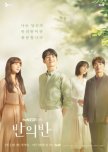
It has that rare cinematic quietude — a soft, minimalist, almost art-house style where every frame feels like a whispered memory and every silence feels intentional. The muted palette, the lingering shots, the way light and sound are used to cradle emotion… it all creates a world that invites you to breathe a little deeper.
The story unfolds with patience, exploring healing through small gestures rather than dramatic twists. The occupations — sound engineer, gardener, archivist, programmer, pianist — give the show an artistic, almost tactile quality. Everything feels tender and human.
This is also a drama that is not meant for every viewer. Its rhythm is contemplative rather than plot-driven, and the emotional revelations come slowly, like sunlight shifting across a room. It approaches grief and loneliness from an unusually philosophical angle. Instead of dramatizing pain, it studies it — the way regret echoes through a life, the way silence becomes a language, the way people try to carry memories they don’t yet understand. It feels, at times, more like an independent film crafted for a festival audience: symbolic, atmospheric, and rich with meaning.
The relationship between Ha Won and Soo Bin reflects this pace. Theirs is not a typical romance but a soft and gradual convergence of two people learning to carry their grief differently. Their bond grows not through dramatic declarations but through quiet companionship — walking, listening, sharing silences, understanding each other’s scars without pressing.
Their healing is slow, fragile, and beautifully rendered. It’s not about “fixing” each other — it’s about holding space for the truths they’ve hidden even from themselves. Their connection becomes a quiet reconciliation with their own pasts.
This is why the drama resonates so deeply: it’s a tapestry of broken people trying to understand themselves, and unknowingly healing each other in the process.
What sets the series apart is its exploration of grief through sound and artificial intelligence — a surprisingly thoughtful angle. The attempt to recreate a person through AI becomes a metaphor for memory itself: how one defining truth, once uncovered, can illuminate an entire life. Each revelation becomes a layer peeled back, revealing more of who these characters were, who they are, and who they might become if they finally stop running from the past. As the narrative unravels, it grows richer, more intimate, and more emotionally resonant. Even when certain attitudes among the characters frustrated me, I still appreciated the honesty behind them. These characters are flawed, grieving people who act imperfectly, and the drama does not shy away from showing that complexity.
For all its beauty, there was one thorn under my skin: the way the narrative treats Ji Soo’s husband, In Wook. The grief he carries is raw and suffocating — the kind that eats a person alive from the inside. His youthful mistake changed lives, and he has punished himself every day since.
And yet… almost no one shows him grace.
He reacts very poorly at times, yes — but not out of cruelty. Out of a heart that cannot forgive itself. Out of regret that has nowhere to go. He is a grieving spouse, haunted by tragedy and longing for closure, yet nearly everyone treats him as if he has no right to seek peace let alone mourn the loss of his own wife. Only the sweet niece recognizes his humanity (bless her!).
Conversely, Ji Soo appears gentle and warm, yet she is deeply flawed in ways that quietly shape and strain the entire emotional landscape of the story. Her avoidance and silence prolong the suffering of those who loved her most. She becomes a figure suspended between her own guilt and the fear of confronting the people she hurt, and while understandable, her inaction ripples outward, affecting both her husband and Ha Won. Yet everyone around her leaps to her defense as if her gentleness excuses the harm her silence created — to her husband most of all. It was a relief when the story finally offered this clarity and release, allowing each character to breathe again.
Thankfully, despite these frustrations, the emotional knots do loosen. Characters do soften. Each thread ties off in a meaningful way …in time. And the drama lands with surprising gentleness. Ha Won’s quiet steadiness, Soo Bin’s sincere attempts to live truthfully, In Wook’s raw and difficult journey toward forgiveness and surrender, and the warm sincerity of the niece all converge into a narrative that is thoughtful and intuitive. By the final episodes, the threads of grief, memory, guilt, and healing weave together into a conclusion that is quietly profound. 🕊️
This is not a typical kdrama, nor does it aspire to be. It moves like a quiet, artistic meditation through the inner landscapes of the heart, giving the audience room to reflect, to breathe, and to heal in step with its characters. Its imperfections feel purposeful, even instructive. What emerges is a rare, tender, contemplative piece that stays with you long after the final frame.
It has that rare cinematic quietude — a soft, minimalist, almost art-house style where every frame feels like a whispered memory and every silence feels intentional. The muted palette, the lingering shots, the way light and sound are used to cradle emotion… it all creates a world that invites you to breathe a little deeper.
The story unfolds with patience, exploring healing through small gestures rather than dramatic twists. The occupations — sound engineer, gardener, archivist, programmer, pianist — give the show an artistic, almost tactile quality. Everything feels tender and human.
This is also a drama that is not meant for every viewer. Its rhythm is contemplative rather than plot-driven, and the emotional revelations come slowly, like sunlight shifting across a room. It approaches grief and loneliness from an unusually philosophical angle. Instead of dramatizing pain, it studies it — the way regret echoes through a life, the way silence becomes a language, the way people try to carry memories they don’t yet understand. It feels, at times, more like an independent film crafted for a festival audience: symbolic, atmospheric, and rich with meaning.
The relationship between Ha Won and Soo Bin reflects this pace. Theirs is not a typical romance but a soft and gradual convergence of two people learning to carry their grief differently. Their bond grows not through dramatic declarations but through quiet companionship — walking, listening, sharing silences, understanding each other’s scars without pressing.
Their healing is slow, fragile, and beautifully rendered. It’s not about “fixing” each other — it’s about holding space for the truths they’ve hidden even from themselves. Their connection becomes a quiet reconciliation with their own pasts.
This is why the drama resonates so deeply: it’s a tapestry of broken people trying to understand themselves, and unknowingly healing each other in the process.
What sets the series apart is its exploration of grief through sound and artificial intelligence — a surprisingly thoughtful angle. The attempt to recreate a person through AI becomes a metaphor for memory itself: how one defining truth, once uncovered, can illuminate an entire life. Each revelation becomes a layer peeled back, revealing more of who these characters were, who they are, and who they might become if they finally stop running from the past. As the narrative unravels, it grows richer, more intimate, and more emotionally resonant. Even when certain attitudes among the characters frustrated me, I still appreciated the honesty behind them. These characters are flawed, grieving people who act imperfectly, and the drama does not shy away from showing that complexity.
For all its beauty, there was one thorn under my skin: the way the narrative treats Ji Soo’s husband, In Wook. The grief he carries is raw and suffocating — the kind that eats a person alive from the inside. His youthful mistake changed lives, and he has punished himself every day since.
And yet… almost no one shows him grace.
He reacts very poorly at times, yes — but not out of cruelty. Out of a heart that cannot forgive itself. Out of regret that has nowhere to go. He is a grieving spouse, haunted by tragedy and longing for closure, yet nearly everyone treats him as if he has no right to seek peace let alone mourn the loss of his own wife. Only the sweet niece recognizes his humanity (bless her!).
Conversely, Ji Soo appears gentle and warm, yet she is deeply flawed in ways that quietly shape and strain the entire emotional landscape of the story. Her avoidance and silence prolong the suffering of those who loved her most. She becomes a figure suspended between her own guilt and the fear of confronting the people she hurt, and while understandable, her inaction ripples outward, affecting both her husband and Ha Won. Yet everyone around her leaps to her defense as if her gentleness excuses the harm her silence created — to her husband most of all. It was a relief when the story finally offered this clarity and release, allowing each character to breathe again.
Thankfully, despite these frustrations, the emotional knots do loosen. Characters do soften. Each thread ties off in a meaningful way …in time. And the drama lands with surprising gentleness. Ha Won’s quiet steadiness, Soo Bin’s sincere attempts to live truthfully, In Wook’s raw and difficult journey toward forgiveness and surrender, and the warm sincerity of the niece all converge into a narrative that is thoughtful and intuitive. By the final episodes, the threads of grief, memory, guilt, and healing weave together into a conclusion that is quietly profound. 🕊️
This is not a typical kdrama, nor does it aspire to be. It moves like a quiet, artistic meditation through the inner landscapes of the heart, giving the audience room to reflect, to breathe, and to heal in step with its characters. Its imperfections feel purposeful, even instructive. What emerges is a rare, tender, contemplative piece that stays with you long after the final frame.
Was this review helpful to you?


