
 News
News 


 2
2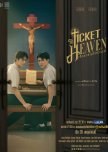
This review may contain spoilers
A Story of Faith, Love, and Self-Acceptance
If you are looking for:
- a love story shaped by faith, guilt, and healing
- strong acting with layered emotional performances
- beautiful cinematography and a grounded emotional tone
- thoughtful themes of devotion, identity, and self-acceptance
then this series is perfect for you!
=============
Things I like
=============
(1) The acting
The performances in this series are superb. The growth that Fourth Nattawat and Gemini Norawit have shown since My Love Mix-Up TH is very apparent here. With a strong script and solid direction behind them, both actors are able to carry the story with much more emotional depth and complexity, especially in a series like this where so much depends on conveying inner conflict that may not be easy for every viewer to personally relate to.
Fourth Nattawat is impressive in the more introspective scenes, where little or no dialogue is needed. His body language and facial expressions carry complex emotional moments with remarkable control, and he makes Tanrak’s inner world feel believable even in silence. I can easily see him doing very well in theatre or films in the future. That said, Gemini Norawit still takes the cake for me when it comes to the single best acting moment, in the scene with his mother in prison. That scene had so much emotional force, and he handled it beautifully.
(2) Barth and Tanrak feel like gifts sent to each other
What I find beautiful about this story is how Barth and Tanrak feel almost like gifts sent to each other at the right time.
For Tanrak, Barth feels like a gift from God. Having grown up without much loving care from his parents, Barth becomes a source of love that is steady, sincere, and unyielding. He gives Tanrak the kind of warmth and acceptance that he has been missing for so long.
At the same time, Tanrak feels like a gift from God to Barth. After losing faith because of the abuse caused by his father and the pain surrounding his family situation, Barth meets someone who is deeply devoted yet gentle, and through Tanrak, he is reminded that God can still be kind and loving.
That is what makes their relationship feel poetic to me. They are not just lovers who happened to meet, but two people who arrive in each other’s lives carrying exactly what the other has lost, reminding us that the right person can still find their way to us.
(3) The cinematography
This is another strong point of the series. The framing consistently knows where the viewer’s attention should go, so the emotional focus of each scene comes through clearly without unnecessary distractions. The scenery and backgrounds are also used well, and the color palette adds a lot to the mood without ever feeling too heavy-handed.
I also appreciate that the series shows restraint with product placement. There are a couple of moments where it appears, but they never pull me out of the story too much. For a series with this kind of emotional tone, that restraint makes a difference.
============================
Things I wish were different
============================
(1) Tanrak’s inner struggle needed more weight
What I found interesting about Tanrak is that his conflict never really felt like a simple choice between God and Barth. If anything, the series shows that he wants both. He continues to carry his faith with sincerity, while also loving Barth fully and naturally. The way he keeps their notes in the Bible and shares sacred objects with Barth makes it feel less like he sees love as a betrayal of faith, and more like he is trying to hold both parts of himself together.
The final episode does make it clear that this burden never fully leaves him, and I appreciate that the series acknowledges he has not completely forgiven himself. That said, I still wish the emotional and spiritual weight of that struggle had been felt more strongly throughout the journey. Since Christianity shaped so much of Tanrak’s life into adulthood, I expected more sustained pressure, guilt, and inner turmoil around what it means to choose love while stepping away from the path that once defined him.
(2) More time for the story to breathe
This is less a complaint and more a personal wish, but I think this story could have benefited from two or three more episodes. The series already has strong emotional material, and a little more time would have helped flesh out the character arcs in a fuller way, especially for moments and details that were omitted from the novel. I would have liked more space for the “getting to know each other” phase, because at times both of them seem almost starstruck from the moment they meet. A slower build there would have made the emotional progression feel even richer.
The time skip also leaves some important parts of Tanrak’s journey more implied than shown. While some of it is addressed through later conversations, the audience is still left guessing about the depth and shape of his devotion to God during those missing years. That feels important, because his life in Magdalene House shaped him deeply, yet the life he eventually builds with Barth spans an even longer stretch of time. Without seeing more of that transition, it becomes harder to fully grasp how faith, guilt, love, and identity continued to live together inside him across the years.
===========
Best scenes
===========
(1) Barth visiting his mother in prison
One of the best scenes in the series for me is Barth visiting his mother in prison. On the surface, it is already emotionally powerful, but what makes it stay with me is how much it reveals about Barth’s heart. This is the moment where we can really feel how battered both Barth and his mother have been by life, and yet neither of them has fully let go of the other. There is still love, tenderness, and hope between them, even after everything they have suffered.
What makes the scene even more meaningful is that it also becomes part of Barth’s spiritual journey. Through that moment, we see him slowly begin to trust God again and open himself back up to prayer. That shift is handled in a very moving way, because it does not feel sudden or exaggerated. It feels like the beginning of healing. For me, this scene is one of the clearest examples of how Ticket to Heaven ties love, pain, and faith together so beautifully.
(2) The line that says it all
Auntie Lek (the MVP) delivers the line that feels like the main takeaway of the entire series: that you can love God and yourself without having to sacrifice one for the other. That single moment captures the heart of Ticket to Heaven so clearly that it hardly needs any further explanation.
=========
Takeaways
=========
When this project was first announced, I was a little skeptical about whether it could strike a good balance between the core lessons of Christianity and a story centered on homosexuality. In the end, I think the series handled that balance with a great deal of grace and care.
Director Aof Noppharnach already has a strong track record when it comes to delivering thoughtful BL stories, and this series is another solid example of that. It is sincere, emotionally grounded, and careful with the themes it chooses to carry. Fourth Nattawat and Gemini Norawit have also grown a lot as actors, and this series makes that growth very clear. I look forward to seeing what both of them do next, and hopefully one day on the big screen as well.
- a love story shaped by faith, guilt, and healing
- strong acting with layered emotional performances
- beautiful cinematography and a grounded emotional tone
- thoughtful themes of devotion, identity, and self-acceptance
then this series is perfect for you!
=============
Things I like
=============
(1) The acting
The performances in this series are superb. The growth that Fourth Nattawat and Gemini Norawit have shown since My Love Mix-Up TH is very apparent here. With a strong script and solid direction behind them, both actors are able to carry the story with much more emotional depth and complexity, especially in a series like this where so much depends on conveying inner conflict that may not be easy for every viewer to personally relate to.
Fourth Nattawat is impressive in the more introspective scenes, where little or no dialogue is needed. His body language and facial expressions carry complex emotional moments with remarkable control, and he makes Tanrak’s inner world feel believable even in silence. I can easily see him doing very well in theatre or films in the future. That said, Gemini Norawit still takes the cake for me when it comes to the single best acting moment, in the scene with his mother in prison. That scene had so much emotional force, and he handled it beautifully.
(2) Barth and Tanrak feel like gifts sent to each other
What I find beautiful about this story is how Barth and Tanrak feel almost like gifts sent to each other at the right time.
For Tanrak, Barth feels like a gift from God. Having grown up without much loving care from his parents, Barth becomes a source of love that is steady, sincere, and unyielding. He gives Tanrak the kind of warmth and acceptance that he has been missing for so long.
At the same time, Tanrak feels like a gift from God to Barth. After losing faith because of the abuse caused by his father and the pain surrounding his family situation, Barth meets someone who is deeply devoted yet gentle, and through Tanrak, he is reminded that God can still be kind and loving.
That is what makes their relationship feel poetic to me. They are not just lovers who happened to meet, but two people who arrive in each other’s lives carrying exactly what the other has lost, reminding us that the right person can still find their way to us.
(3) The cinematography
This is another strong point of the series. The framing consistently knows where the viewer’s attention should go, so the emotional focus of each scene comes through clearly without unnecessary distractions. The scenery and backgrounds are also used well, and the color palette adds a lot to the mood without ever feeling too heavy-handed.
I also appreciate that the series shows restraint with product placement. There are a couple of moments where it appears, but they never pull me out of the story too much. For a series with this kind of emotional tone, that restraint makes a difference.
============================
Things I wish were different
============================
(1) Tanrak’s inner struggle needed more weight
What I found interesting about Tanrak is that his conflict never really felt like a simple choice between God and Barth. If anything, the series shows that he wants both. He continues to carry his faith with sincerity, while also loving Barth fully and naturally. The way he keeps their notes in the Bible and shares sacred objects with Barth makes it feel less like he sees love as a betrayal of faith, and more like he is trying to hold both parts of himself together.
The final episode does make it clear that this burden never fully leaves him, and I appreciate that the series acknowledges he has not completely forgiven himself. That said, I still wish the emotional and spiritual weight of that struggle had been felt more strongly throughout the journey. Since Christianity shaped so much of Tanrak’s life into adulthood, I expected more sustained pressure, guilt, and inner turmoil around what it means to choose love while stepping away from the path that once defined him.
(2) More time for the story to breathe
This is less a complaint and more a personal wish, but I think this story could have benefited from two or three more episodes. The series already has strong emotional material, and a little more time would have helped flesh out the character arcs in a fuller way, especially for moments and details that were omitted from the novel. I would have liked more space for the “getting to know each other” phase, because at times both of them seem almost starstruck from the moment they meet. A slower build there would have made the emotional progression feel even richer.
The time skip also leaves some important parts of Tanrak’s journey more implied than shown. While some of it is addressed through later conversations, the audience is still left guessing about the depth and shape of his devotion to God during those missing years. That feels important, because his life in Magdalene House shaped him deeply, yet the life he eventually builds with Barth spans an even longer stretch of time. Without seeing more of that transition, it becomes harder to fully grasp how faith, guilt, love, and identity continued to live together inside him across the years.
===========
Best scenes
===========
(1) Barth visiting his mother in prison
One of the best scenes in the series for me is Barth visiting his mother in prison. On the surface, it is already emotionally powerful, but what makes it stay with me is how much it reveals about Barth’s heart. This is the moment where we can really feel how battered both Barth and his mother have been by life, and yet neither of them has fully let go of the other. There is still love, tenderness, and hope between them, even after everything they have suffered.
What makes the scene even more meaningful is that it also becomes part of Barth’s spiritual journey. Through that moment, we see him slowly begin to trust God again and open himself back up to prayer. That shift is handled in a very moving way, because it does not feel sudden or exaggerated. It feels like the beginning of healing. For me, this scene is one of the clearest examples of how Ticket to Heaven ties love, pain, and faith together so beautifully.
(2) The line that says it all
Auntie Lek (the MVP) delivers the line that feels like the main takeaway of the entire series: that you can love God and yourself without having to sacrifice one for the other. That single moment captures the heart of Ticket to Heaven so clearly that it hardly needs any further explanation.
=========
Takeaways
=========
When this project was first announced, I was a little skeptical about whether it could strike a good balance between the core lessons of Christianity and a story centered on homosexuality. In the end, I think the series handled that balance with a great deal of grace and care.
Director Aof Noppharnach already has a strong track record when it comes to delivering thoughtful BL stories, and this series is another solid example of that. It is sincere, emotionally grounded, and careful with the themes it chooses to carry. Fourth Nattawat and Gemini Norawit have also grown a lot as actors, and this series makes that growth very clear. I look forward to seeing what both of them do next, and hopefully one day on the big screen as well.
Was this review helpful to you?


