

 1
1


This review may contain spoilers
a saga of delayed justice and shattered innocence
There are crime dramas that want to uncover who the killer is.
And then there are dramas that understand that was never the most important part of the story.
This one belongs entirely to the second group.
Inspired by the real Hwaseong murders, the series uses a criminal investigation to talk about guilt, abuse of power, and the lives destroyed when a system chooses to protect itself before protecting innocent people.
The result is a dark, emotionally exhausting thriller that’s impossible to forget.
At first, it seems to follow a familiar structure:
a veteran detective, an ambitious prosecutor, and a serial murder case that comes back to haunt everyone decades later.
But it quickly becomes clear that the focus was never just about finding the culprit.
The story follows Tae joo, an investigator still trapped by the mistakes of the past as he revisits a case that ruined countless lives. Alongside him is Si young, a prosecutor willing to sacrifice anything to achieve results.What makes it interesting is that neither of them becomes a hero or a villain. Both carry guilt, frustration, and an almost desperate need to justify their own choices.
And that makes everything even heavier.
Much like Memories of Murder, the series is inspired by the Hwaseong murders that took place between 1986 and 1991.
For decades, the case became a symbol of police failure in South Korea. The real criminal was only identified in 2019, and before that, an innocent man spent years in prison after being tortured into confessing to a crime he never committed.
That tragedy becomes the emotional foundation of the entire story.
Because the drama has no interest in turning the killer into a fascinating figure. The focus is on the victims, the families, and the people destroyed by the investigation itself.Comparisons to Memories of Murder are inevitable, but the two works follow very different paths.
Bong Joon ho’s film was created while the case was still unsolved. There’s a constant feeling of helplessness and emptiness throughout it.
This story, however, takes place after the real killer has already been identified.
So the mystery stops being “who did this?” and becomes:
“How many lives were destroyed before the truth finally came out?”
The narrative trades suspense for guilt. Curiosity for pain. And it works incredibly well because of that.
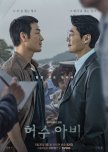
⏩ Park Hae soo delivers an outstanding performance as Tae joo.
The character feels emotionally broken at all times, like someone carrying decades of regret without ever being able to move forward. It’s a quiet performance, but incredibly intense in its smallest details.
⏩ Lee Hee joon is also excellent as Cha Si young. The character could have easily become just “the corrupt politician,” but the actor portrays something far more disturbing: a man who genuinely believes the ends justify any means.
⏩ Kwak Sun young serves as the moral conscience of the story, constantly pushing the characters toward questions no one wants to answer.
The most terrifying aspect is realizing that the injustice is never treated as a simple accident.
The police wanted quick answers. The higher ups wanted stability. The media wanted someone to blame. And someone had to pay the price.
The innocent man who was imprisoned doesn’t feel like an isolated mistake. He feels like the inevitable consequence of an entire system functioning exactly the way it was designed to.
The structure jumping between 1988 and 2019 reinforces this idea constantly: the past never truly disappears. It survives through guilt, trauma, and silence.
Park Joon woo’s direction contributes enormously to the atmosphere.
Everything feels cold, exhausted, and uncomfortable. Even simple scenes carry a constant tension.
There’s also an interesting contrast between the two timelines:
1988 feels chaotic and suffocating. 2019 feels quiet, but haunted.
As if no one ever truly managed to move on.
This is not an easy drama to watch.
It’s slow at times, emotionally heavy, and completely uninterested in offering comfort to the audience.
But that’s exactly why it works so well.More than a crime thriller, the series is about collective guilt, institutional violence, and the human cost of turning justice into spectacle.
And when it ends, the feeling it leaves behind isn’t satisfaction.
It’s emptiness.
Fun fact: during the real investigation, the police placed scarecrows at the crime scenes with notes threatening the killer if he didn’t turn himself in. He never did. The scarecrows rotted away. The case remained unsolved for thirty years.
And then there are dramas that understand that was never the most important part of the story.
This one belongs entirely to the second group.
Inspired by the real Hwaseong murders, the series uses a criminal investigation to talk about guilt, abuse of power, and the lives destroyed when a system chooses to protect itself before protecting innocent people.
The result is a dark, emotionally exhausting thriller that’s impossible to forget.
At first, it seems to follow a familiar structure:
a veteran detective, an ambitious prosecutor, and a serial murder case that comes back to haunt everyone decades later.
But it quickly becomes clear that the focus was never just about finding the culprit.
The story follows Tae joo, an investigator still trapped by the mistakes of the past as he revisits a case that ruined countless lives. Alongside him is Si young, a prosecutor willing to sacrifice anything to achieve results.What makes it interesting is that neither of them becomes a hero or a villain. Both carry guilt, frustration, and an almost desperate need to justify their own choices.
And that makes everything even heavier.
Much like Memories of Murder, the series is inspired by the Hwaseong murders that took place between 1986 and 1991.
For decades, the case became a symbol of police failure in South Korea. The real criminal was only identified in 2019, and before that, an innocent man spent years in prison after being tortured into confessing to a crime he never committed.
That tragedy becomes the emotional foundation of the entire story.
Because the drama has no interest in turning the killer into a fascinating figure. The focus is on the victims, the families, and the people destroyed by the investigation itself.Comparisons to Memories of Murder are inevitable, but the two works follow very different paths.
Bong Joon ho’s film was created while the case was still unsolved. There’s a constant feeling of helplessness and emptiness throughout it.
This story, however, takes place after the real killer has already been identified.
So the mystery stops being “who did this?” and becomes:
“How many lives were destroyed before the truth finally came out?”
The narrative trades suspense for guilt. Curiosity for pain. And it works incredibly well because of that.
⏩ Park Hae soo delivers an outstanding performance as Tae joo.
The character feels emotionally broken at all times, like someone carrying decades of regret without ever being able to move forward. It’s a quiet performance, but incredibly intense in its smallest details.
⏩ Lee Hee joon is also excellent as Cha Si young. The character could have easily become just “the corrupt politician,” but the actor portrays something far more disturbing: a man who genuinely believes the ends justify any means.
⏩ Kwak Sun young serves as the moral conscience of the story, constantly pushing the characters toward questions no one wants to answer.
The most terrifying aspect is realizing that the injustice is never treated as a simple accident.
The police wanted quick answers. The higher ups wanted stability. The media wanted someone to blame. And someone had to pay the price.
The innocent man who was imprisoned doesn’t feel like an isolated mistake. He feels like the inevitable consequence of an entire system functioning exactly the way it was designed to.
The structure jumping between 1988 and 2019 reinforces this idea constantly: the past never truly disappears. It survives through guilt, trauma, and silence.
Park Joon woo’s direction contributes enormously to the atmosphere.
Everything feels cold, exhausted, and uncomfortable. Even simple scenes carry a constant tension.
There’s also an interesting contrast between the two timelines:
1988 feels chaotic and suffocating. 2019 feels quiet, but haunted.
As if no one ever truly managed to move on.
This is not an easy drama to watch.
It’s slow at times, emotionally heavy, and completely uninterested in offering comfort to the audience.
But that’s exactly why it works so well.More than a crime thriller, the series is about collective guilt, institutional violence, and the human cost of turning justice into spectacle.
And when it ends, the feeling it leaves behind isn’t satisfaction.
It’s emptiness.
Fun fact: during the real investigation, the police placed scarecrows at the crime scenes with notes threatening the killer if he didn’t turn himself in. He never did. The scarecrows rotted away. The case remained unsolved for thirty years.
Was this review helpful to you?


